

In 1938 the town of Nowawes lost its name. The Nazi authorities disliked a Czech word on the map of Brandenburg, and they disliked the reputation of “Red Nowawes,” a town of weavers and factory hands with a strong labor movement. So the town took the name of the wooded hill above the Havel and its imperial palace, Babelsberg, which sounded properly German to the men who chose it. It comes from an old Slavic word for beaver.
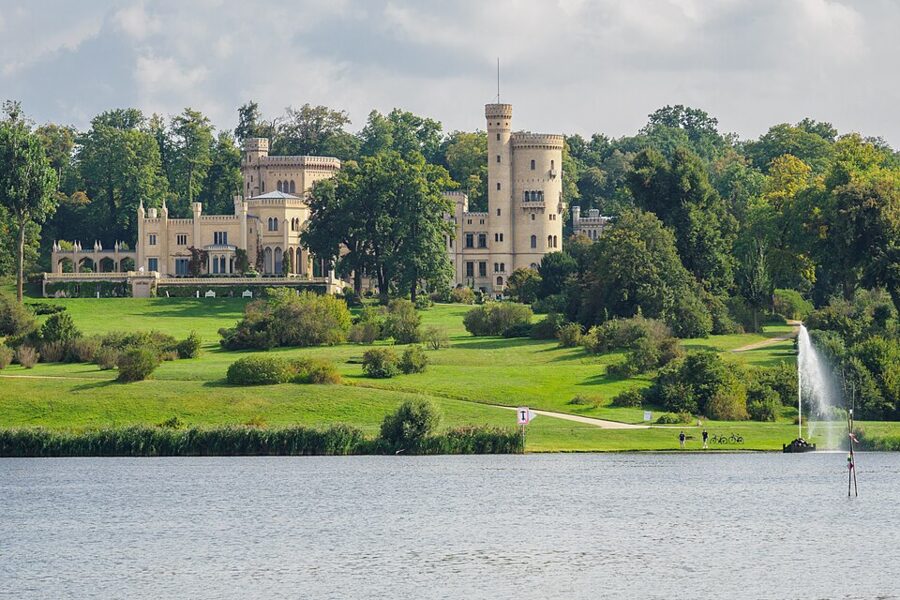

Babelsberg is really four places wearing one name. There is the colony of Bohemian weavers that Frederick the Great (Friedrich II) laid out in 1751, and the landscape park and Gothic Revival palace built from 1833 for the future Emperor William I (Wilhelm I). There is the villa colony on the Griebnitzsee where Truman and Churchill slept in 1945, and beyond the railway, the oldest large film studio in the world, where the cameras first turned in February 1912.
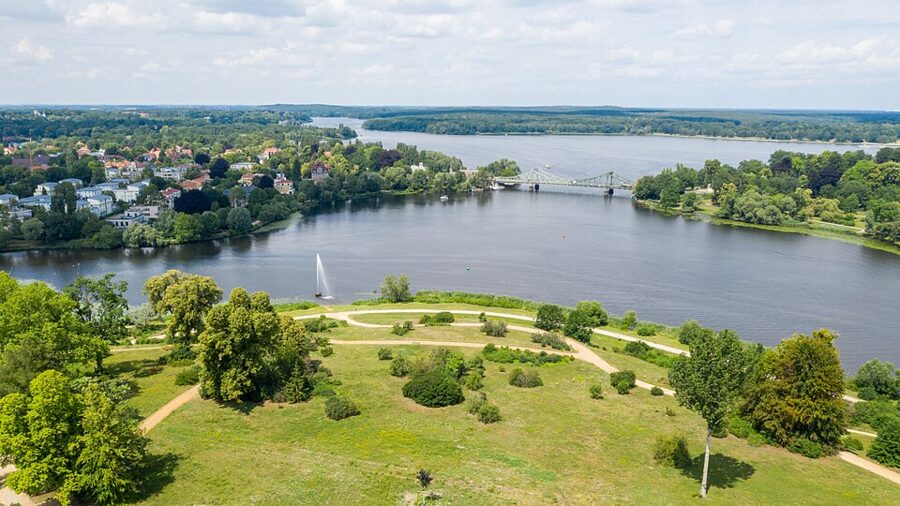

Come for the park; it is the best walk in Potsdam outside the old royal gardens. The palace opens only for special events while its rooms wait for restoration, the studio is a working lot behind a wall, and the weavers’ houses are homes. But walked in the right order, these four places tell a story the grander gardens never do: what happened to all this between 1918 and 1990.

Contents7 parts
- Nowawes, the weavers' colony
- Park Babelsberg: a prince, a princess and two gardeners
- Babelsberg Palace, a cottage that grew into Windsor
- The Wall at the bottom of the garden
- The studios: from a glass house to the Hunger Games
- Neubabelsberg and the summer of 1945
- Getting there, and how I'd spend the day
Nowawes, the weavers’ colony
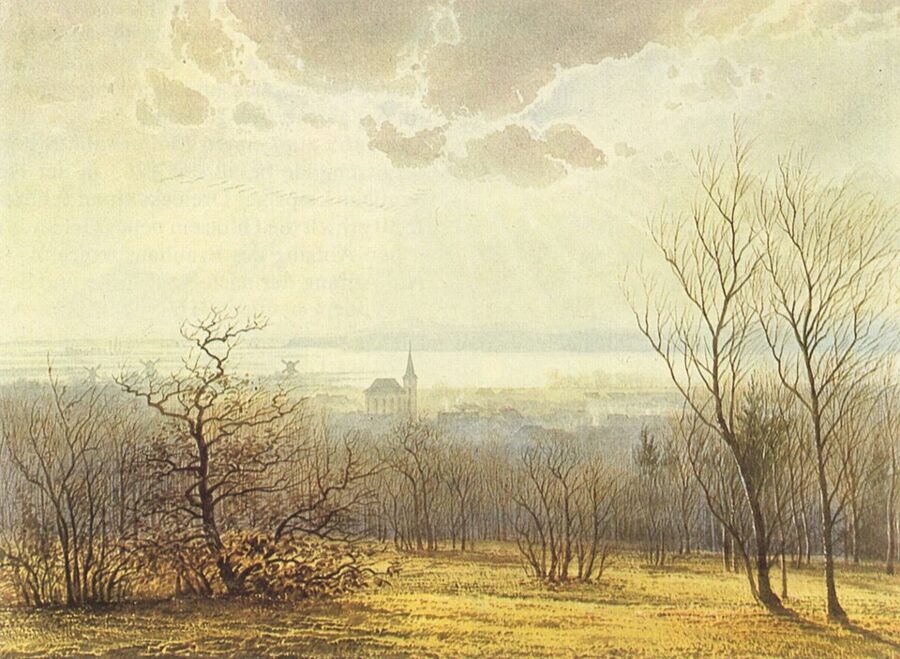
On October 7, 1750, Frederick the Great had a call for settlers proclaimed, aimed at Bohemian Protestants fleeing the Counter-Reformation of Maria Theresa. He offered freedom of religion, freedom from taxes and half a house. Building began in 1751 under Colonel Wolf Friedrich von Retzow, next to the old village of Neuendorf, and the Bohemians called their colony Nowawes, their own word for the same thing: the new village.
The plan is a triangle between two royal roads that meet at a sharp angle, with the church in the middle. Andreas Kalesse, writing for the city’s monument office, argues the shape was chosen for its religious meaning. By 1767 there were 210 houses for 420 families and some 1,000 colonists, though many later arrivals were carpenters and masons Frederick needed for his New Palace (Neues Palais).
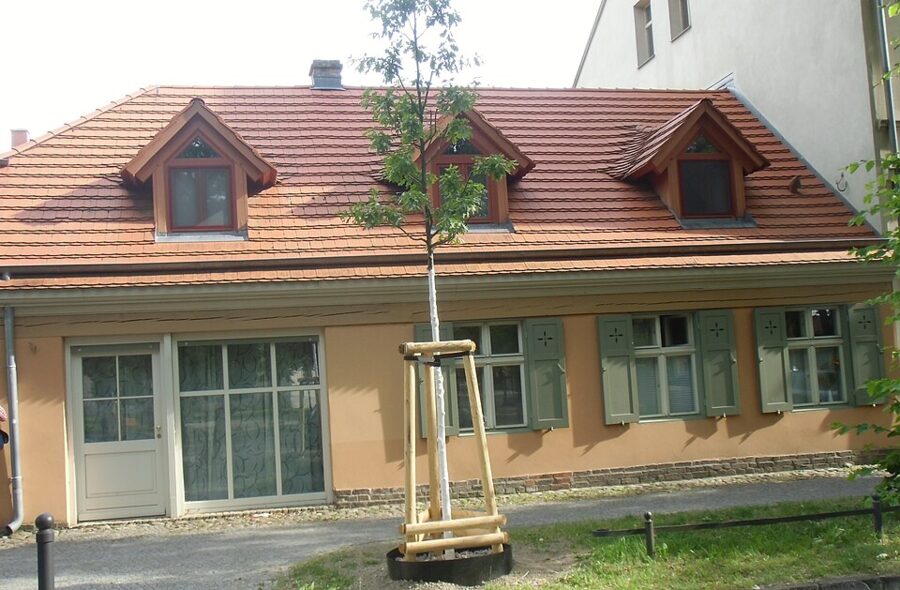

The front room held the loom, the parents slept at the back and the children under the roof. Both families cooked in one windowless kitchen under the stairs, which everyone called the “black kitchen.” Every yard had to have a walnut tree; the family kept the nuts, and the wood went to the rifle factory in Potsdam.
From the 1770s Frederick also ordered white mulberries planted for silkworms, because he hated paying for imported silk. More than 3,000 of them once lined the streets, but within a few years only about 300 were left, and Prussian silk never amounted to much.
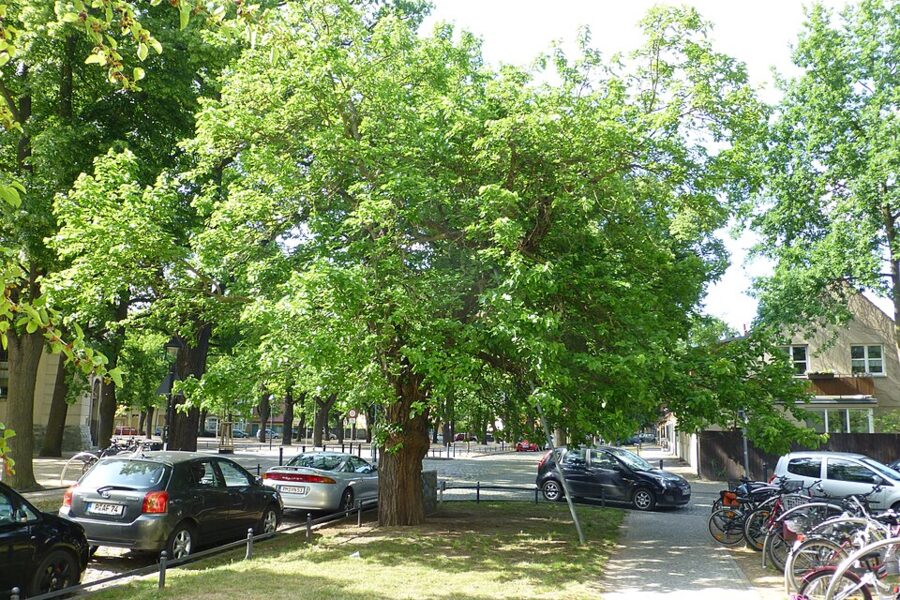

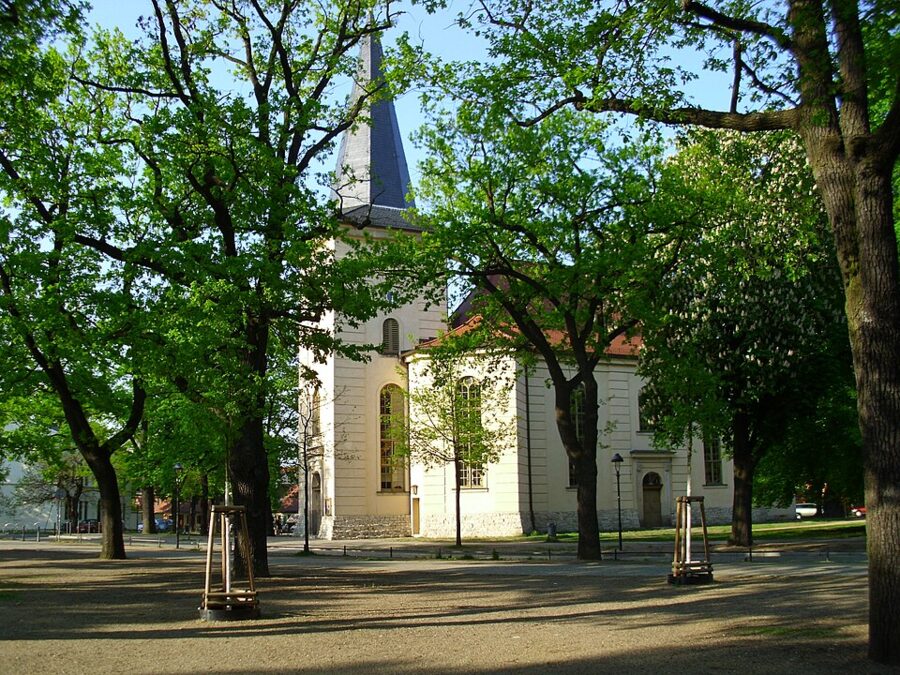
The Weberplatz, a triangular square, surrounds the Friedrichskirche, built in 1752 and 1753 by Jan Boumann, who also built the Dutch Quarter (Holländisches Viertel) in the old town. It is an elongated octagon with a slate-roofed tower and two tiers of galleries. Services alternated between Czech and German at first, and the Czech ones faded out within a few decades.

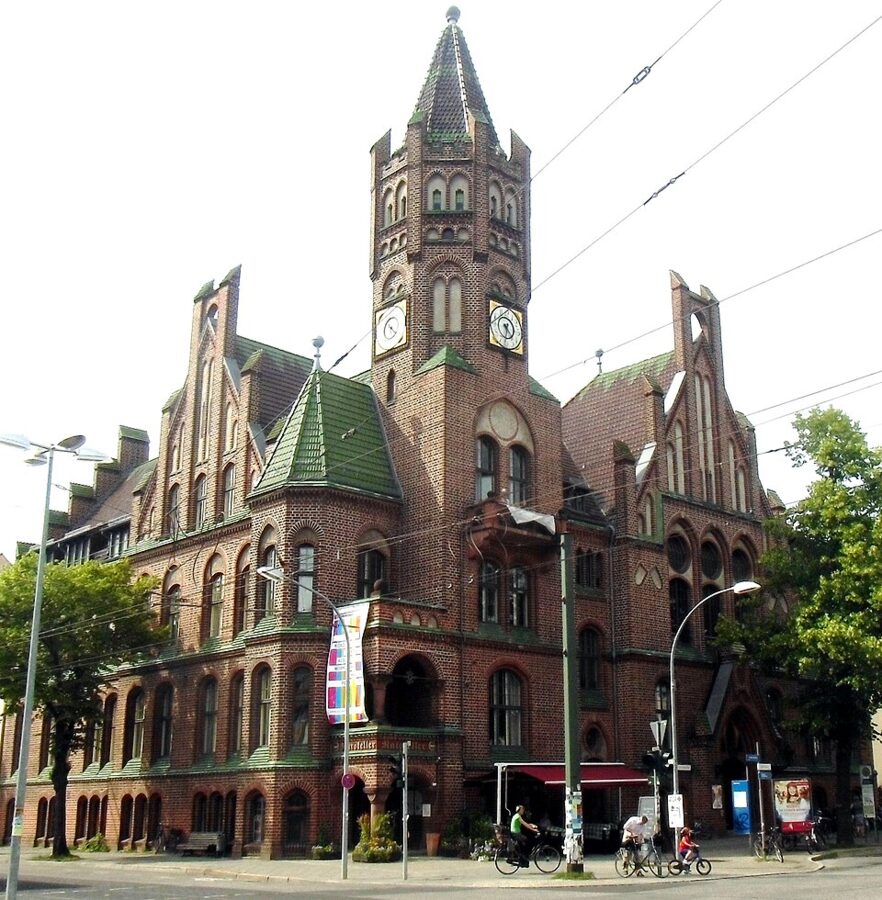
For a century Nowawes stayed poor, and then the factories came: silk thread from 1852, jute, carpets, a locomotive works from 1899, even a shoe factory that sold men’s shoes under the name Puma. In 1911 a film company moved into an empty hall where artificial flowers had been made. Nowawes became a town in 1924, and in 1933 the Nazis forced out its mayor, Walter Rosenthal, because they said his name sounded Jewish. Renamed in 1938, Babelsberg joined Potsdam on April 1, 1939, and is now its largest district.

North of the railway the street names do the explaining: Tuchmacherstraße, Garnstraße, Spindelstraße. About a hundred colonist houses survive, and the one at Karl-Liebknecht-Straße 23, built in 1752, holds the Weberstube Nowawes, a two-room museum with a loom. It is in its winter break and reopens in March 2027, Tuesday to Thursday 14:00–17:00. The Weberplatz has a flea and farmers’ market on weekends and a Bohemian Christmas market on the first two weekends of Advent.
Park Babelsberg: a prince, a princess and two gardeners
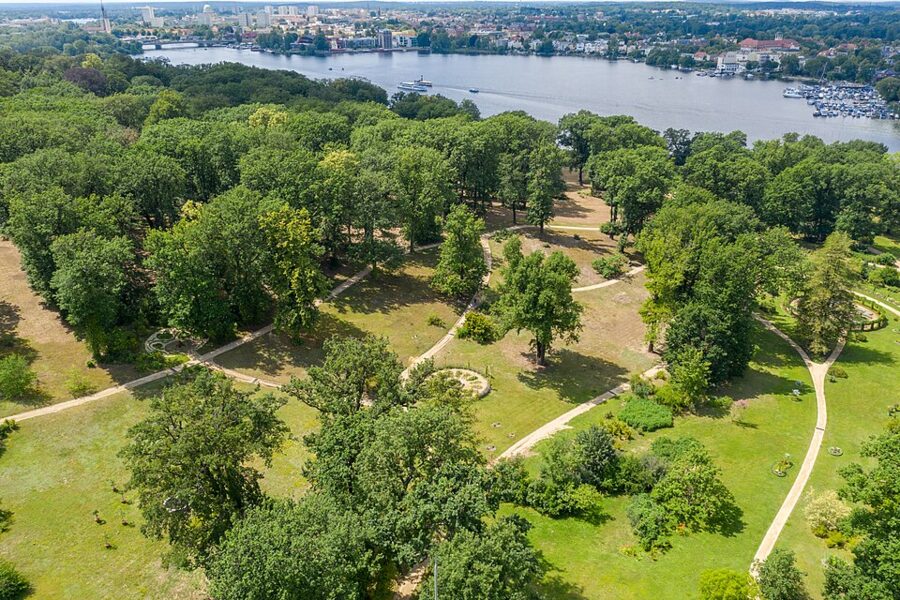

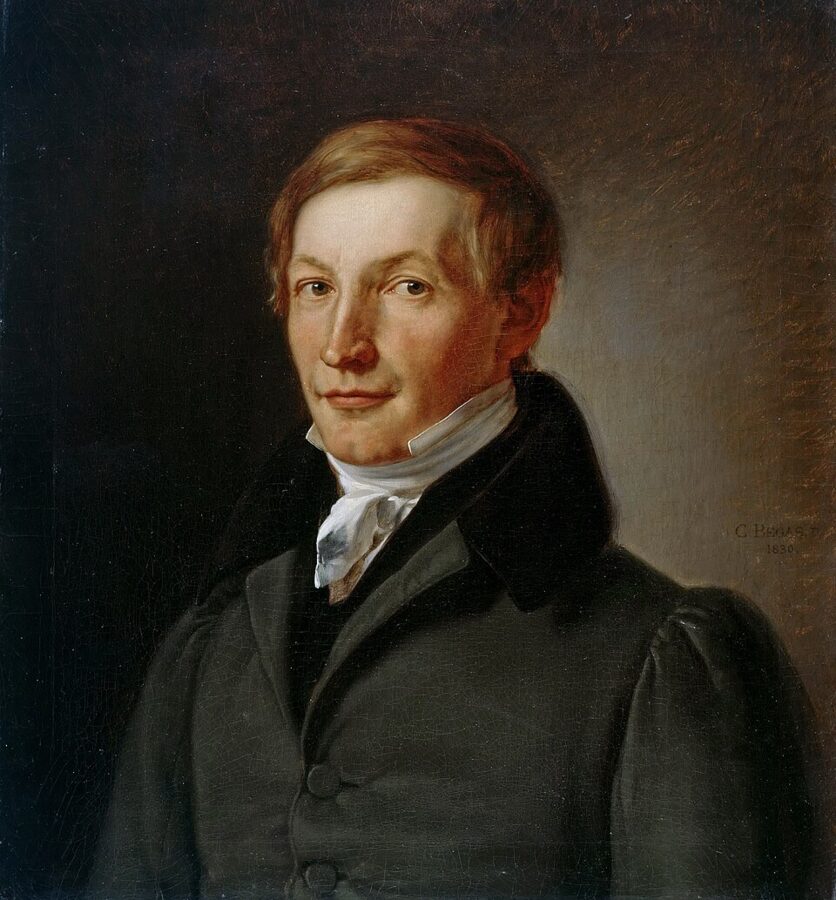
William was a second son, and second sons did not get summer palaces as a matter of course; his brothers already had Charlottenhof and Glienicke. The story goes that at a party at Glienicke in 1826 the garden director Peter Joseph Lenné pointed across the water to a sandy hill and told William to build there. The king gave him the hill on August 3, 1833.
Lenné’s start went badly. Money was short, and a hot summer killed much of what he planted because there was no way to water it. He and William’s wife Augusta also wanted different gardens, and he was dismissed. In 1843 the job went to Prince Hermann von Pückler-Muskau, travel writer and maker of the great park at Muskau, who had prepared the ground with a pamphlet attacking Lenné’s design.
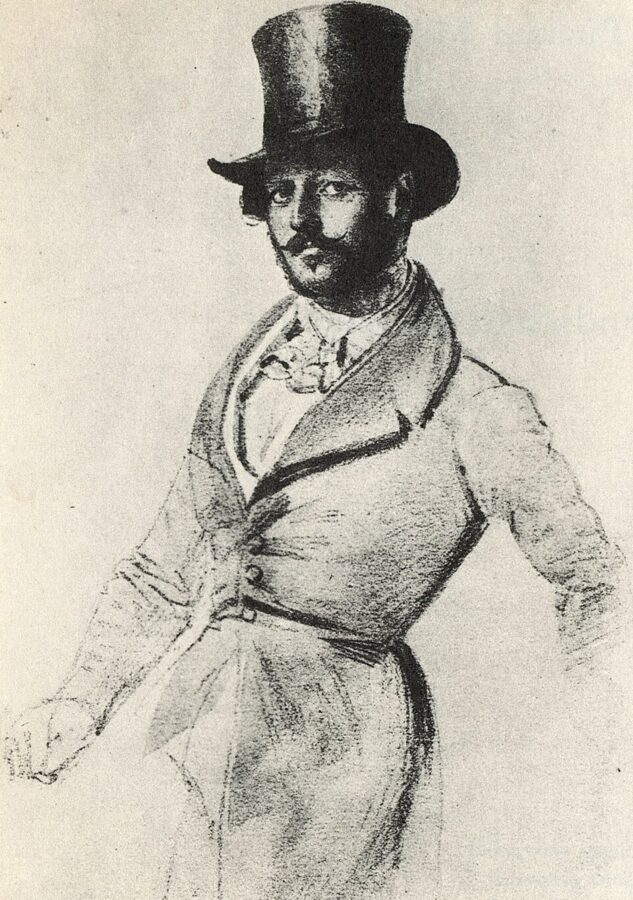
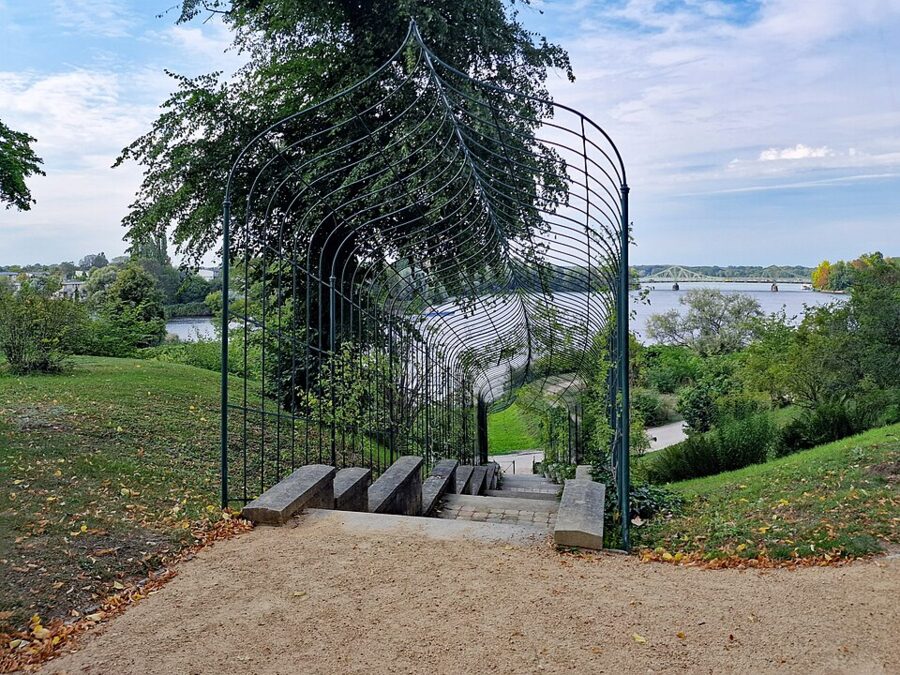
Pückler kept Lenné’s main paths and views and threaded narrower paths between them. Below the palace he made the pleasure ground, with flower beds edged in glazed tiles and fountains; the court gardener nicknamed it the “Pläscherground” for the constant splashing. The park reached its present 124 hectares in 1875.

The water machine
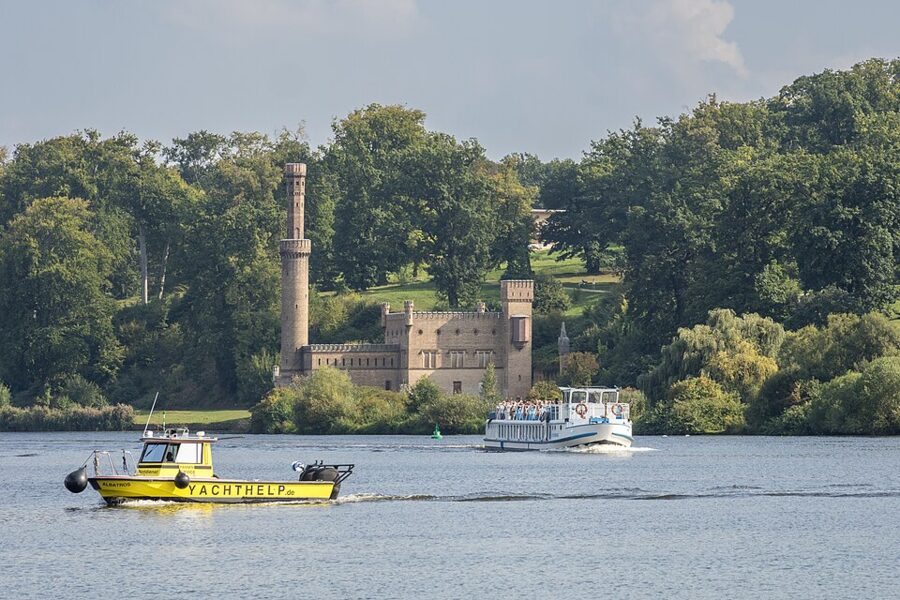

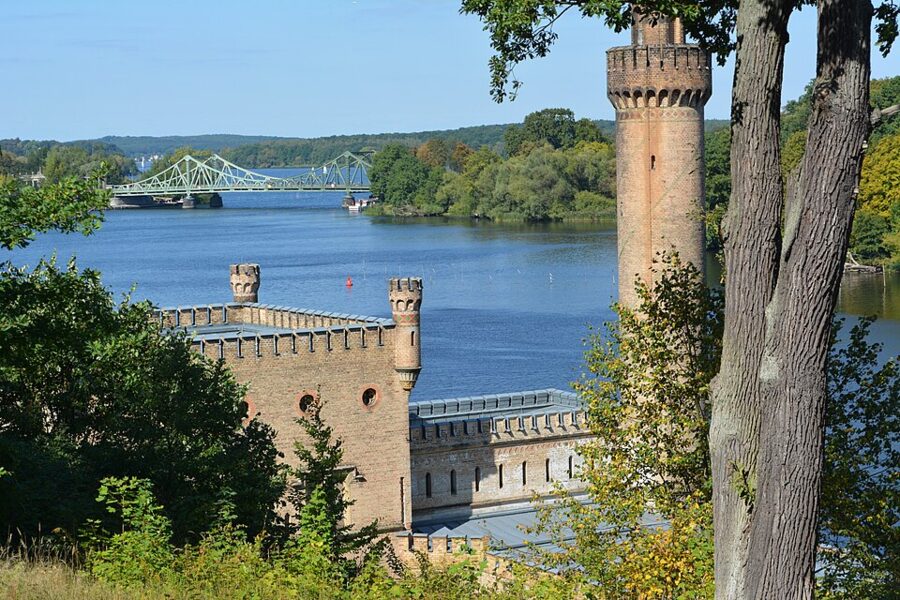
Between 1843 and 1845 Ludwig Persius built a steam engine house on the north shore, dressed in battlements and turrets, to pump Havel water into about 20 kilometers of cast-iron pipes. The first fountains ran in May 1845, and after a bigger engine came in 1865 the park could show off a geyser that shot water 40 meters into the air.
Most of it stopped after the monarchy fell in 1918. From 2013 the foundation restored about 10 kilometers of pipe, the fountains and three waterfalls on the shore, and in 2016 the water came back after nearly a century; the restorers tell the story of Pückler’s water music themselves. The fountains around the palace run from April to October.
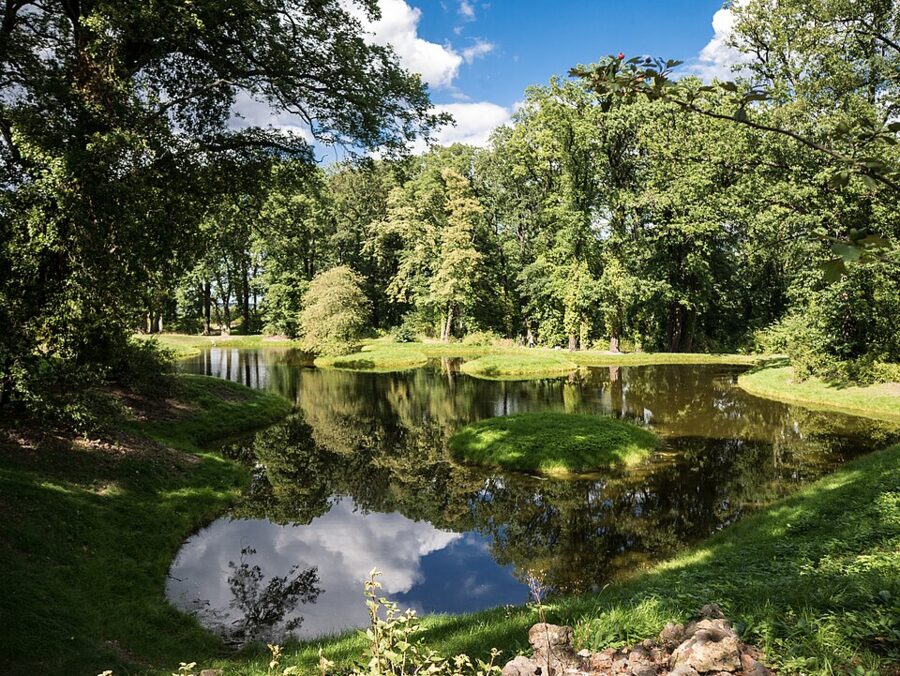
My favorite piece is about 200 meters above the palace: the Black Sea (Schwarzes Meer). It is a small pond, and Pückler shaped its banks and set four islands in it so that from none of the paths can you see it all at once, and your mind fills in a sea.

The park is free and open daily from 08:00 until dusk. Cycling is allowed on some main paths, including the Berlin Wall Trail, and swimming only at the Stadtbad, the public lido on the park’s edge. Until about the end of November 2026 the shore paths between the Havelhaus and the Kleines Schloss are closed for works; the foundation’s park page lists closures and warns that old trees are shedding branches after dry summers.
The small buildings and what they remember
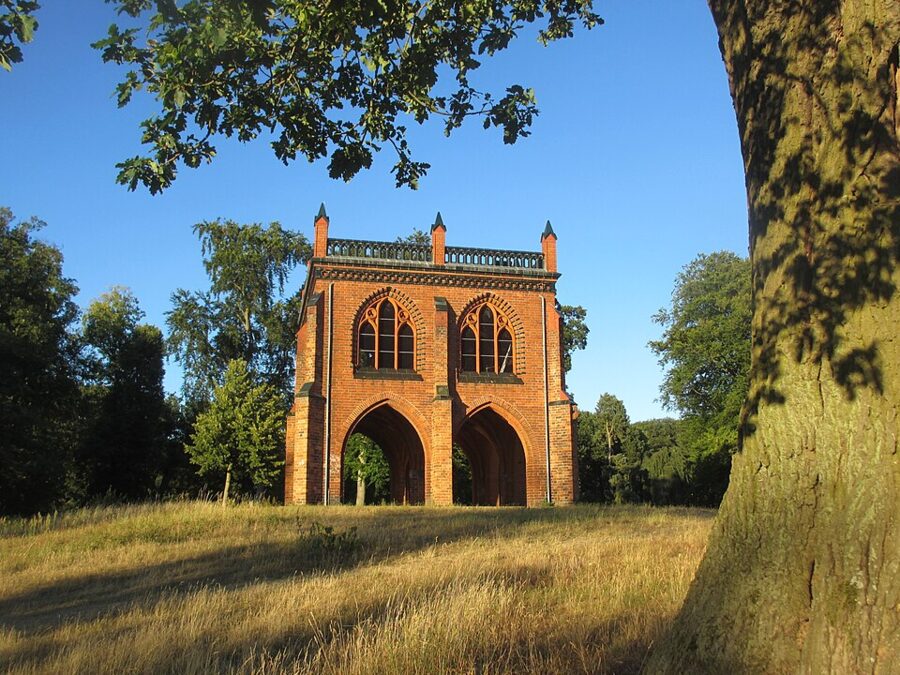

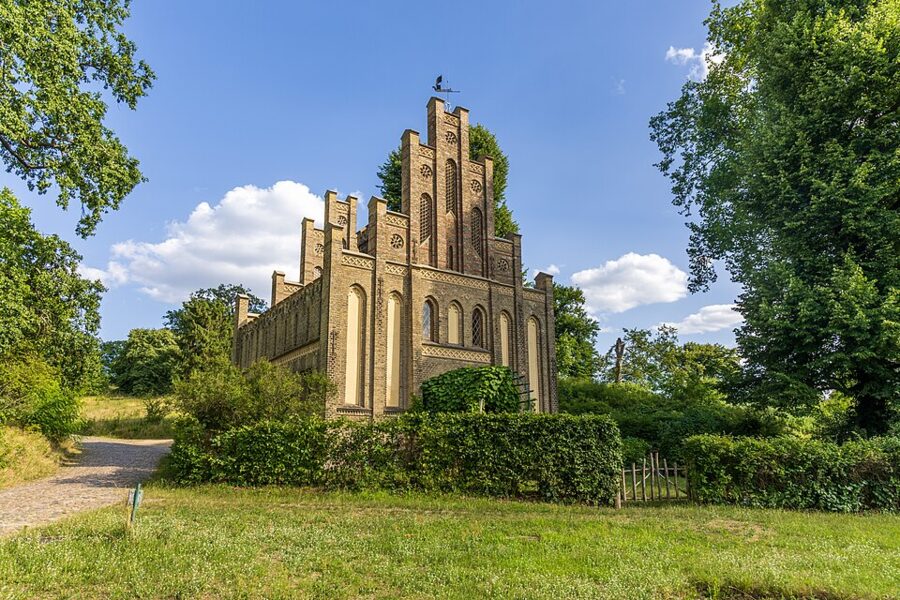
Almost every small structure here celebrates a Prussian victory of William’s time. The Gerichtslaube is the exception, a thirteenth-century Berlin court arcade that Johann Heinrich Strack rebuilt in 1871 from original parts. Look at the carvings around its central pillar: pigs for gluttony, an eagle for greed, an ape for avarice, sirens for hatred.

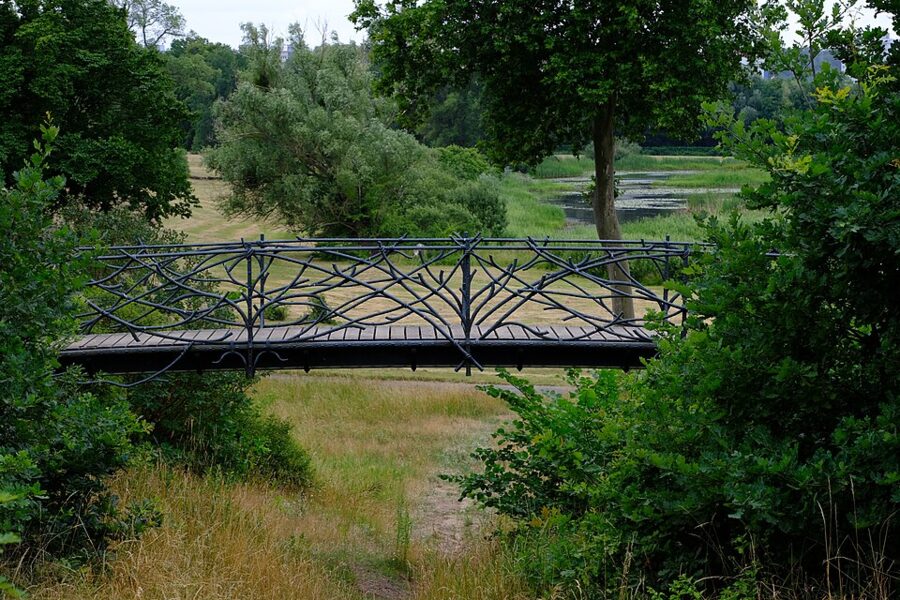

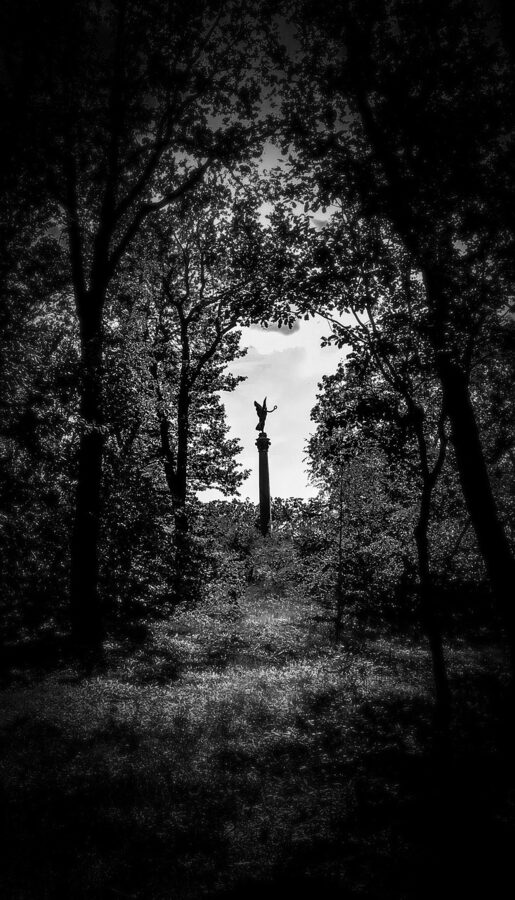
On September 22, 1862 William, now king and locked in a fight with parliament over the army, met Otto von Bismarck here and made him minister-president of Prussia. On the hilltop he later put up a Victory Column for the 1866 war against Austria. Its granite is the leftover piece of the glacial boulder from which the great bowl in front of Berlin’s Altes Museum was cut, and the bronze Victoria follows a model by Christian Daniel Rauch.
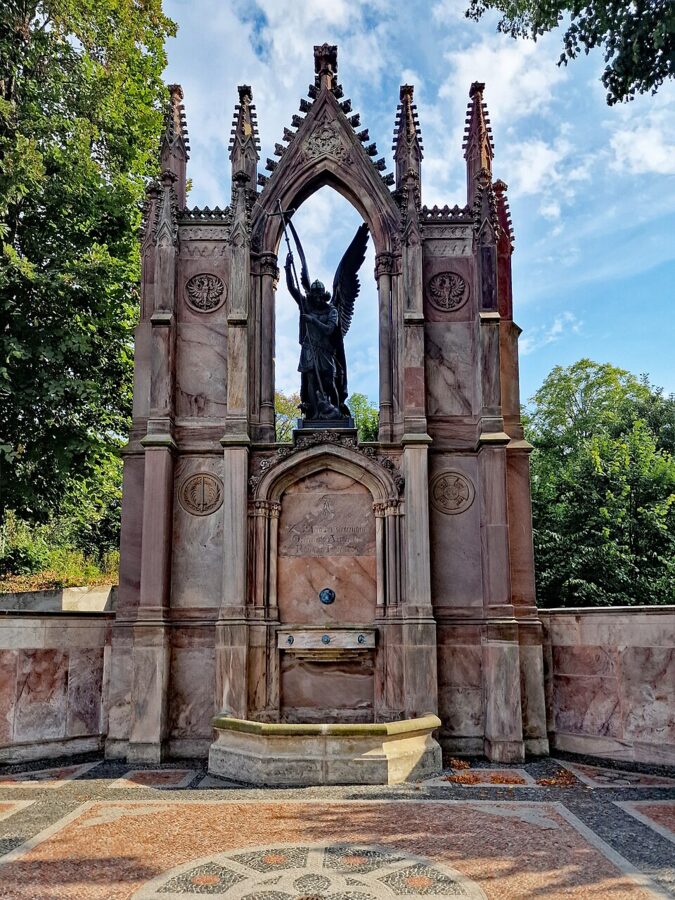
Above the Voltaire Terrace behind the palace stands a Gothic memorial with the Archangel Michael, for Prussian soldiers killed putting down the Baden uprising of 1849. William had commanded them. People called him the “Grapeshot Prince” for his harshness toward the revolutionaries of 1848 and 1849, which is worth remembering among his roses.

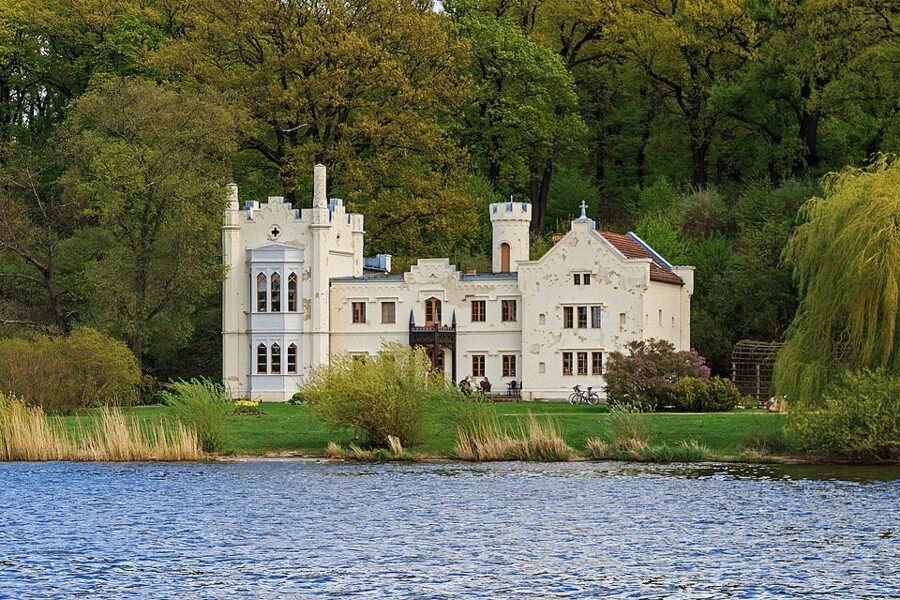
On the shore of the Tiefer See stands the white Kleines Schloss. It began as a Nowawes weaver’s house, was given its Tudor Gothic look in 1841 and 1842 after Augusta’s sketches, and housed her son, the later Emperor Frederick III, in the 1840s. The foundation’s building history credits that phase to Eduard Gebhardt; older accounts name Persius.
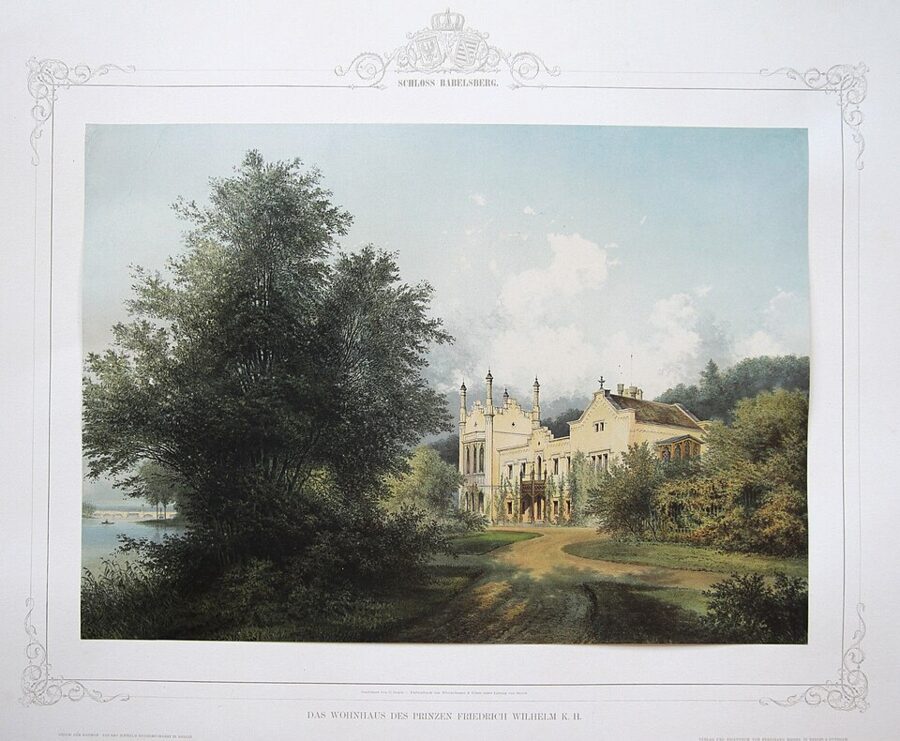
A restaurant opened in it in 1958, closed a few years after the Wall went up nearby, and returned as the café Kleines Schloss in 1980. The foundation finished a €4.8 million restoration in the fall of 2026, and the café is due to reopen in December with a takeaway counter on the rebuilt outdoor stair.

Babelsberg Palace, a cottage that grew into Windsor
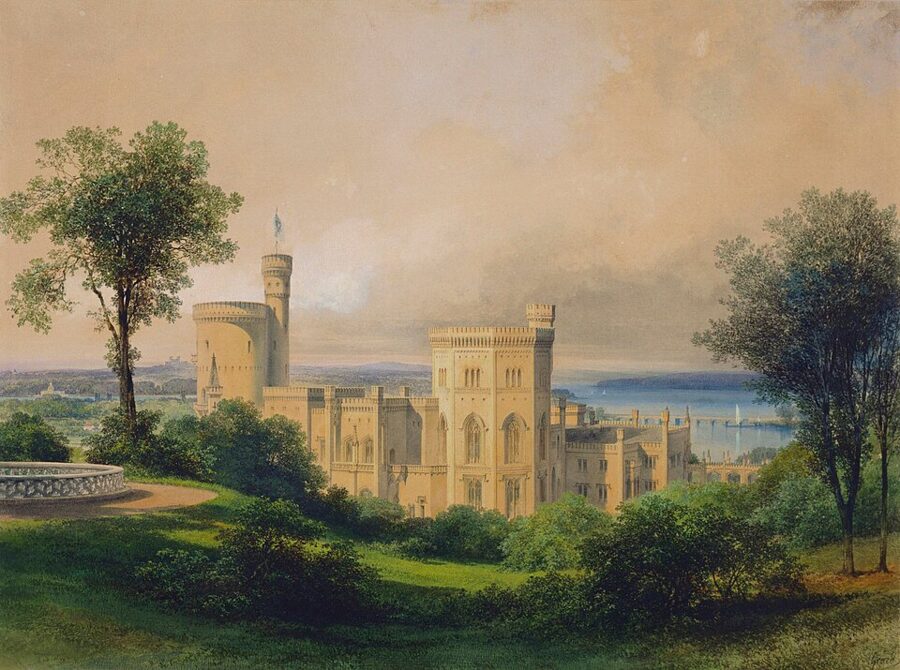
Augusta decided what the house would look like. The crown prince and Karl Friedrich Schinkel had sketched a classical villa, like everything else in Potsdam, but Augusta had seen the castles of the Rhine and admired liberal England, and she wanted Gothic. One of her own drawings follows almost line for line a plate in Robert Lugar’s book of cottage designs.
Schinkel got the job in 1833 and gave her a house modeled on the English country houses that imitated Windsor Castle. Only the front part was built in 1834 and 1835, simplified for lack of money. Schinkel and Augusta argued so much that he skipped the housewarming, and Persius complained that someone had taken an amputation knife to the design. Augusta wrote in 1837 that the little palace was very small but sweet and comfortable.
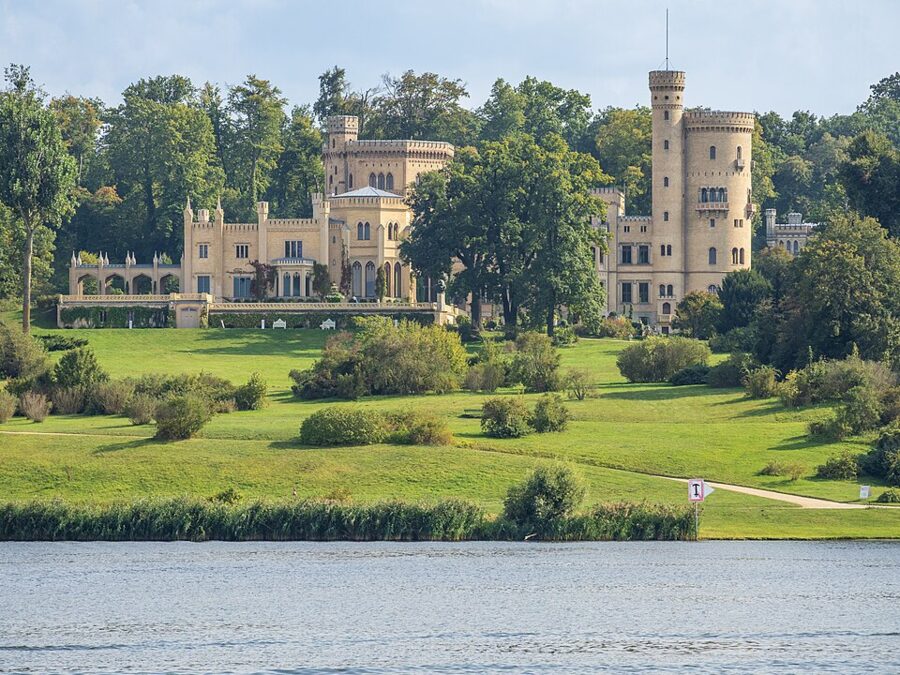

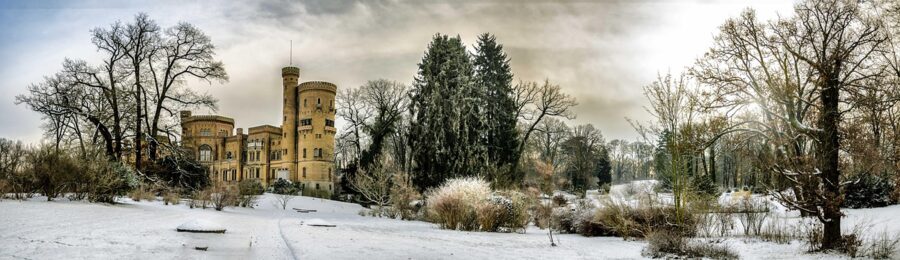
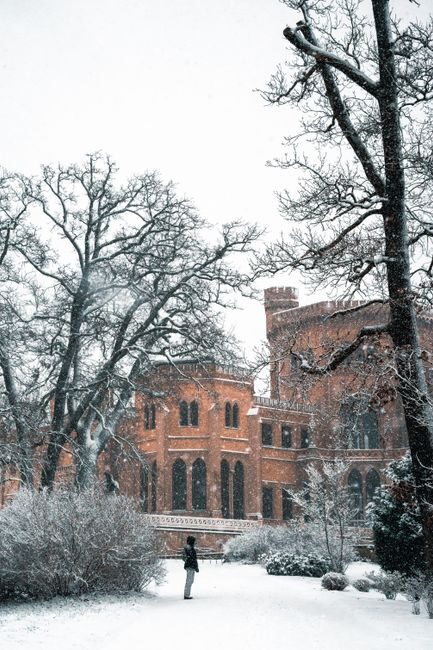
In 1840 William became heir to the throne, and a cottage would no longer do. Persius drew an enlargement around a great octagonal ballroom but died in 1845, so Strack finished it with more towers than planned, and the palace was inaugurated on October 18, 1849. The brick was radical: bare brick was for barns and factories, not palaces, though cornices were made of wood, cement and zinc to save money and the whole house was painted to look like one material.
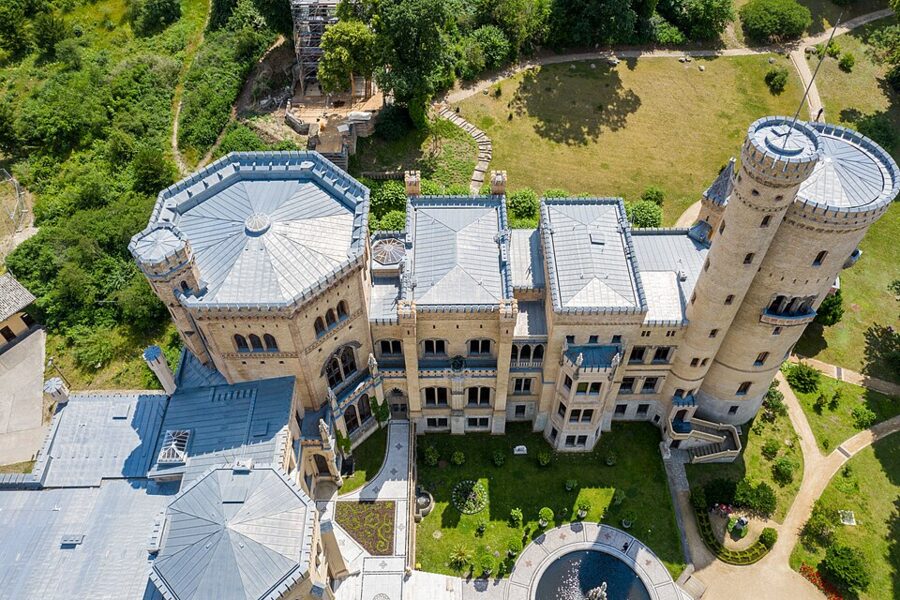

William came nearly every summer and as emperor spent August here. Queen Victoria stayed for two weeks in 1858, and the Anti-Socialist Law was signed here in 1878. He and Augusta disagreed about politics and often wrote to each other from their studies rather than talk it through; her bay window looked down the park to the Tiefer See.
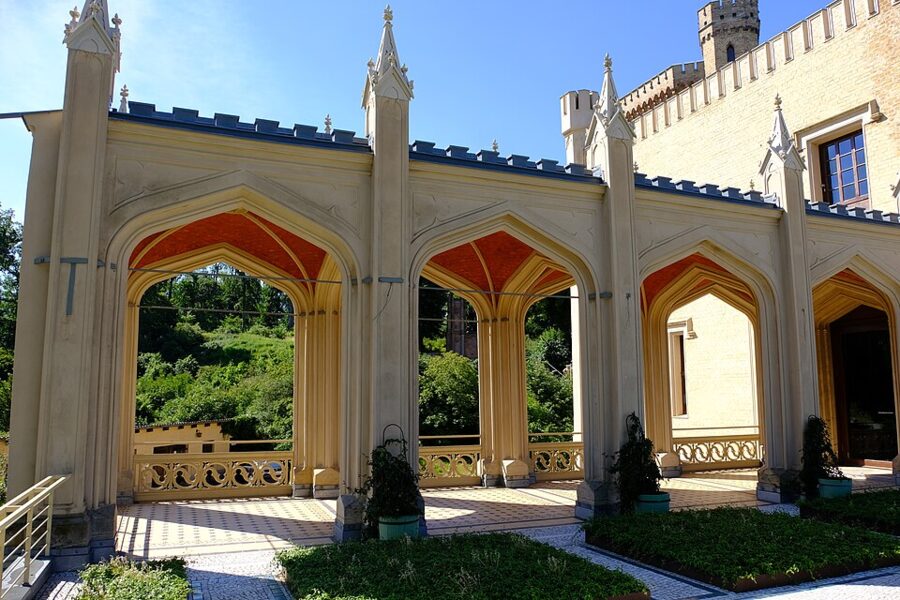

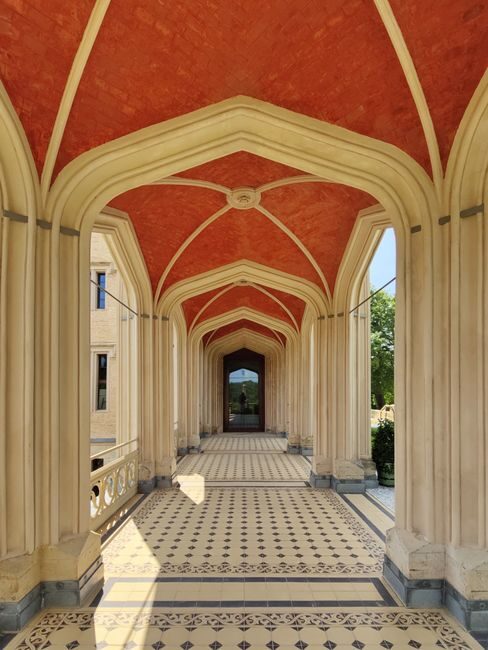
The long closing
After William died in 1888 the palace lost its purpose. It became a museum in 1927, and in 1945 the Red Army took furniture and paintings; about 250 paintings are still counted as lost. From 1949 it trained politically reliable judges, and the builders ripped out every fireplace and dumped them by the house, where archaeologists found them in 2003. The film school that became the Film University moved in in 1954, but left in the early 1960s because the authorities feared students would escape across the Wall from the grounds.
The foundation spent €9.7 million on the facades and terraces from 2013 to 2016, cleaning the blackened bricks with lasers, and the interiors have been under restoration since 2019. For now the palace opens only for special events, such as special tours in 2026, so check before planning around the inside. The terraces are open whenever the park is.
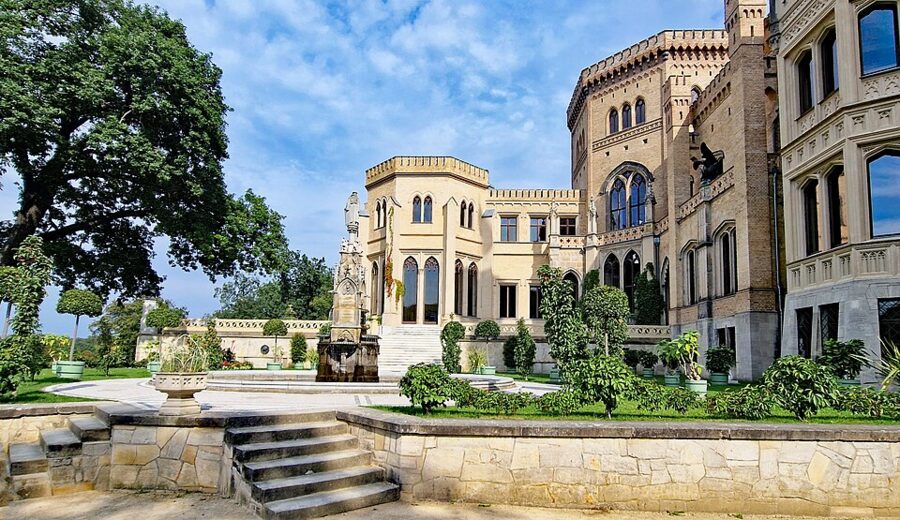

Pückler wanted the five terraces to feel like “palace rooms under the open sky.” The Golden Terrace, in front of Augusta’s bay window, has bed edgings of gilded steel cable like ship’s rope. The Blue Terrace lost its east end in 1908, when work began on enlarging the palace for the crown prince; the emperor balked at the cost, and the crown prince got Cecilienhof in the Neuer Garten instead.
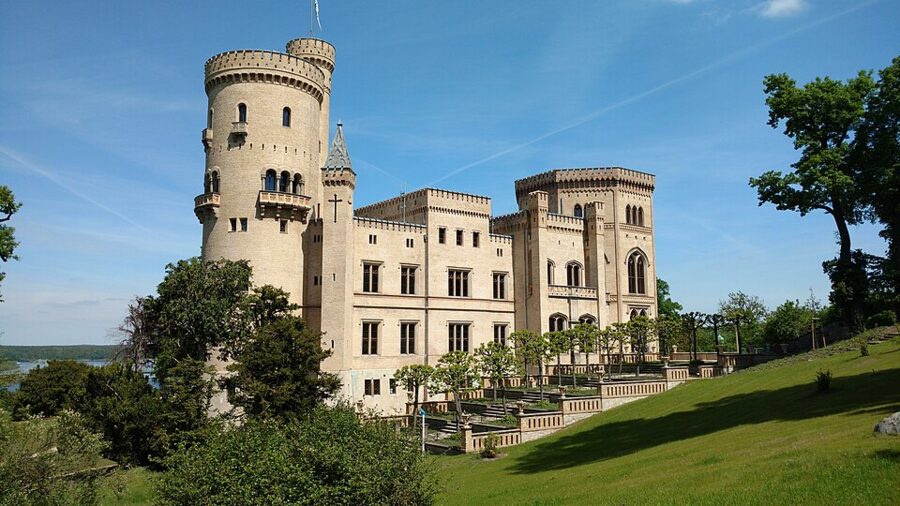

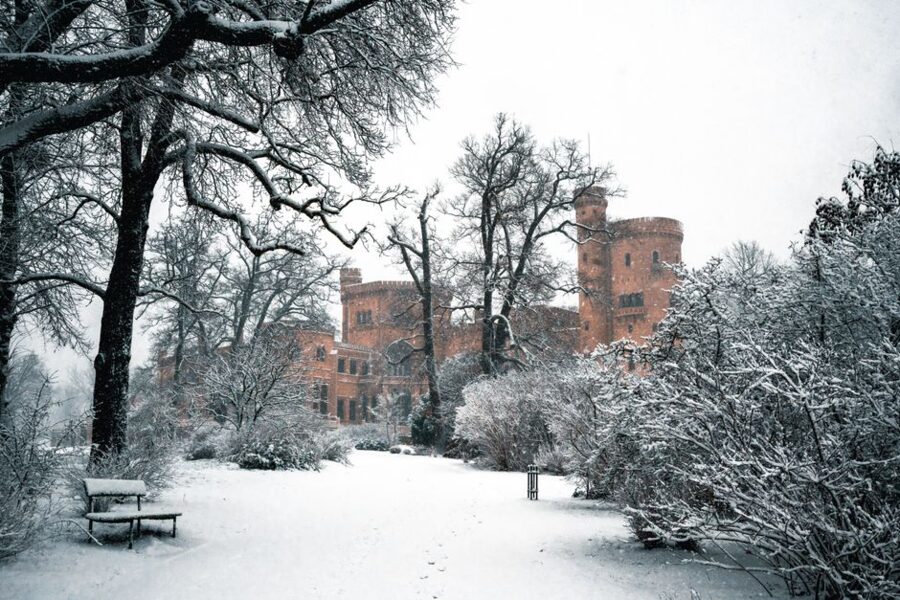
The Flatow Tower
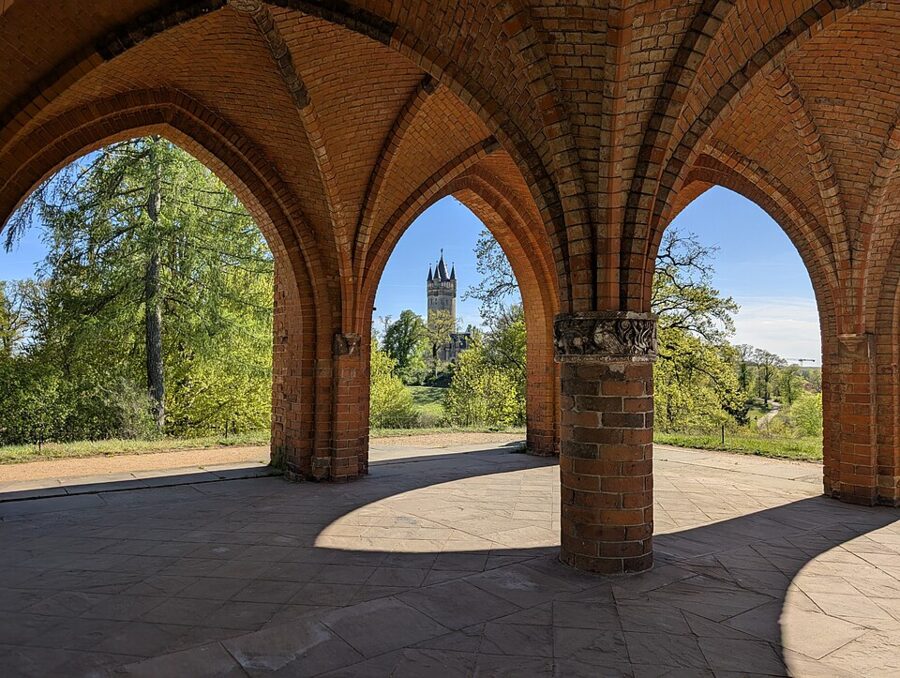

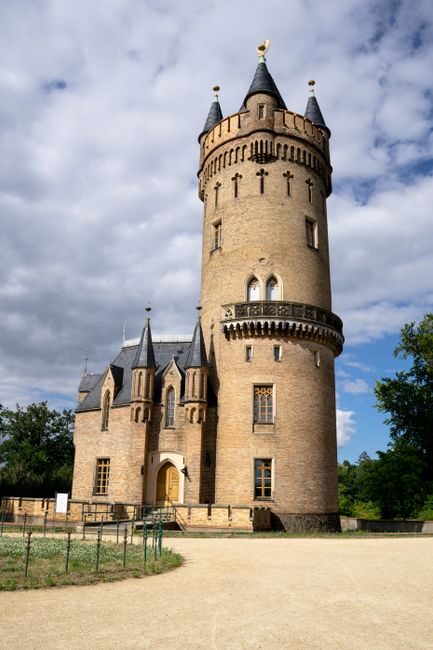
The 46-meter Flatow Tower of 1853 to 1856, designed by Strack, copies the medieval Eschenheim Gate tower in Frankfurt and is named after William’s estate of Flatow in West Prussia, which paid for it. Its drawbridge, its cannons from the fortress of Rastatt and most of its furniture are gone.
The Flatow Tower opens from April to October on Saturdays and Sundays, 10:00–17:30, with last entry 30 minutes before closing, and is shut from November to April. Admission is €5, reduced €4, and the sanssouci+ day ticket covers it. The rooms are not wheelchair accessible. Climb it on a summer weekend: the views open fan-wise as you go up, and the foundation’s free SANSSOUCI app describes what each fifth-floor window looks at.
The Wall at the bottom of the garden
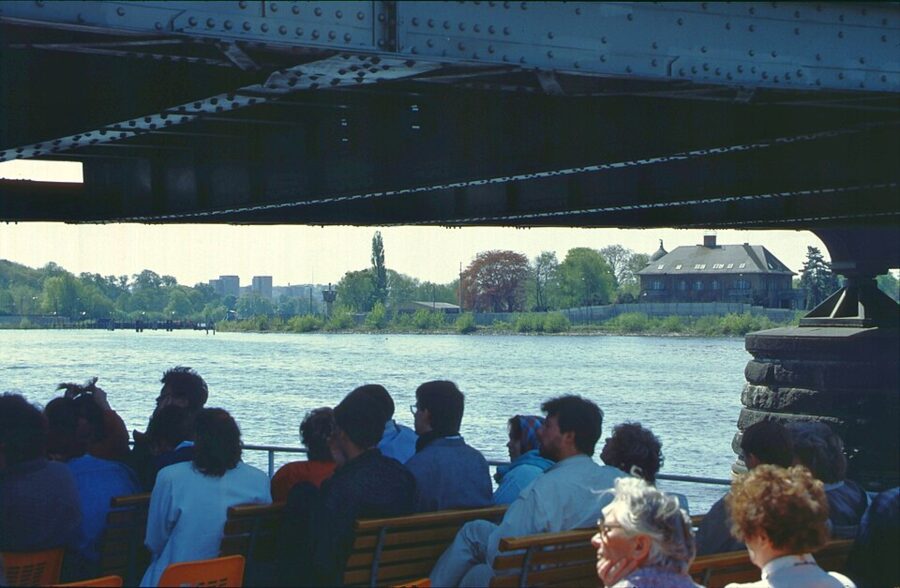

In East German times the park was put to use: a public beach on the Havel, a paramilitary sailing school, dormitories and lecture halls for the academy of state and law, some right behind the palace. In August 1961 the Wall cut off its northern edge. The shore along the Glienicker Lake became a fenced border strip, the lakeside path vanished, and the steam engine house, inside the strip, was left to decay.

The foundation has gathered memories from both sides. One East German recalled walking his family through the empty park in 1980, explaining the border fences to his wife, then being stopped and questioned by a police patrol; it was one reason they later fled. Beeches near the old border still carry carvings, some in Cyrillic, many with the letters “EK,” probably for a border soldier due for discharge, and some trunks still show scars from the wires guard dogs were chained to.
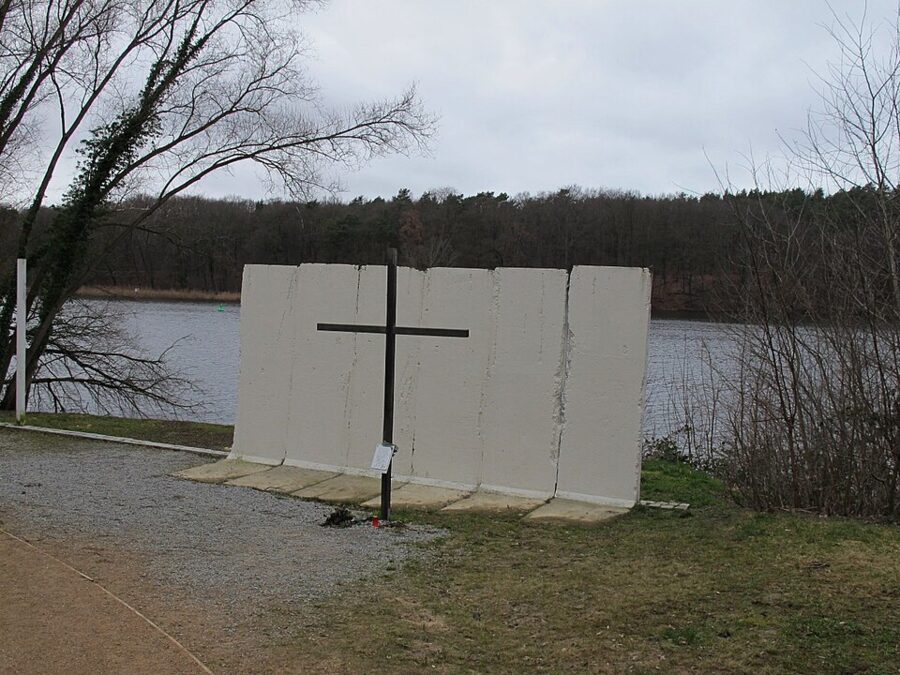

On the Griebnitzsee the border ran through the water, and in 1962 Günter Wiedenhöft drowned trying to swim across. Griebnitzsee station was closed to local passengers from 1961 and became a control point for transit trains. In April 1962 an escape attempt across the station grounds ended in shooting that killed the fugitive Peter Böhme and a border guard, Jörgen Schmidtchen.
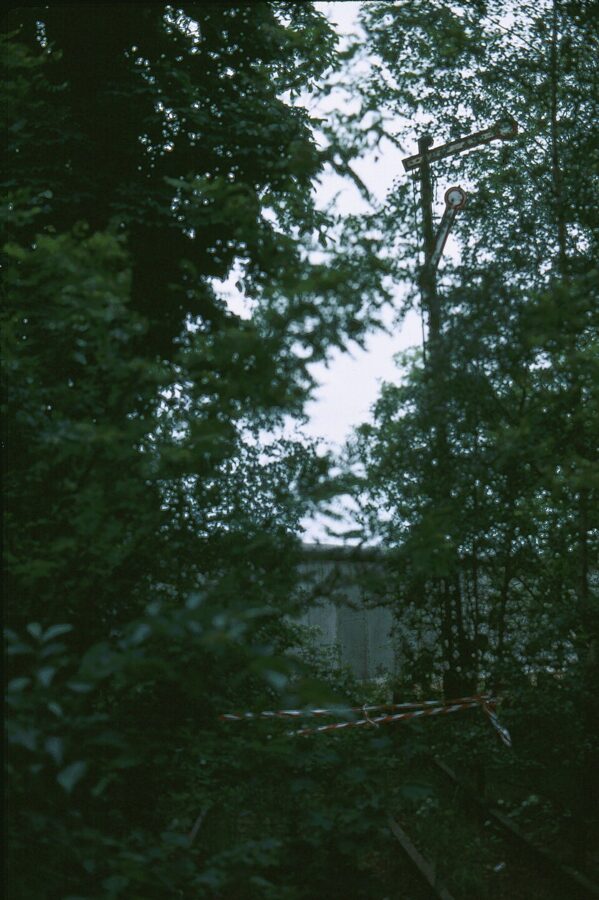

Since 1989 the park has been whole again. The foundation removed most of the GDR buildings, rebuilt the north shore, and the Berlin Wall Trail now runs along it. To hear the story on the spot, the foundation’s free Border Zone game app uses augmented reality and eyewitness accounts, and starts anywhere in the park.
The studios: from a glass house to the Hunger Games
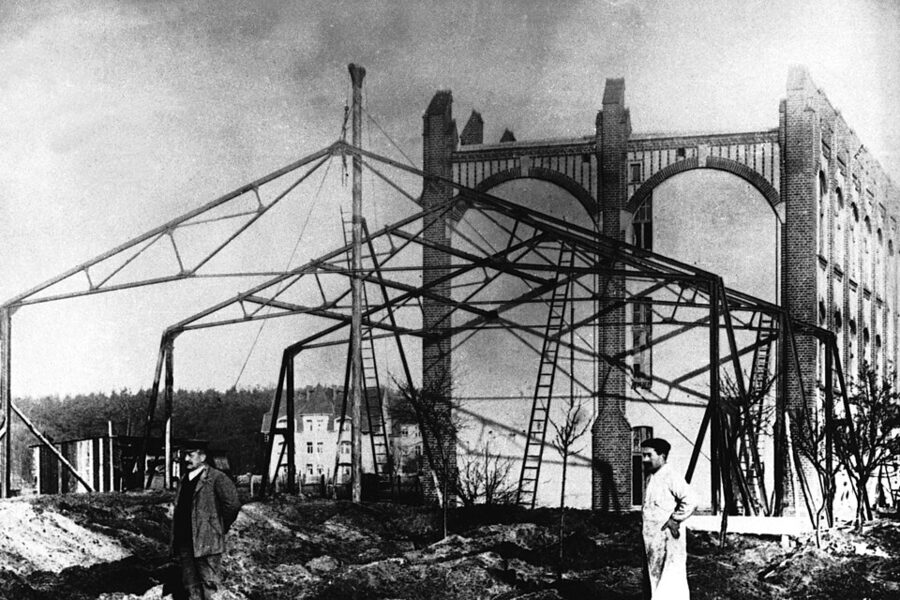
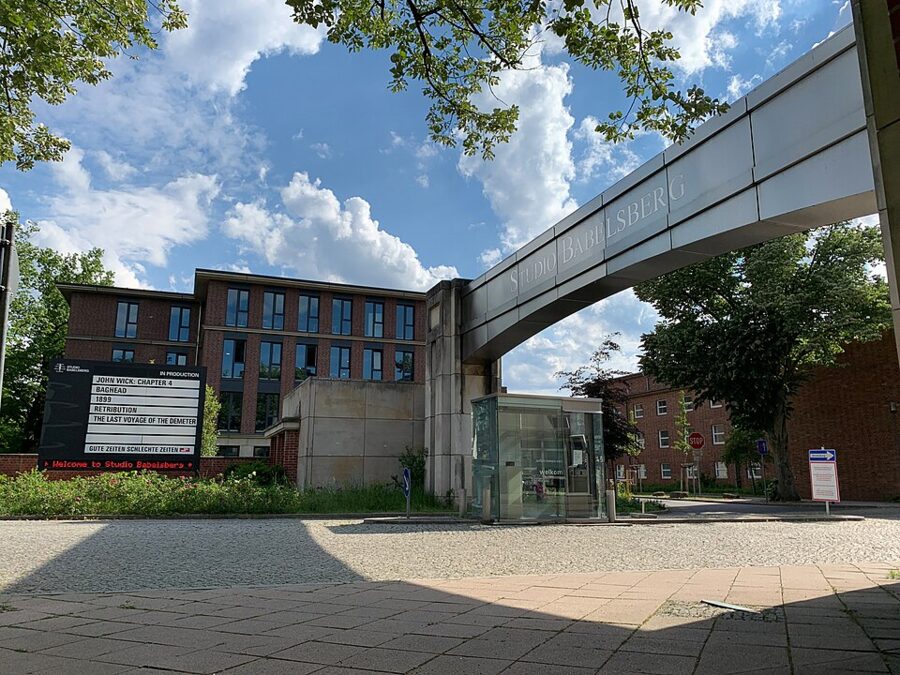
In November 1911 the cameraman Guido Seeber leased land at Nowawes for the Berlin company Deutsche Bioscop, whose hot lamps and flammable celluloid had made the Berlin fire brigade nervous. He built a glass studio beside an old artificial-flower factory, and on February 12, 1912 the Danish director Urban Gad began shooting Der Totentanz there with Asta Nielsen.
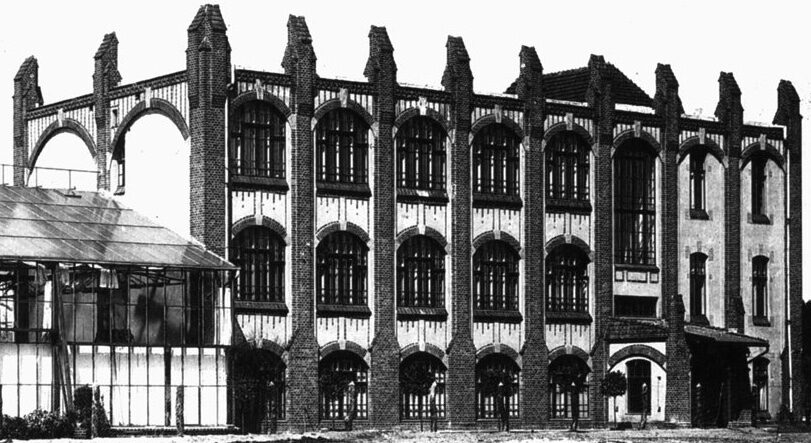
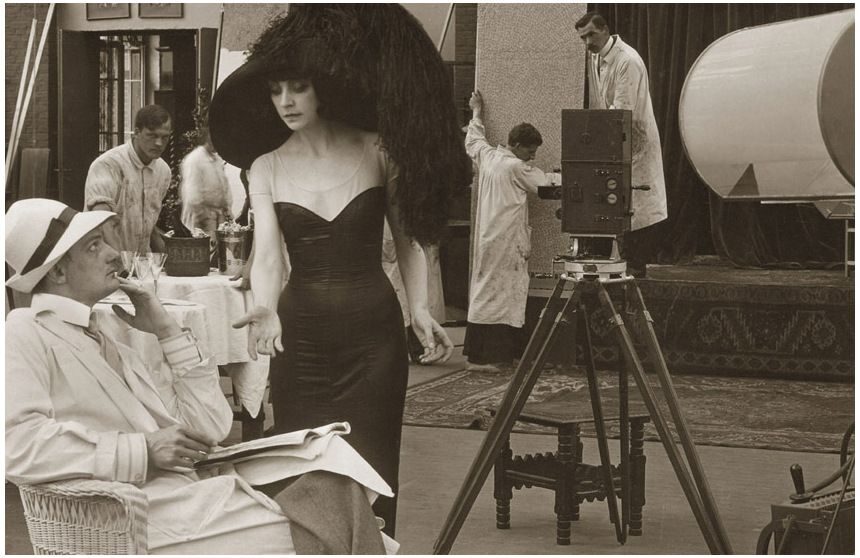
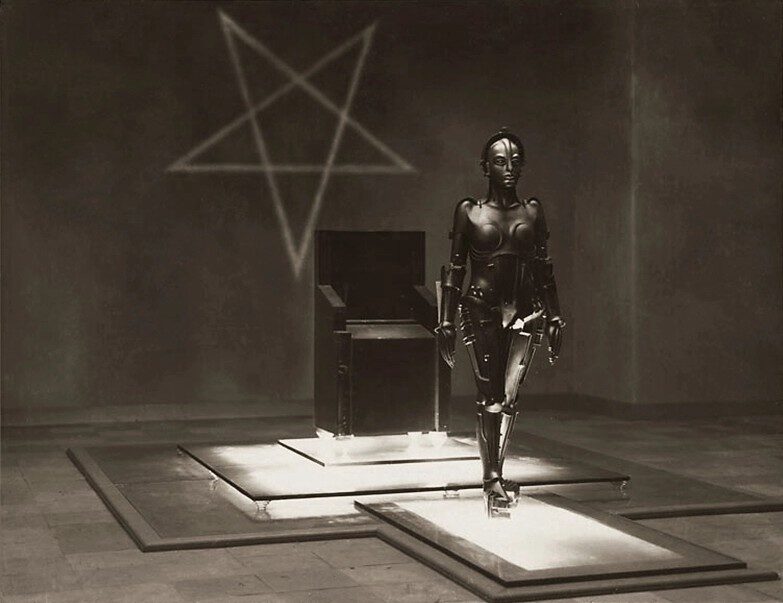
In 1921 the company became part of the giant Ufa. Murnau filmed Der letzte Mann here with a camera that moved freely around the actors, the young Alfred Hitchcock worked on a production in 1924 and 1925, and in 1926 Ufa built Europe’s largest studio hall, 14 meters high, for Fritz Lang’s Metropolis. It is now the Marlene-Dietrich-Halle.
In 1929 the Tonkreuz opened, four sound stages in a cross, and Germany’s first full-length sound film was made there. Josef von Sternberg directed Marlene Dietrich in Der blaue Engel, and Lang invented the countdown for Frau im Mond. After 1933 Lang, Billy Wilder, Sternberg and Dietrich left for Hollywood.
The studio then made propaganda such as Jud Süß alongside comedies such as Die Feuerzangenbowle. Joseph Goebbels ran the industry, and Berliners called him the “Babelsberg Buck” for his affairs with actresses. The Red Army took the lot on April 24, 1945.
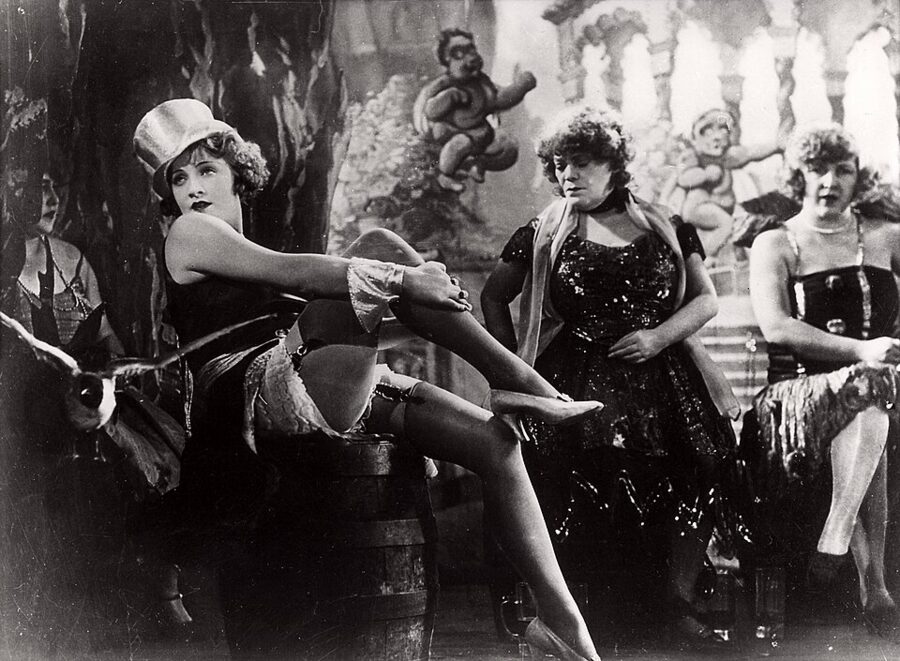
The East German film company DEFA was founded in May 1946 and took over the studios, and in the GDR years made well over 700 feature films here, among them Die Legende von Paul und Paula and Jakob der Lügner of 1974, the only GDR film nominated for an Academy Award. People called the place “Honnywood,” after Erich Honecker.
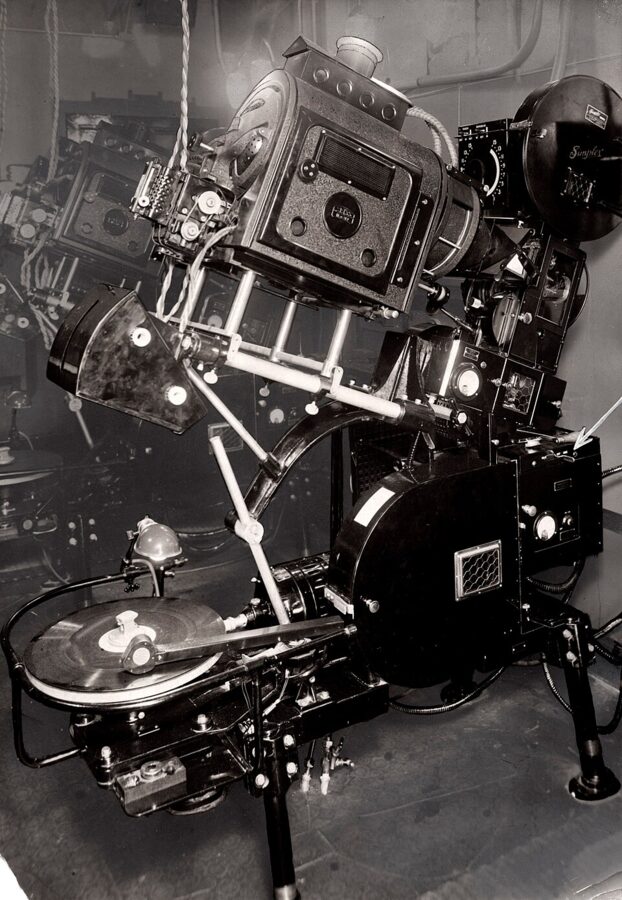
After 1990 the studio was sold to a French group, with Volker Schlöndorff in charge, and international productions arrived: The Pianist, Inglourious Basterds, The Grand Budapest Hotel, Bridge of Spies. Babylon Berlin was the first series shot on the street backlot that opened in 2016, and The Hunger Games: Sunrise on the Reaping, co-produced here, reached cinemas in November 2026. The studio’s own history covers the whole century.
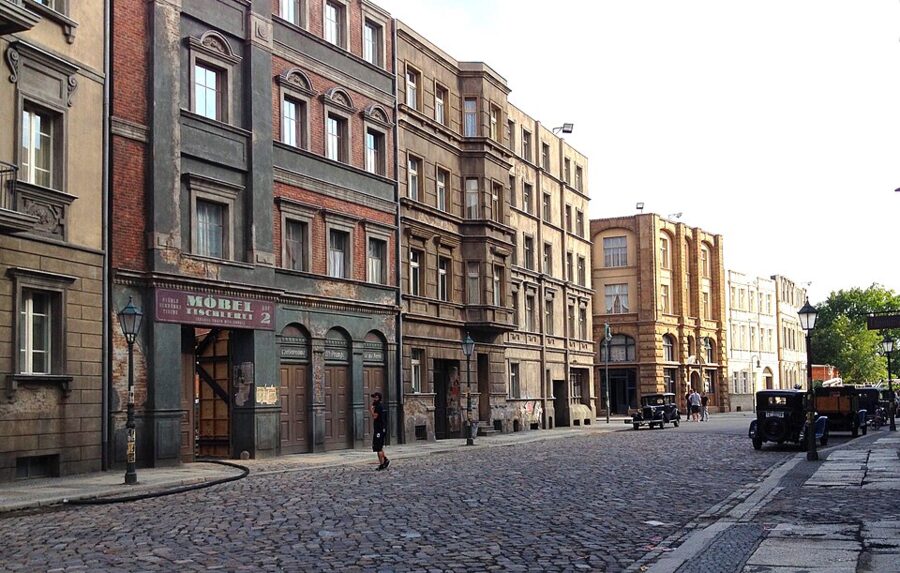

Filmpark Babelsberg
The studio does not take visitors. The visit is Filmpark Babelsberg next door at Großbeerenstraße 200, opened in 1991 on former DEFA ground, with sets, props, live shows and a stunt show. For film history, the guided tour of the Caligari hall runs from the silent era to Hollywood. It is a family theme park first, and I would not cross Berlin for it without children or a soft spot for DEFA’s children’s classics.
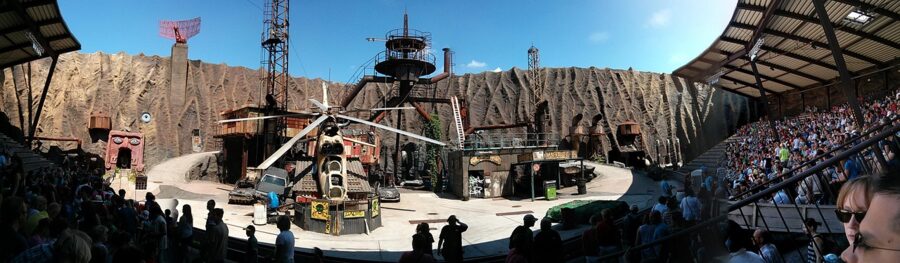
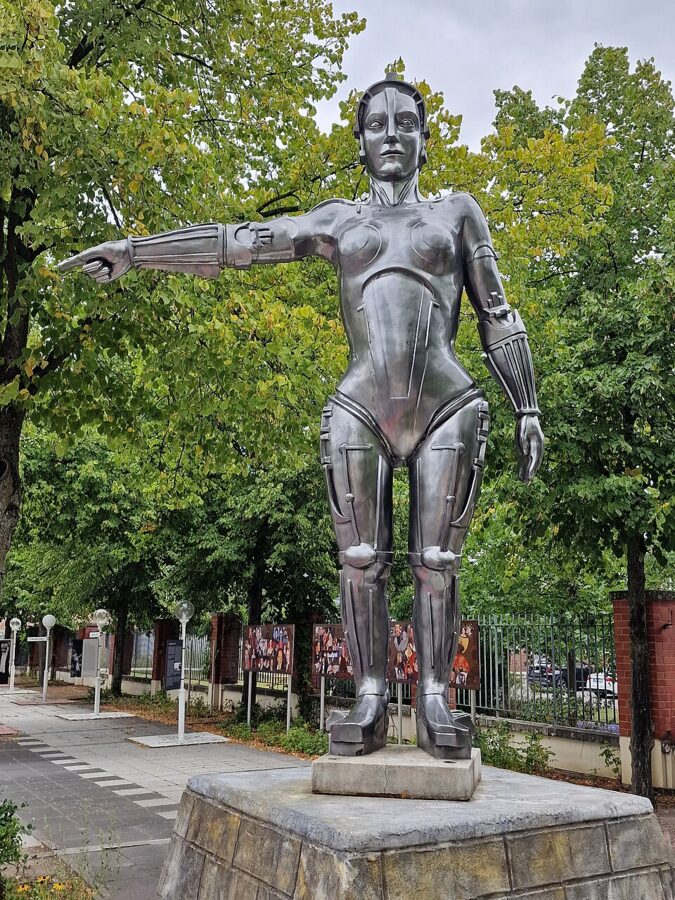

The park opens from spring, around Easter, into early November, with usual hours of 10:00–18:00 in 2026, and is closed for winter now. Filmpark tickets cost €25 for adults and €18 for children aged 4–16 online, €30 and €22 at the gate. From December 6, 2026 to February 6, 2027 the Metropolis Halle next door is an indoor ice rink, €10 for adults for two hours. A later article covers the Filmpark in full.
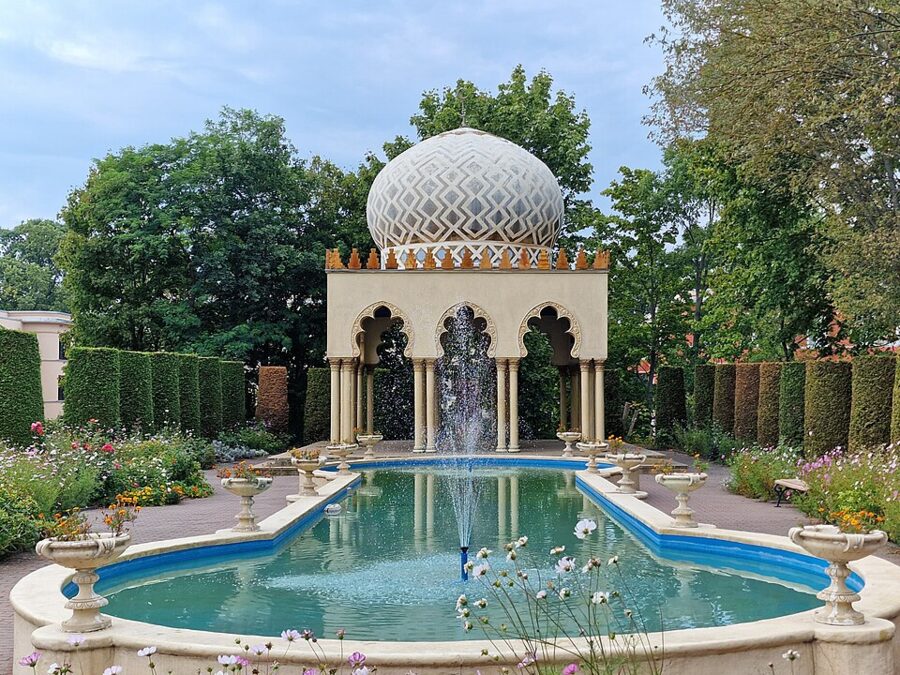

To watch a film rather than visit a set, the Thalia Arthouse cinema at Rudolf-Breitscheid-Straße 50 is the district’s independent picture house, with a bar inside. On November 28, 2026 its European Film Week shows the DEFA classic Der geteilte Himmel.
Neubabelsberg and the summer of 1945
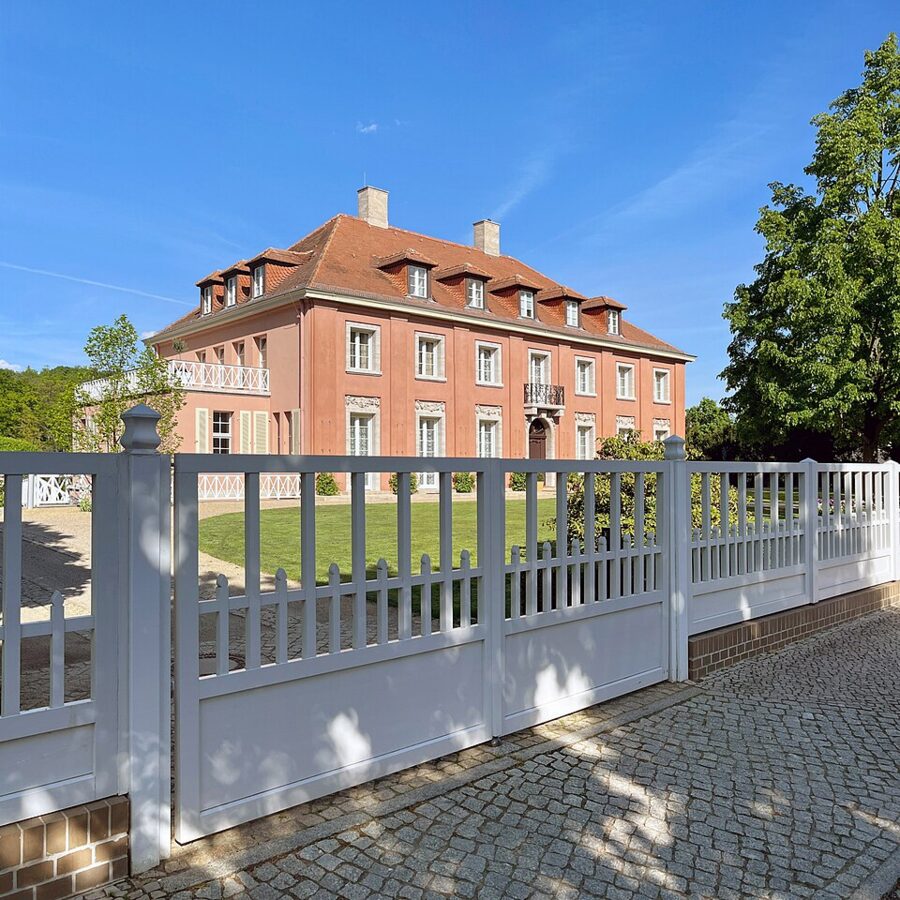

In 1871 the architects Hermann Ende and Wilhelm Böckmann began selling 176 plots for a villa colony between the railway and the Griebnitzsee. The emperor sold forest land for a road from the new station to his palace, the Kaiserstraße, now Karl-Marx-Straße. Bankers, officials and later film stars moved in, and Mies van der Rohe, Hermann Muthesius and Alfred Grenander built houses here.
The century’s worst came to these gates too. On June 30, 1934, the Night of the Long Knives, the SS shot the former chancellor Kurt von Schleicher and his wife at Griebnitzstraße 4. Jewish families were driven out, robbed or deported, and in 1944 the bomb for the July plot against Hitler was assembled in the Tresckow family’s villa.
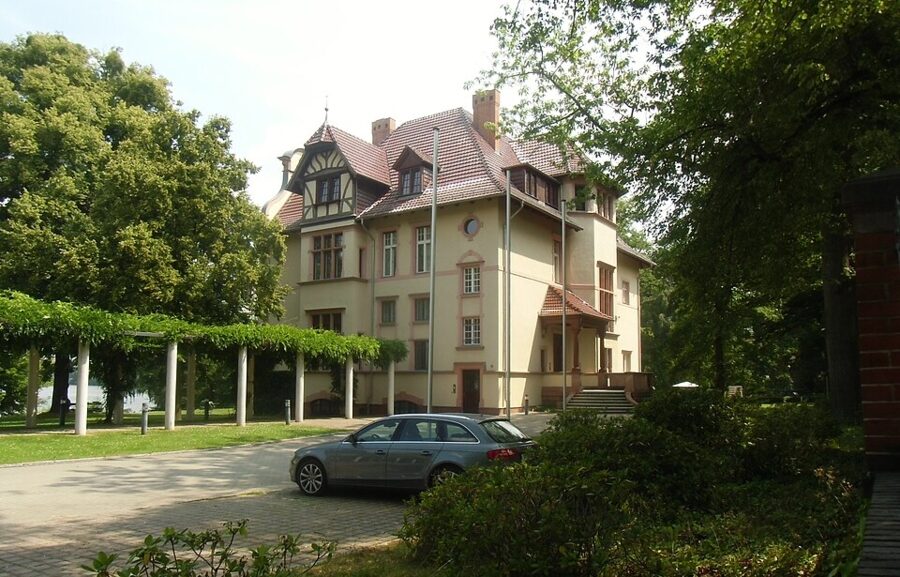

The Soviets had seized villas here in the spring of 1945, giving the family at Karl-Marx-Straße 2 two hours to leave, and in July they housed the delegations to the Potsdam Conference at Cecilienhof. Truman moved into that house on July 15 and stayed 17 days; Stalin called on him there at noon on July 17, and while Truman lived here the order went out to use the atomic bomb against Japan. Churchill stayed at the Villa Urbig on Virchowstraße, Stalin in a Grenander villa nearby.
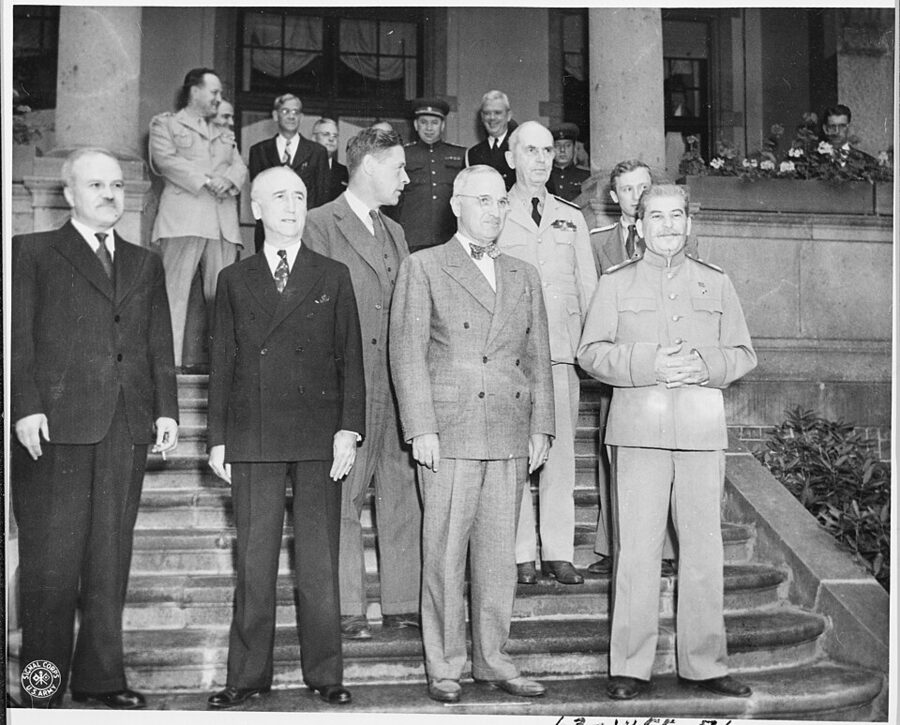
All are private homes or offices, seen from the street. Much of the Griebnitzsee shore in front of them is fenced: walkers used the old border patrol road as a path after 1990, but owners have won a string of court cases against the city’s plans for a public path since 2009, and the city began a third plan in 2021.
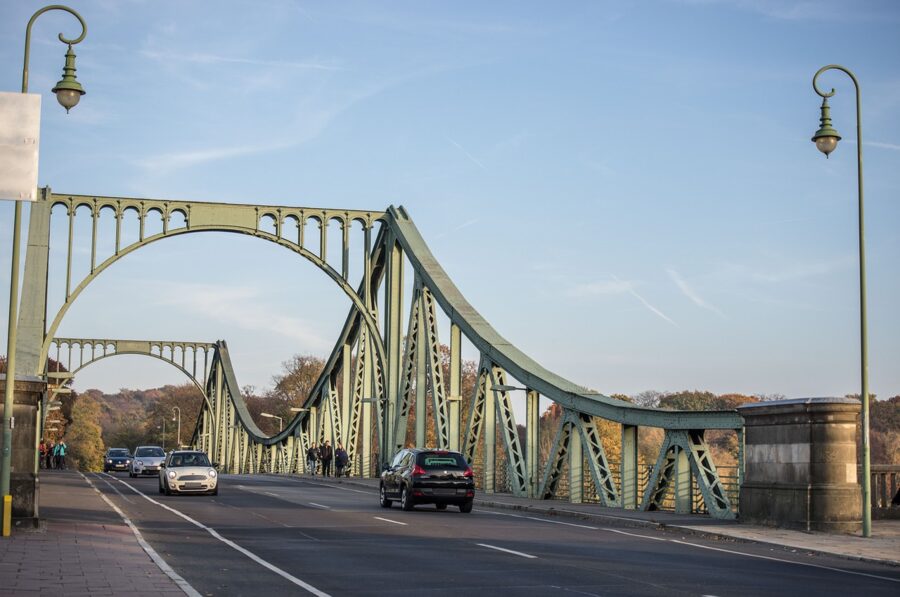
The Glienicke Bridge, across the water from the park, belongs to the same story. Three times, in 1962, 1985 and 1986, the two sides used it to exchange agents and prisoners, the first time trading the Soviet spy Rudolf Abel for the American pilot Francis Gary Powers. Steven Spielberg filmed those scenes for Bridge of Spies on the bridge in 2014, and the production also worked at the Babelsberg studios. The best view is from the shore path below the steam engine house.
Getting there, and how I’d spend the day
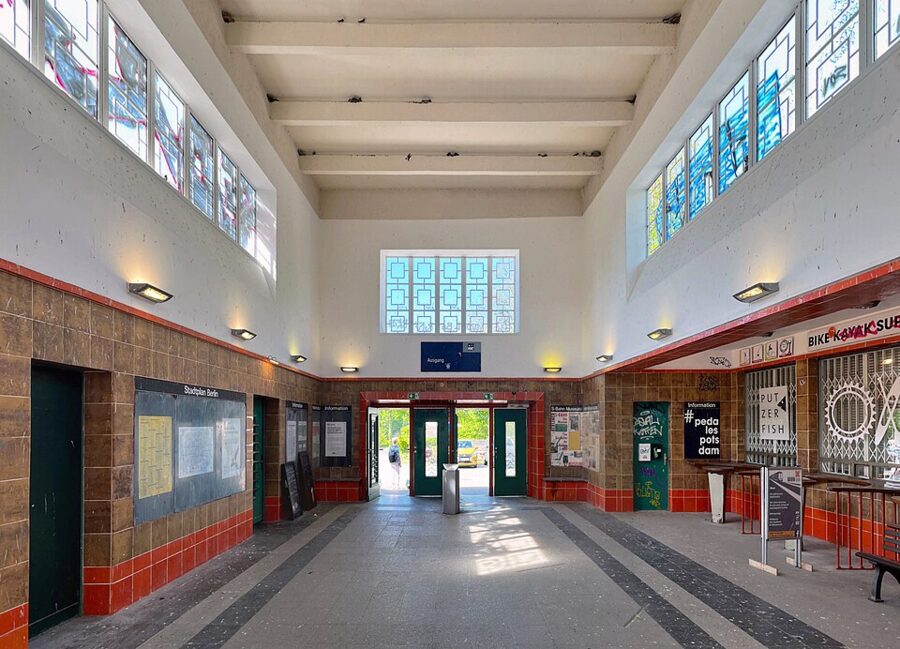

From Berlin take the S-Bahn line S7 toward Potsdam Hauptbahnhof (the main station). Get off at Griebnitzsee for the villas, the Filmpark and the park’s east side, or at Babelsberg for the weavers’ quarter and the south gate. Potsdam is in zone C: a single ticket Berlin ABC is €5.00, a 24-hour ticket Berlin ABC €12.90, and the Deutschlandticket (€63 a month) covers it all. Inside the district, bus 616 runs between the two S-Bahn stations via the Schloss Babelsberg stop, and buses 601 and 690 go to the Filmpark.
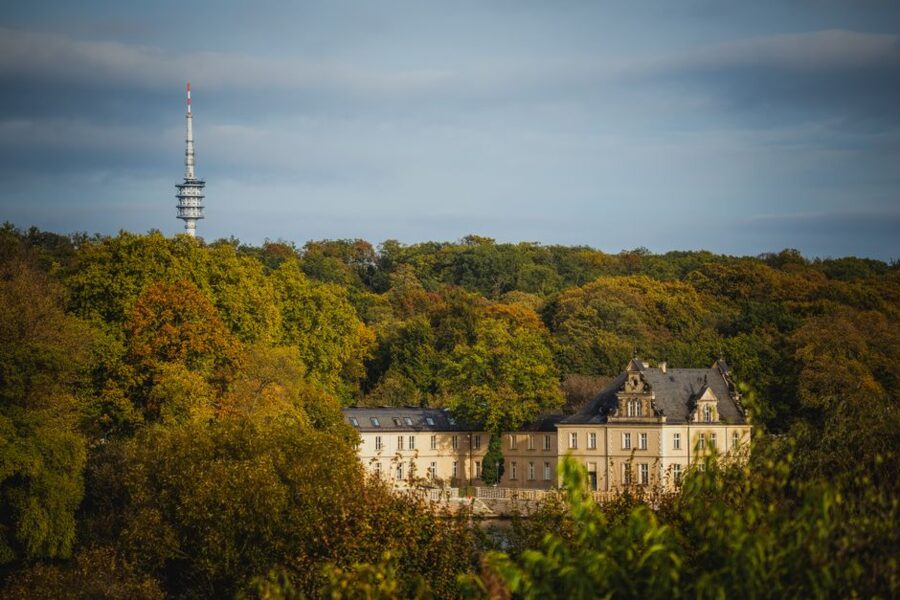
Here is how I’d do it. Take the S7 to Griebnitzsee in the morning and walk up Karl-Marx-Straße, the emperor’s road, past the Truman Villa and into the park. Climb the Flatow Tower on a summer weekend, go down past the Matrosenhaus to the shore and along to the steam engine house and the view of the bridge, then up to the terraces, the Black Sea, the Gerichtslaube and the Victory Column.
The Kleines Schloss café team has been serving coffee, cake and grilled food on weekends from a stand on the meadow beside the palace, and the café in the Kleines Schloss is due to reopen during December 2026; it takes no reservations. Then leave by the south gate and walk about ten minutes to the Weberplatz, where Lukas Café at Karl-Liebknecht-Straße 20 does vegetarian lunches, homemade cake and Portuguese custard tarts, closed Mondays.
In the afternoon, take the children to the Filmpark in season; without them, walk the colony streets and end with a film at the Thalia. If this is your only day in Potsdam, though, put Sanssouci first and save Babelsberg for a second visit. The guide to Potsdam’s palaces will help you choose, and the plan for a day trip from Berlin shows how the pieces fit.
Whichever way you go, you will probably leave the park by the south gate, onto a street called Alt Nowawes. The name the Nazis took away survived on that sign, and later on the tram stop, and in 2006 a local football club revived it. The beavers that named the hill are long gone from this stretch of the Havel, but the weavers’ word is still there.