

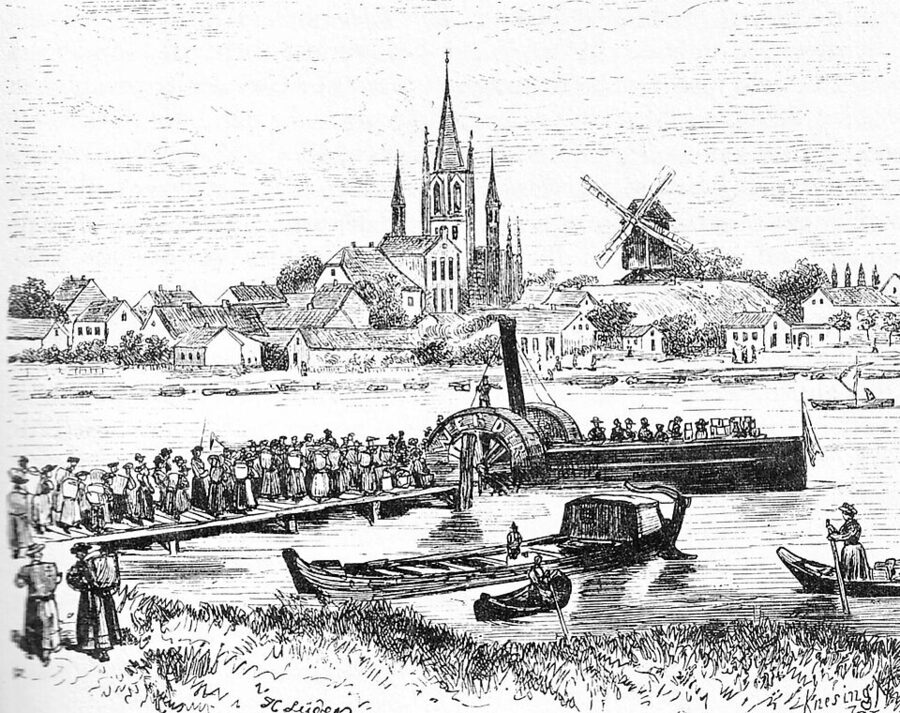
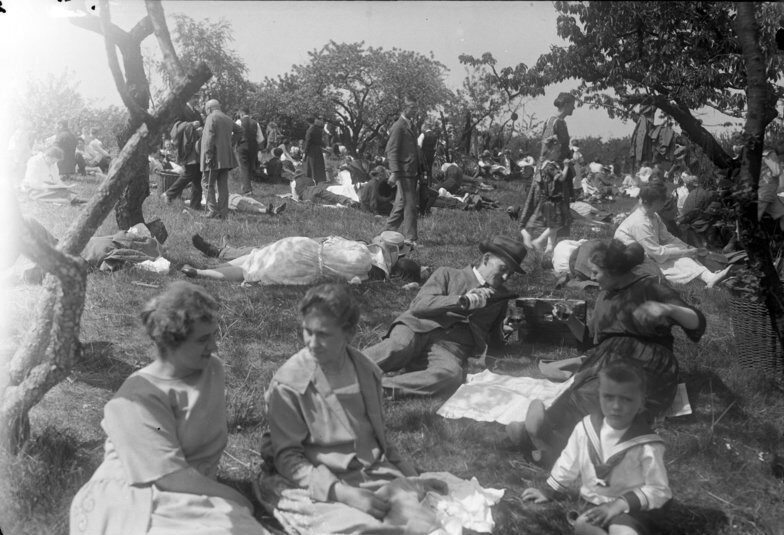
On May 10, 1879, a special train left Berlin for a small island town on the Havel, carrying people who had read in their morning paper that the fruit trees of Werder were in full blossom. The advertisement was the idea of a local fruit grower, Wilhelm Wils, and the new fruit growers’ association had placed the notice in all the Berlin newspapers. More trains followed over the next days. Before long the townspeople were selling wine, coffee and cake to the visitors in their own gardens, and the Baumblütenfest, the tree blossom festival, has come back almost every spring since.
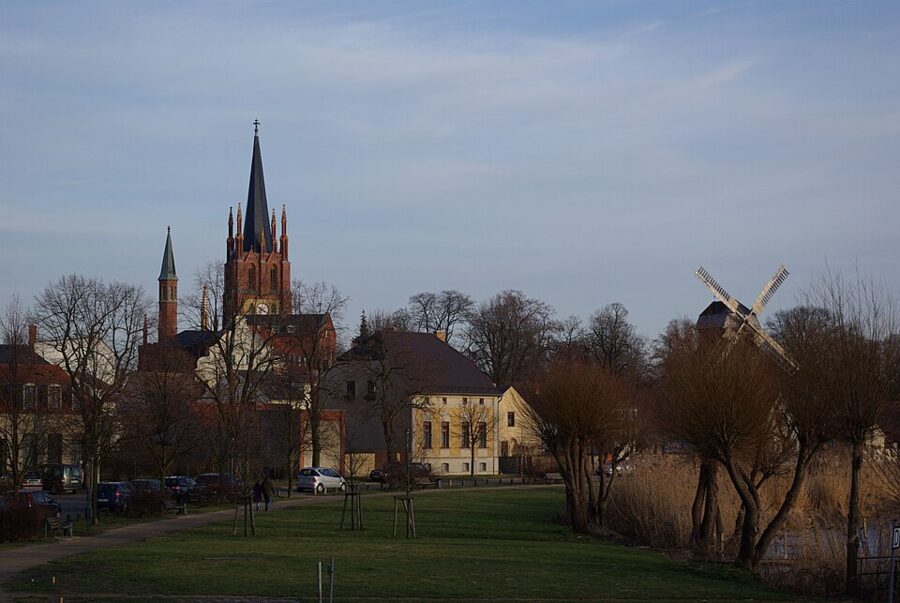

Werder is still the fruit town of the Havel, and it is 10 km southwest of Potsdam and about 40 km from the center of Berlin, close enough that the regional train does the trip in well under an hour. The old town sits on an island in the river, a few hundred meters across, joined to the mainland by one road bridge. Around it, on the low hills of the Zauche, are the orchards, two vineyards and a string of old hilltop inns built for the blossom crowds, and beyond them the lakes, a brick-making village and a manor house in a landscape park.
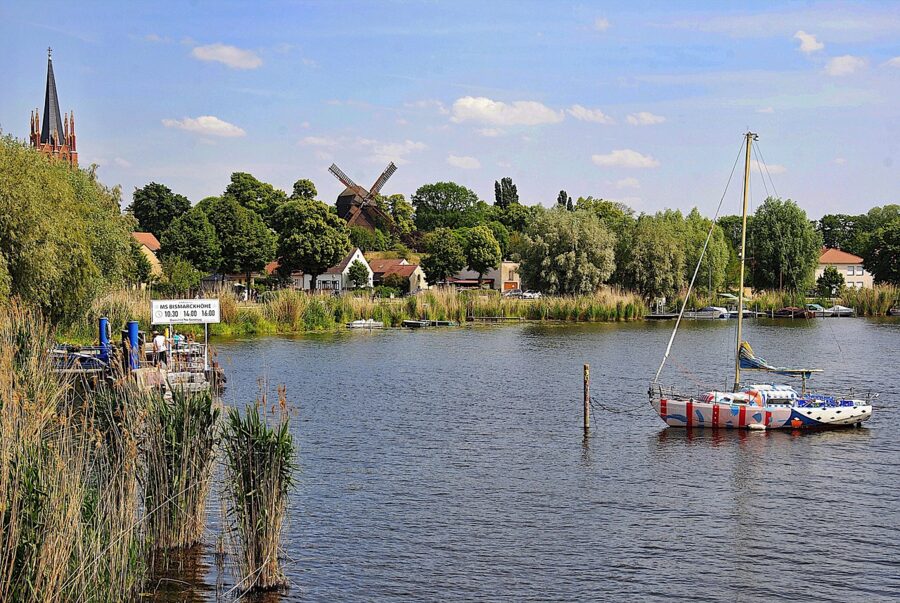
I would come in late April for the blossom, or on any warm day from May to September for the island, the view from the Bismarckhöhe and a fish lunch by the water. Winter is quieter and some places shut, but the island is at its most local then. What follows is the island street by street, the fruit and the wine, the festival with its 2027 dates, the hills and villages around the town, and the practical side: where to eat, which train, which boat.

Contents9 parts
- An island inside the Havel
- Fruit for Berlin: how the orchards made the town
- The Baumblütenfest, from the first special train to 2027
- The Bismarckhöhe and the view over the island
- Glindow: the brick lake
- Petzow: a manor, a church and a lake in a park
- Where to eat and drink in Werder
- Getting to Werder by train, boat and bike
- A day in Werder
An island inside the Havel
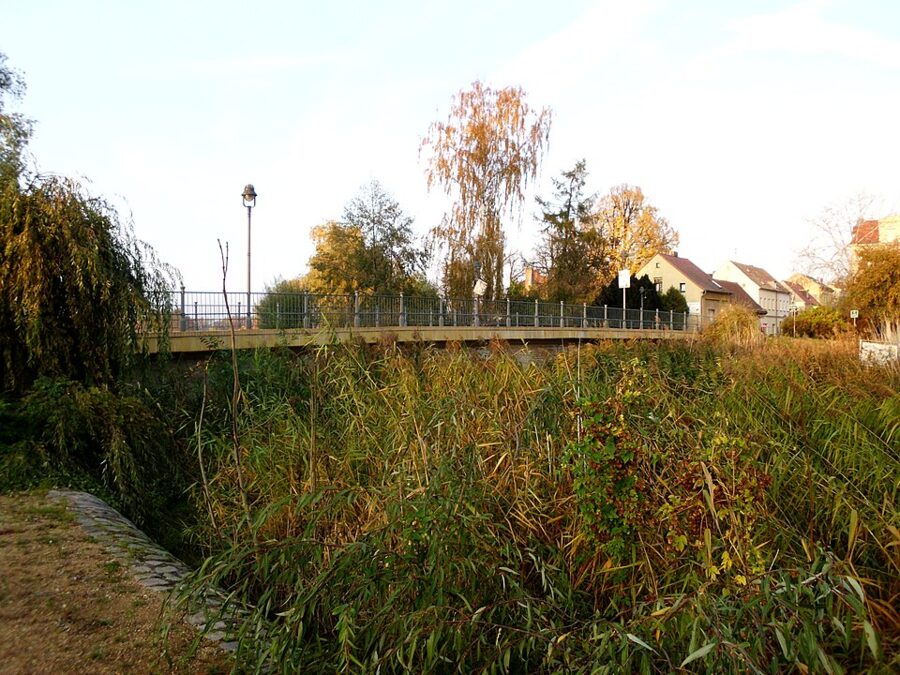
The name explains the place. A Werder is an island in a river, the same word as Wörth in southern Germany, and the Havel here spreads to between 700 m and 1,400 m wide before it gathers itself again. The island lies on its western side, cut off from the mainland only by a narrow arm called the Föhse. The road bridge over the Föhse, the Inselbrücke, is still the only way onto the island by land, and a wooden bridge probably stood here as early as the town’s first written records.
Those records date from 1317. On August 26 of that year a steward of Margrave Waldemar of Brandenburg and his two brothers, both knights, acting on their lord’s orders, sold the little town of Werder with 46 hides of land to the Cistercian monastery of Lehnin for 244 marks of silver, less a quarter mark. The town had already appeared in a deed of April 5 the same year, and in 2017 Werder celebrated 700 years. Nobody ever granted it a charter or built it a wall: it grew out of a market place and a church, and the Swedes plundered it twice in the Thirty Years’ War, in 1637 and 1641.
Theodor Fontane, who walked this country for his Wanderungen durch die Mark Brandenburg, was not kind to the people of Werder. He called them superstitious, practiced at seeing ghosts and careless about the arts, while granting that they worked hard, spent little and lived to a great age. Werder, he wrote, had its setting and its church, both beautiful, but God had given it the one and the monks of Lehnin the other.
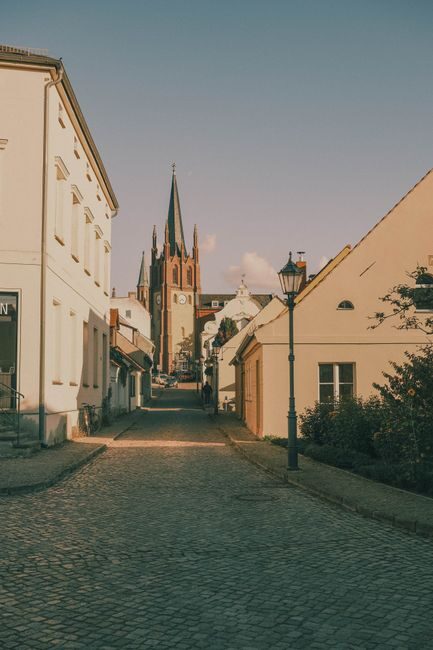
Start at the bridge and walk up Unter den Linden, where the weekly market sets up on Fridays from 07:00 to 14:00. The street brings you onto the island and up to the market square, Am Markt, with its old oak, protected as a natural monument. From there short streets climb to the Kirchberg and the church, to the Mühlenberg, the highest point of the island, and down to the water on all sides.
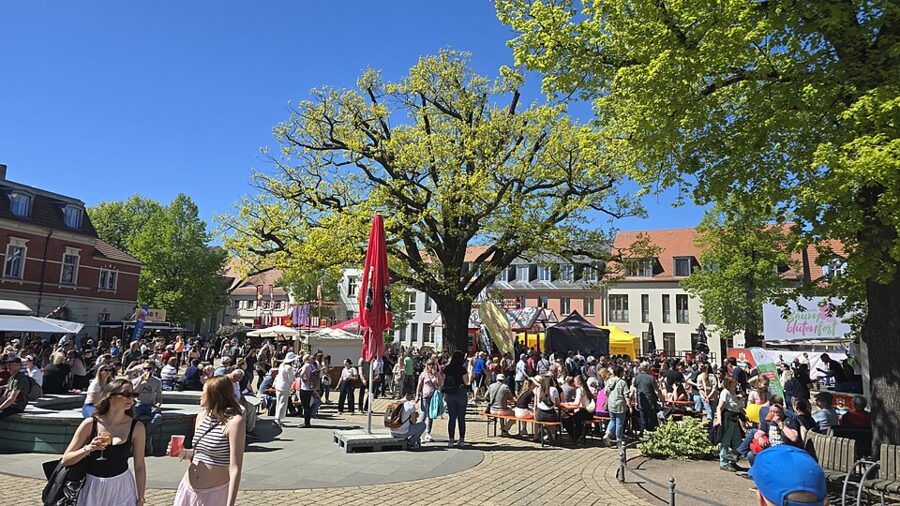

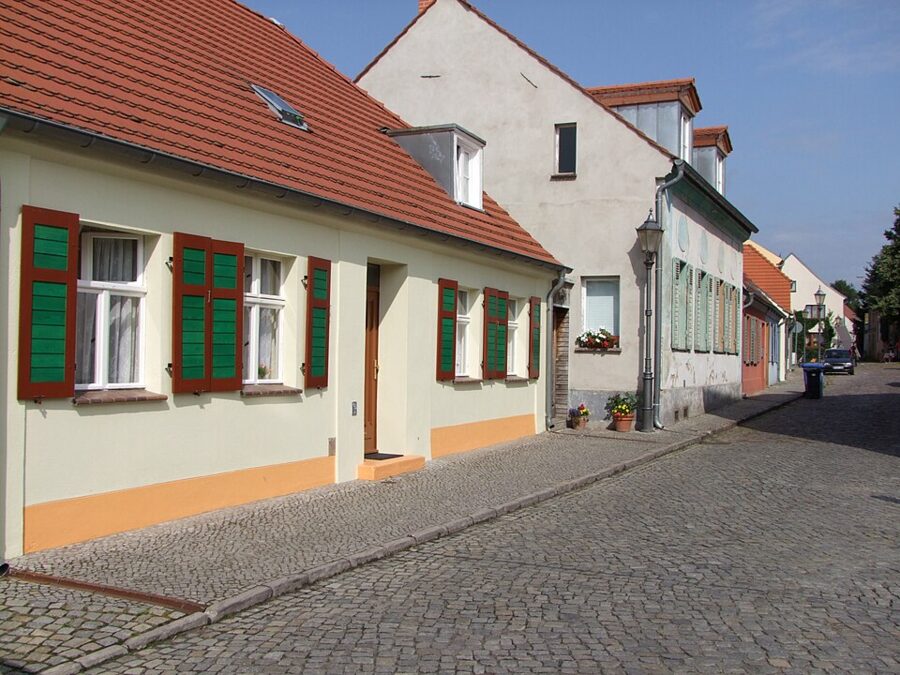
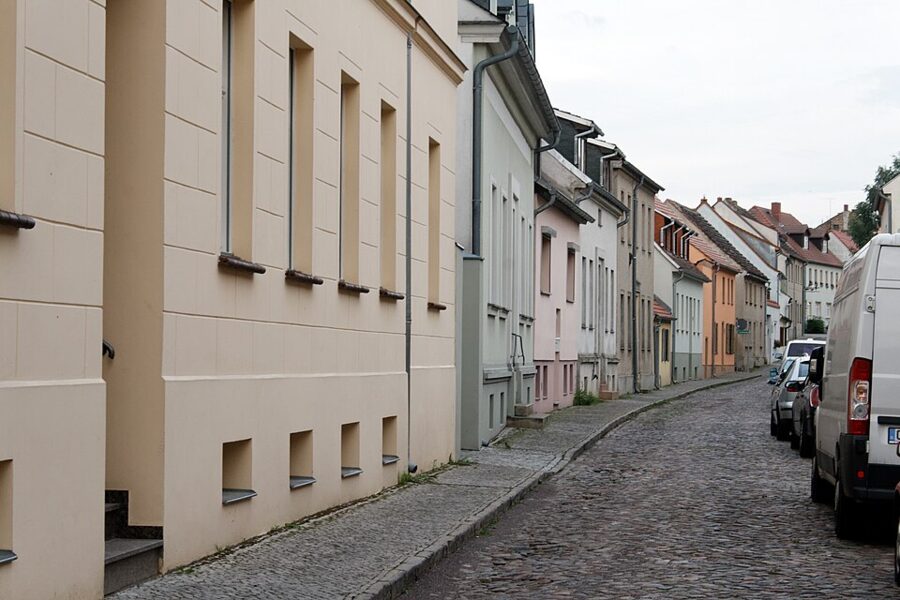
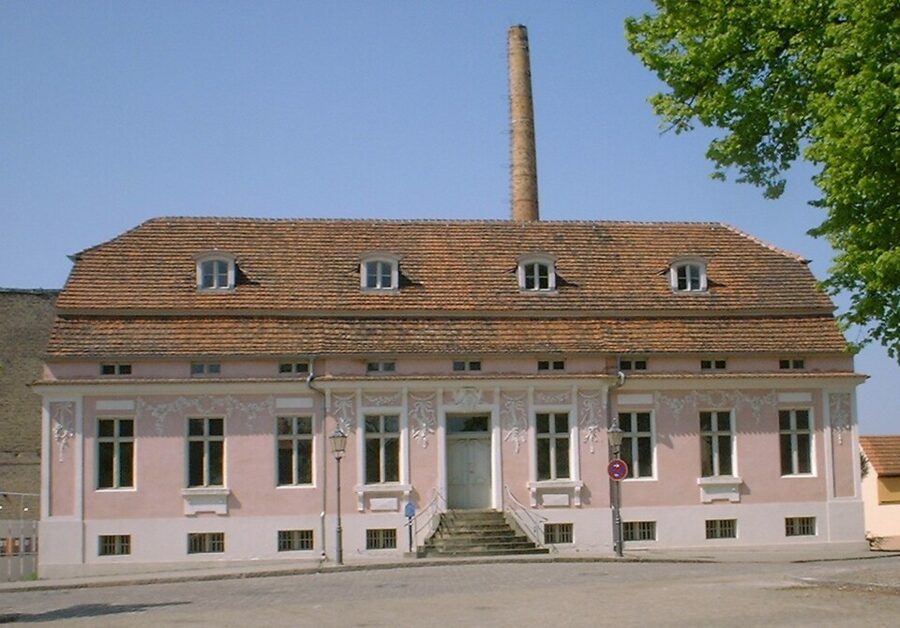
The island is small enough to walk round in an hour without hurrying, and the houses are small too: one or two stories, plastered in cream, ocher and pink, many of them old fishermen’s cottages. After 1990 the old town was declared a redevelopment area, and nearly everything was restored or rebuilt over the next three decades. Some of the houses on the north side of the market are in fact new buildings from after 1990, made to fit so well that you would not guess.

The Heilig-Geist-Kirche
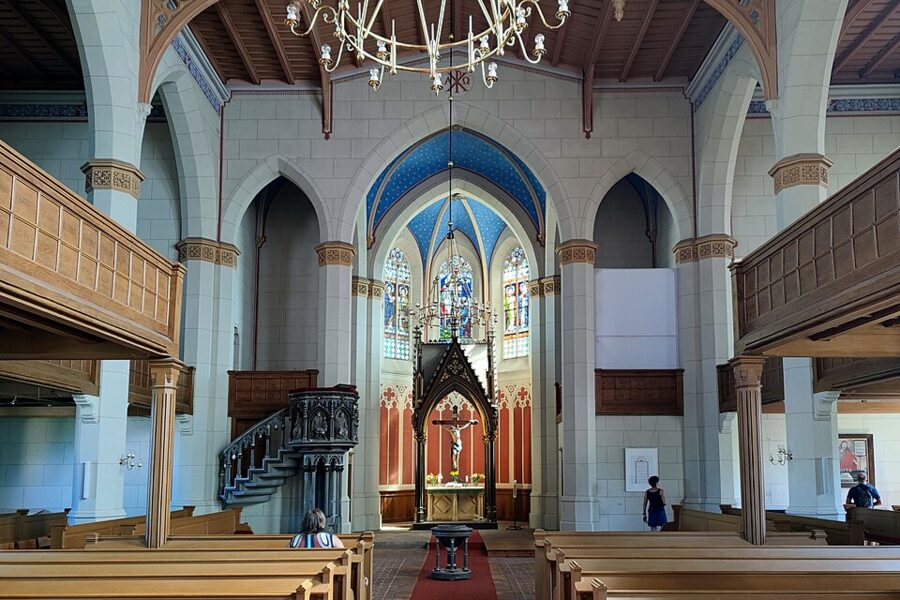
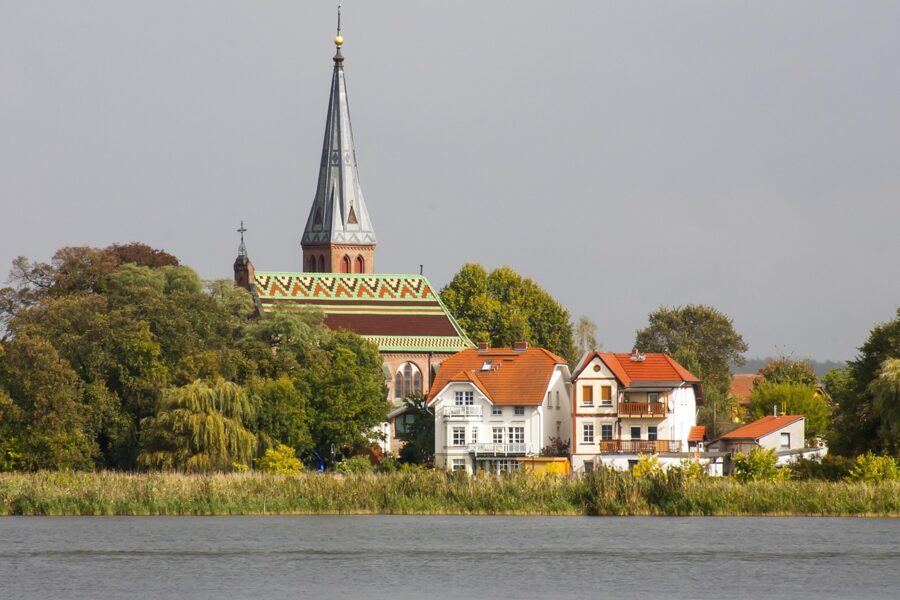
Seen from a distance, Fontane called the church on the Kirchberg a Kleinstadtkathedrale, a small-town cathedral, and from across the water the name fits. The present Heilig-Geist-Kirche (Church of the Holy Spirit) is the third on the spot. The monks of Lehnin built the first around 1250; its successor, put up in the 1730s under Frederick William I (Friedrich Wilhelm I), was in poor repair a century later, and Frederick William IV (Friedrich Wilhelm IV) pressed for a new building. Sources disagree on whether that second church went up in 1734 or replaced the old one only in 1736.
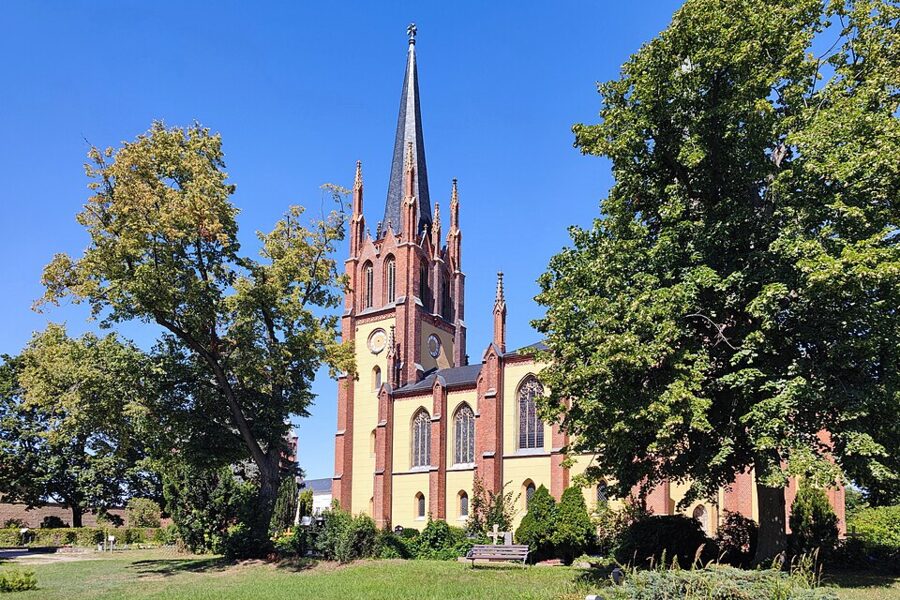
The architect was August Stüler, Schinkel’s pupil and the court architect of Frederick William IV, who drew two designs in 1852. Building began in 1856, the church was consecrated on April 18, 1858, and its plan is a cross, with nave and transepts. The tower kept the base of the older one and was raised; one account gives its height as 45 m, another as about 50 m. When the tower was repaired after 1995, the missing terracotta pieces were fired at the brickworks in Glindow, the brickmaking village across the lake.
Inside, the painted timber ceiling and the stone-colored blocks drawn on the plastered walls follow Stüler’s designs; the interior was restored between 1989 and 1994 from old photographs. The stained glass in the apse, showing the Ascension and the four Evangelists, dates from 1911, and the windows in the nave, destroyed in the Second World War, were remade in 1950 to designs by Katharina Peschel. The pulpit, in artificial stone by the Berlin sculptor Friedrich Wilhelm Dankberg, carries Luther, Calvin, Augustine, Origen and Melanchthon.
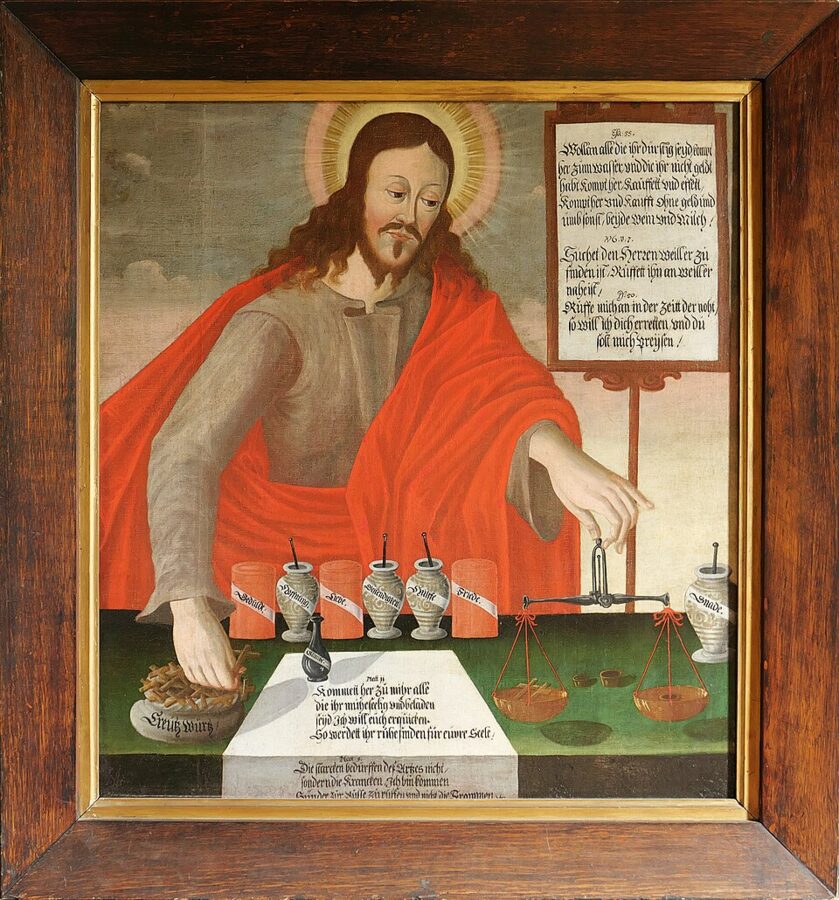
The object to look for is a painting from the end of the seventeenth century, Christus als Apotheker, Christ as an apothecary. Fontane made it famous: Christ stands at a dispensing counter with a pair of scales in his hand, and in front of him are eight jars labeled Grace, Help, Love, Patience, Peace, Constancy, Hope and Faith. The workshops of the Prussian Palaces and Gardens Foundation (SPSG) restored it in 1993. Two heavy steel bells of 1954, which helped damage the tower and were later taken down, now stand on the church square outside.
The post mill on the Mühlenberg
From 1500 the town was allowed to build windmills, and the island once had three. The Bockwindmühle, the post mill, on the Mühlenberg is the last, or rather its stand-in. The original ground grain until 1949 and fed the town through the hungry years after the war; in December 1973 it burned down beyond repair.
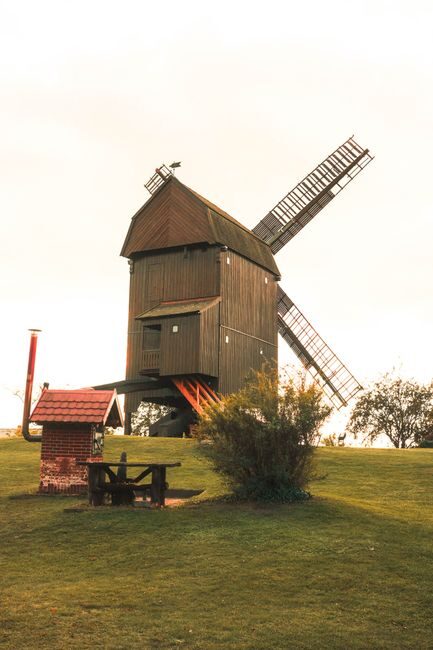
In 1985 the town bought the parts of a similar mill at Klossa near Jessen, now in Saxony-Anhalt, for 6,000 East German marks. Volunteers and craftsmen began rebuilding it on the same spot in 1987, it was inaugurated in 1991, and its sails turned for the first time at the first mill festival in 1993. Since 2007 it can grind again. The old millstones of the burned mill lie on the slope of the hill, and the Mühlenfest still takes place every August, with the mill open for tours.
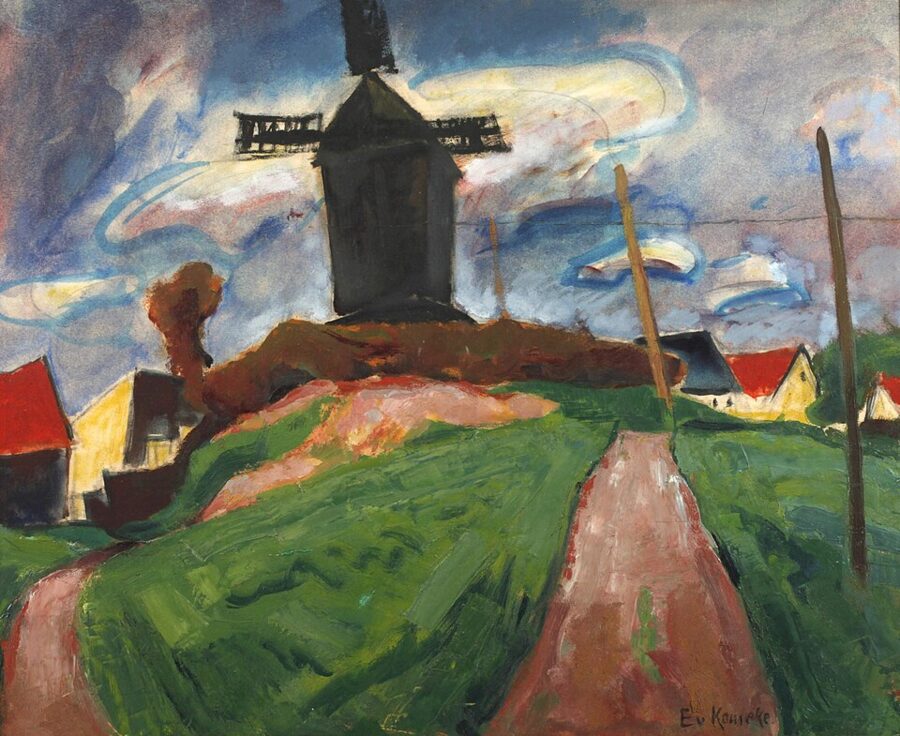
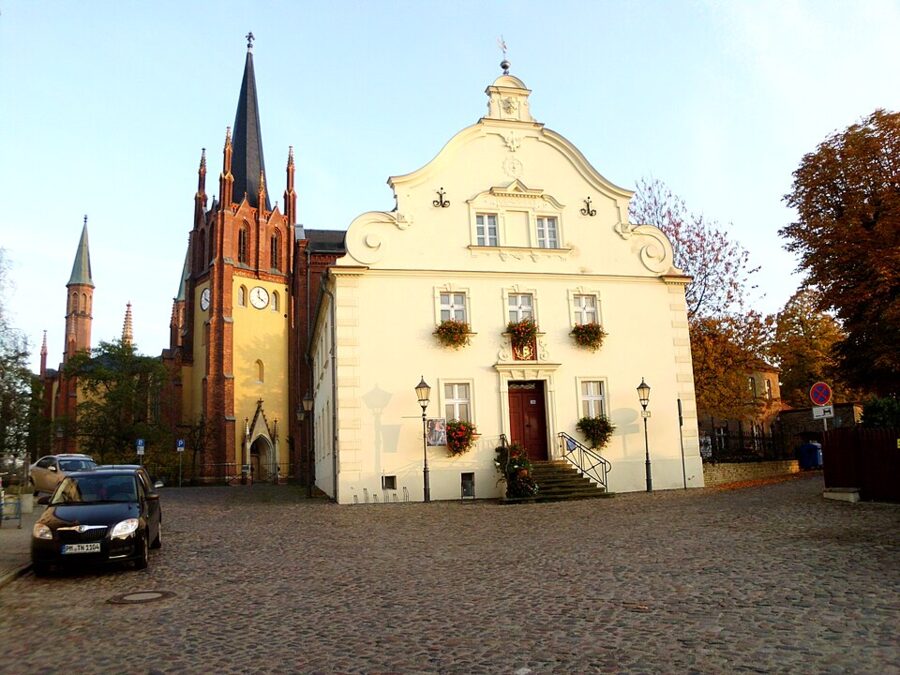
Back toward the church, in Kirchstraße, stands the Altes Rathaus, the old town hall, converted in 1879 from a timber-framed school and restored between 1992 and 1995. The Mühlenberg is the best viewpoint on the island itself: the Havel opens up to the south, and on a clear day you can follow the line of hills on the mainland where the orchards begin.
Fischerstraße and the island’s memory
Fishing is, with wine, the oldest trade in Werder, and the fishermen’s quarter, the Kietz, probably lay along Fischerstraße, close to the shore. The lane still runs close to the water, and a fish restaurant here smokes its own catch. Werder’s waters hold zander, perch and carp, and anglers can still buy permits in town.

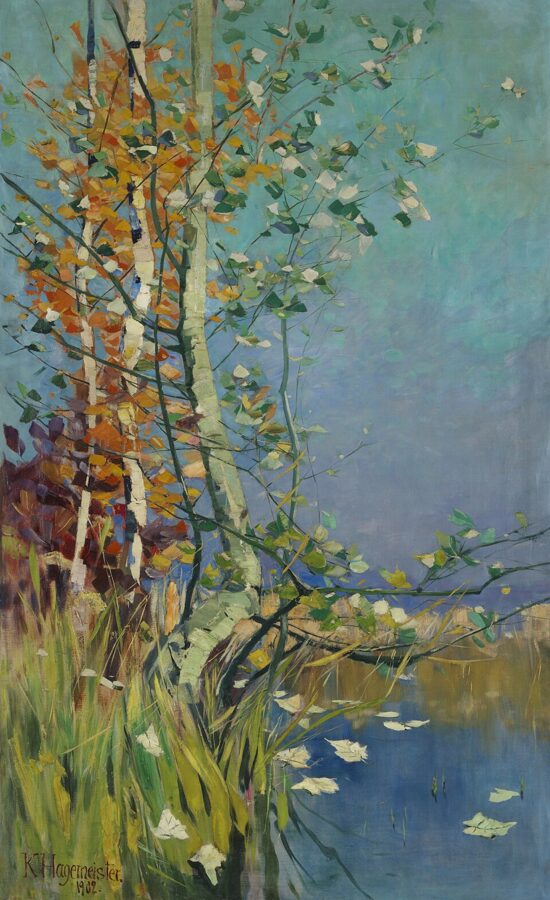
Karl Hagemeister, often called the most important painter of the Brandenburg landscape, was born on the island in 1848, the son of a fruit grower. He spent most of his life painting the lakes, reeds and birch woods of the country around Werder and Ferch, and died in 1933. A plaque marks his house at Kirchstraße 14, and he is buried in the island cemetery beside the church.
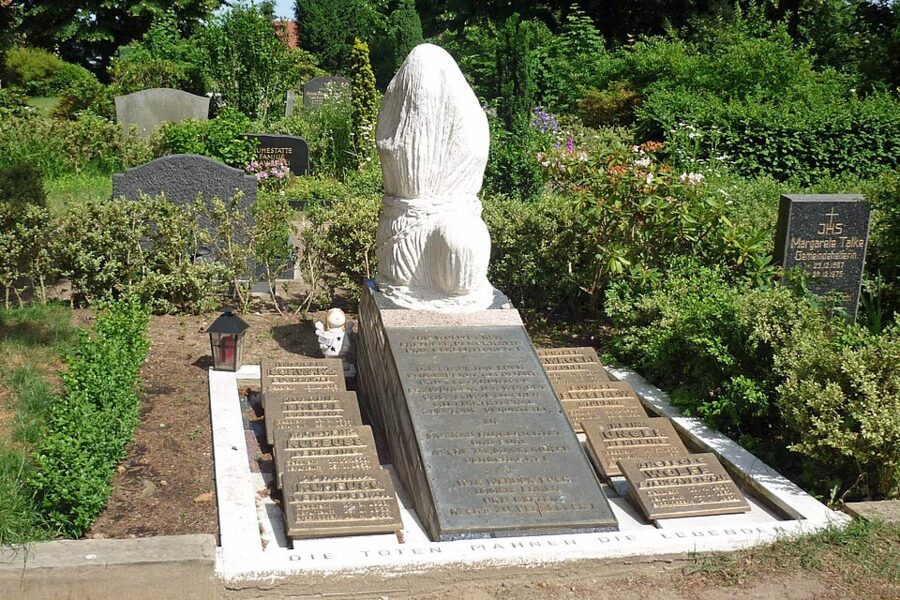
The island cemetery also holds a darker memorial. In the early 1950s young people from Werder formed an opposition group against the East German regime and the Soviet occupation. A Soviet military tribunal sentenced several of them to death and others to years of forced labor; seven were executed in Moscow in 1952. Russian military prosecutors rehabilitated all of the convicted in 1997 to 1999, and a memorial on the island cemetery, unveiled in 2008, carries the names of the dead.

Werder’s other war is also on the record. In March 1943 a small subcamp of the Sachsenhausen concentration camp was set up here; its prisoners and prisoners of war were held in a cellar on the Friedrichshöhe and on a Havel barge, and forced to work. The airfield north of the town trained Luftwaffe pilots until 1944, and the Red Army took it over afterwards and stayed until the early 1990s. A memorial of 1975 in the Neuer Friedhof on Kemnitzer Straße names some of the dead.
Fruit for Berlin: how the orchards made the town
The monks of Lehnin, who owned the town from 1317 until the monastery was dissolved at the Reformation, already grew fruit here, and the soil and the water did the rest. The light, sandy loam warms quickly in spring, the lakes soften the frosts, and the slopes of the Zauche face the sun. Over the centuries Werder became the orchard of Berlin: sweet and sour cherries above all, then apples, pears, plums, strawberries and later tomatoes under glass.

Getting the fruit to market shaped the town as much as growing it. It went to Berlin by barge and later by steamer down the Havel, packed in baskets called Tienen, and soft fruit such as apricots and peaches was wrapped in vine leaves for the journey. The railway came in the nineteenth century, and with it cheap fruit from all over Germany. By the 1870s the Werder growers were losing their name: according to their own history, Berlin dealers were selling Werder fruit as imports from the south at higher prices.
The growers answered with marketing. After fruit shows in 1875 and 1876, they founded the Obstbau-Verein Werder, the fruit growers’ association, on September 25, 1878, at the close of their third exhibition. It joined the German Pomological Society the next February, showed Werder fruit at the Paris World’s Fair of 1900, pushed for a fruit-growing school (opened in 1905) and, against gluts of unsold fruit, encouraged growers to turn the surplus into wine at home. Its successor, the Werderscher Obst- und Gartenbauverein, refounded in 1996, still judges the fruit wine before every festival.

The fruit trade survived two wars and the East German state, which grouped the growers into cooperatives. Werder produce was so prized in the GDR that it often counted as Bückware, goods kept under the counter for favored customers, and top hotels such as the Neptun in Rostock were supplied from here. Since 1990 a good deal of orchard land has gone out of use, but family farms still grow cherries, apples and berries on the hills, and Werder fruit wine is still made in back rooms and farm sheds all over town.

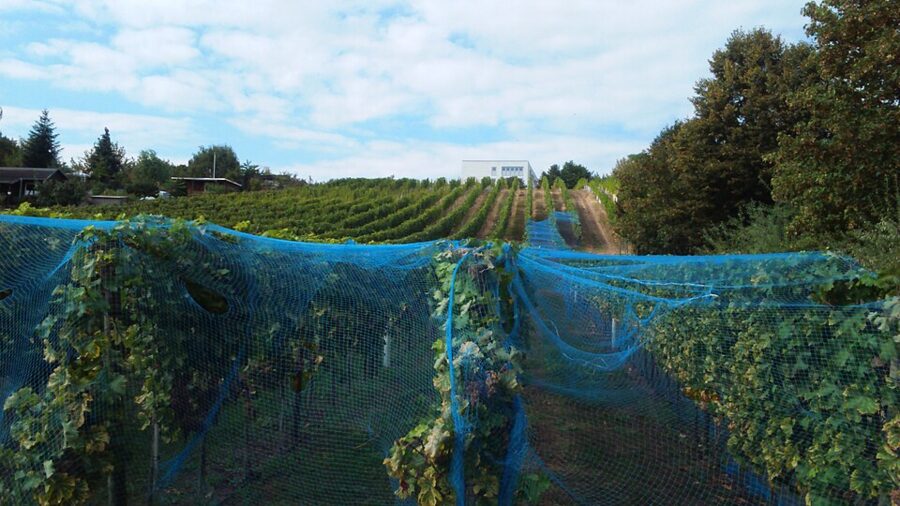
Vineyards on the Wachtelberg and the Galgenberg
Wine is older here than the fruit trade. In the first half of the eighteenth century more than 100 ha of vines grew around Werder, Elbling, Schönedel and Rotfranke, more red than white, on the island’s own Mühlenberg and Gottesberg as well as on the mainland hills. Students in Frankfurt an der Oder joked in 1598 that the wine of the Mark went down the throat like a saw, but a century later the Great Elector’s physician, Johann Elsholtz, praised the Werder wines for their mildness. Bad harvests, competition and cheaper Rhine wine slowly turned the vineyards into orchards, and the last old vines froze in the winter of 1955 to 1956.
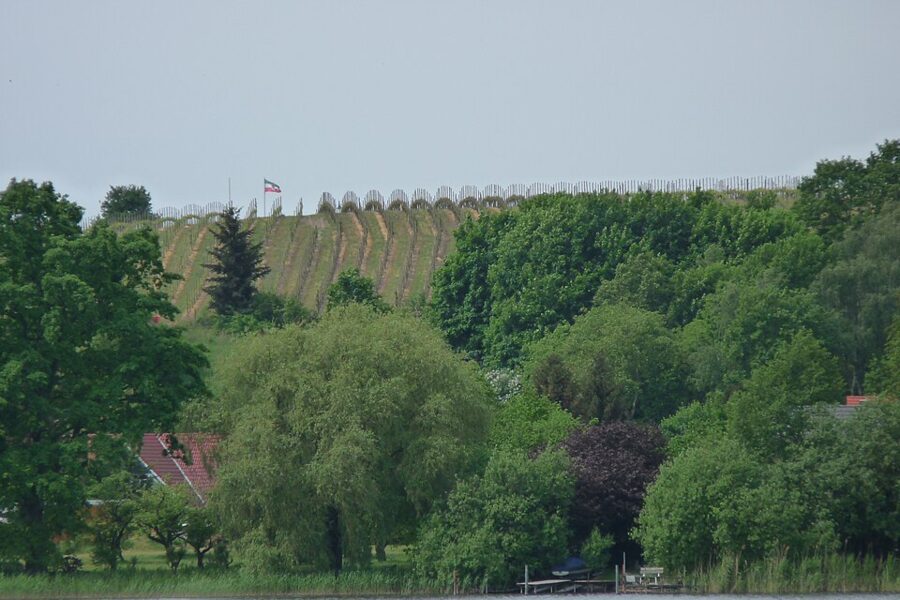

Replanting began in 1985, when a fruit cooperative put 4.8 ha of vines on the Werderaner Wachtelberg. The site, now about 6.5 ha, was entered in 1991 as a single vineyard of the Saale-Unstrut wine region, and for years Werder advertised itself as the northernmost place in Europe making quality wine.
Its main grower, Weinbau Dr. Lindicke, also farms the Werderaner Galgenberg above the town and runs the Weintiene, a seasonal wine bar in a hut among the vines. The season has closed for 2026, but the family serves mulled wine at the hut on the last three Sundays of Advent.

Fruit wine, farm shops and markets
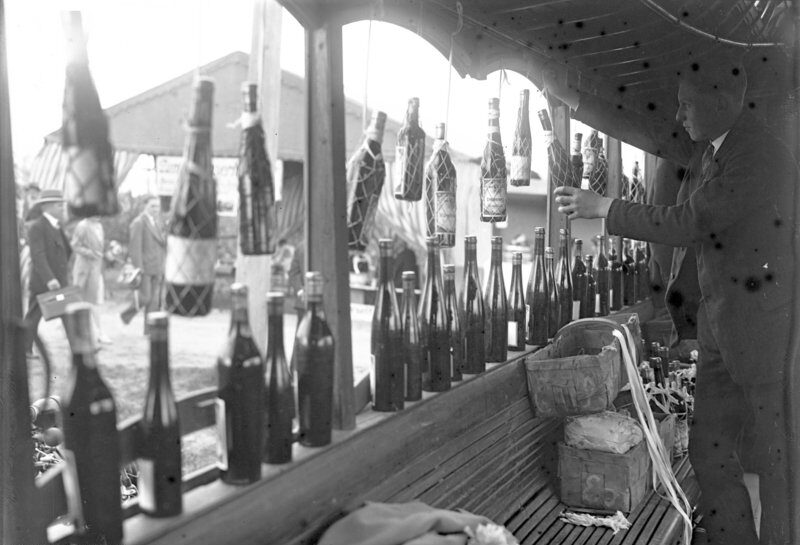
Fruit wine, Obstwein, is what Werder drinks at the blossom: cherry, black currant, raspberry, rhubarb, quince and a dozen others, mostly sweet. The fruit growers’ association judges the year’s wines before the festival and awards a Golden, Silver or Bronze Kruke, the name of the old stoneware jug. Its rules for “Original Werderscher Obstwein” allow fruit from the Werder area, yeast and, where needed, sugar and acid, and forbid fruit syrup, added alcohol, synthetic flavors and honey.
The best place to buy is a farm shop. Obsthof Lindicke, at Am Plessower Eck 1 on the B1 toward Plessow, sells its own fruit, juices, jams and prize-winning fruit wines, and opens Wednesday to Friday 09:00 to 18:00, Saturday 09:00 to 16:00 and Sunday 10:00 to 16:00, with a winter break from December 24, 2026 to January 19, 2027. In season you can pick your own cherries, apples and pears.
The Derwitzer Hofladen, on the B1 at Derwitz, opens Monday to Friday 08:00 to 18:00 and Saturday 08:00 to 16:00, with strawberries and asparagus from April, ten varieties of sweet cherry in June and apples, pears and potatoes all year. In Glindow, the Obsthof Wels sells from the farm on Thursday and Friday 10:00 to 17:00 and Saturday 08:00 to 12:00, and from Tuesday to Sunday in the picking season, according to the growers’ association. Besides the Friday market on Unter den Linden, the growers run a Saturday fresh market at the WerderPark shopping center, 07:00 to 14:00.
Behind the tourist office on Plantagenplatz, the association keeps the Schuffelgärten, small demonstration plots showing the old Werder way of growing fruit in tiers, with strawberries under currant bushes under fruit trees, worked with a hoe called a Schuffel. They open on set days rather than daily, for the Galgenberg day in August and for harvest and tree-selling days. The association also looks after a pear tree on the island thought to be about 300 years old, the oldest on Werder.
The Baumblütenfest, from the first special train to 2027
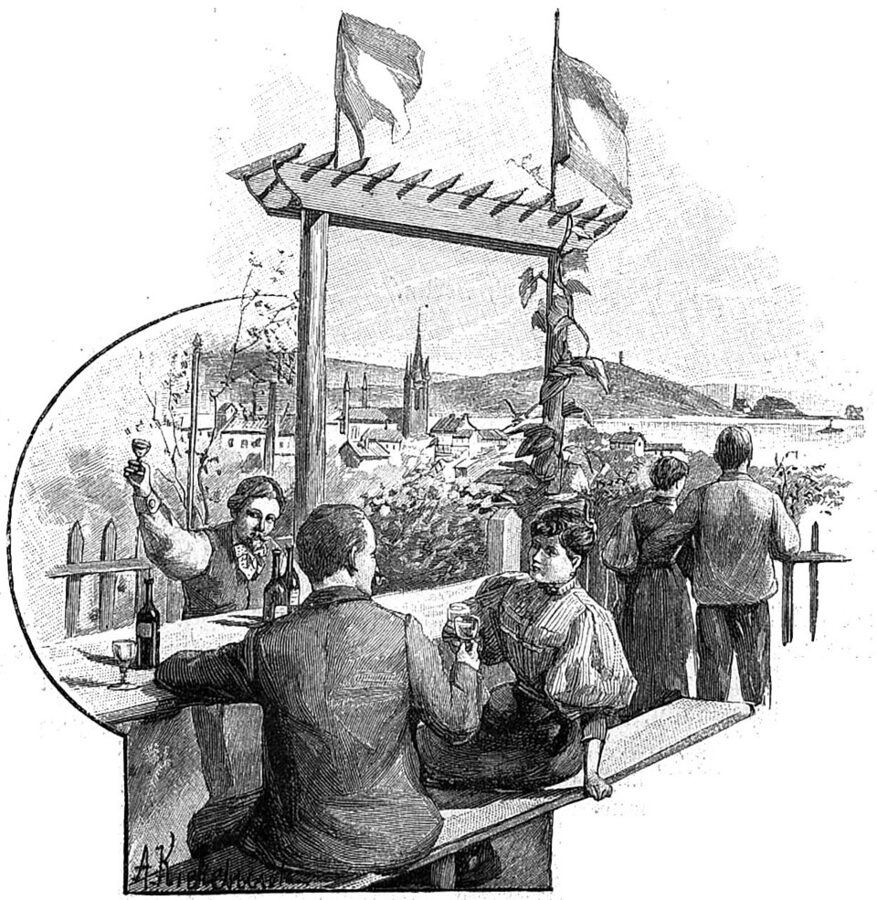
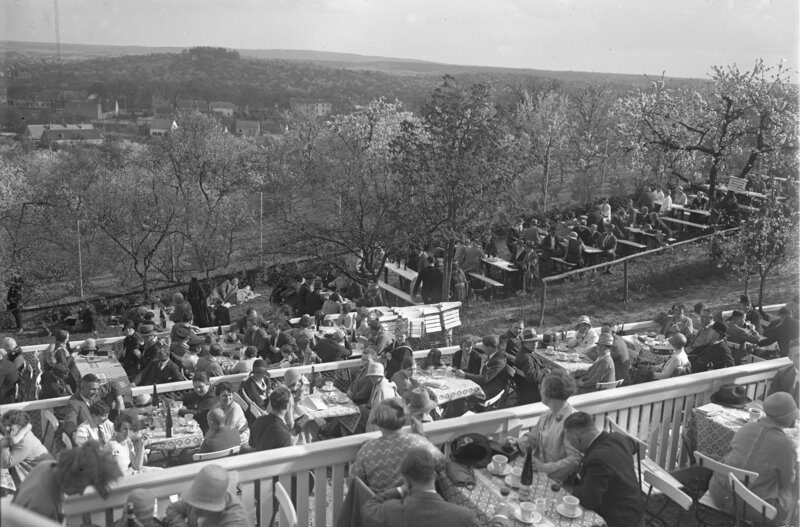
The festival began as advertising and turned into a mass outing almost at once. Berliners came by train and steamer, the growers set out tables in their gardens, and within a few years the hills above the town had sprouted Höhengaststätten, hilltop inns built to feed and water the crowds: the Bismarckhöhe, the Friedrichshöhe, the Wachtelburg and the little Gerlachshöhe, named after the painter Ferdinand August Gerlach, who owned the land. Steamers from Potsdam and Berlin called several times a day at a landing below the Wachtelburg.
The Wachtelburg is the best piece of theater among them. Built between 1893 and 1907 around a square lookout tower, it is faced with Schmolzziegel, misfired bricks that came cheap from the local kilns, chosen precisely because they looked old and weathered: the castle was meant to look like a ruin from the day it opened. Empress Augusta and Queen Emma and Queen Wilhelmina of the Netherlands came up to see the view. Since the late 1940s it has belonged to the Seventh-day Adventist Church, which runs it as a youth center; the grounds are open to the public.

The festival’s reputation for drink is as old as the festival. In the GDR the centenary of 1979 was the last big celebration for decades; after that the state restricted fruit wine sales and banned selling in the gardens altogether. After the Wall fell the crowds came back fast, from around 300,000 in 1993 to a peak of about 750,000 in 1998, and with them brawls and vandalism that the town spent the next decades trying to tame.

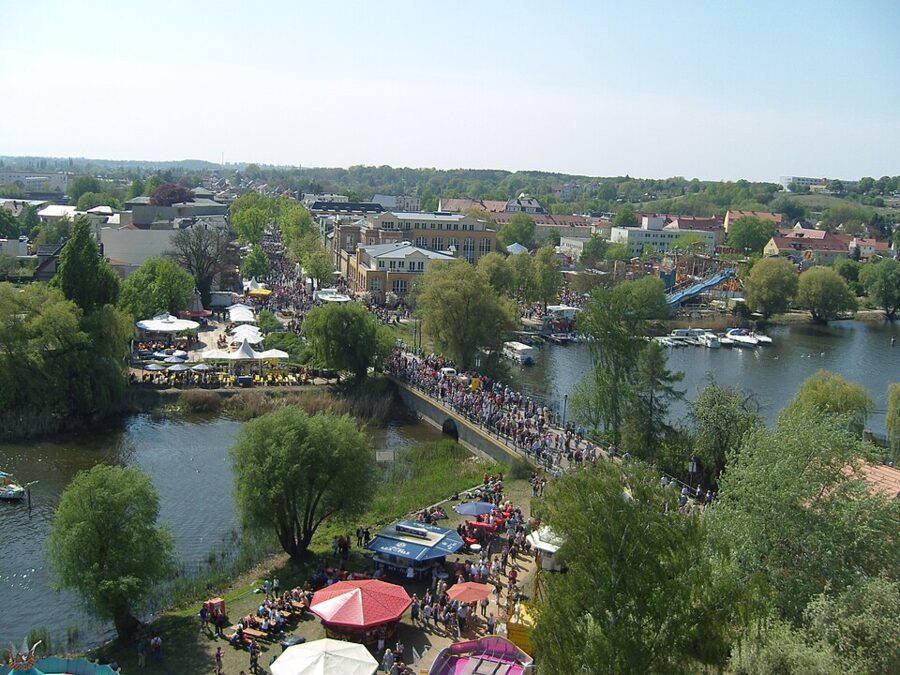
The town planned a quieter, garden-centered festival from 2020; the pandemic cancelled the big events in 2020, 2021 and 2022, although many farms and private gardens opened anyway in 2022. The 144th festival in 2023 was the restart, built on a five-stage consultation with residents. Today it runs in three parts, which the town calls Bausteine, building blocks: first the farms and gardens, then the fairground, then a three-day folk festival in the town center.
The 2026 festival, the 147th, had temperatures up to 30 °C (86 °F) and full farmyards. According to the town, about 20 farms and gardens took part on the blossom circuit, served by up to 19 buses at a time, and the parade on May 2 had 58 groups. Federal police counted 7,556 people arriving by train at Werder station on the first weekend, and 32,808 on the second, long weekend by Sunday evening.

The 2027 festival: dates and how it works
The 148th Baumblütenfest runs from April 24 to May 2, 2027. The farms and gardens open for the whole period, with the Blütenrundfahrt, the blossom bus circuit, touring the plantations. The fairground and the children’s area open in the town center on April 28, and the folk festival, with live music, stages and the festival mile between Plantagenplatz and the island market, runs from April 30 to May 2. The town’s announcement for 2027 also promises the traditional fixtures: the blossom ball, the parade, fireworks, the clubs’ day and the blossom run in the town forest.
The ball opens the festival at the Bismarckhöhe, and the new Baumblütenkönigin, the blossom queen, is crowned there; she represents the town and its growers for a year. The queen for 2026 to 2027 is Sabine Ritschel, from the village of Phöben. The parade of local clubs and schools, led by the queen and the mayor, is a highlight of the final weekend.
My advice: come for the first part. The blossom itself is the reason for the festival, and in the days before the fairground opens, April 24 to 27 in 2027, you can ride the blossom circuit between the farms, drink a glass under the trees and still hear the birds. Come on the folk festival weekend only if you want the crowd, and if you do, take the train early and plan to leave before dark. Blossom does not keep a calendar, so in a cold spring the trees may still be bare in late April, and in a warm one the cherries may be over.
Arriving for the blossom
Do not drive. In festival week the regional trains run extra services and still fill up, and special buses run to the town and round the farms. The most pleasant way in is by water: the Weiße Flotte runs special blossom boats from Potsdam’s Lange Brücke via Caputh to the island promenade, with adult tickets from €14 and a crossing of a little over an hour. The boat tours from Potsdam article has the fleet and the other routes.
The Bismarckhöhe and the view over the island
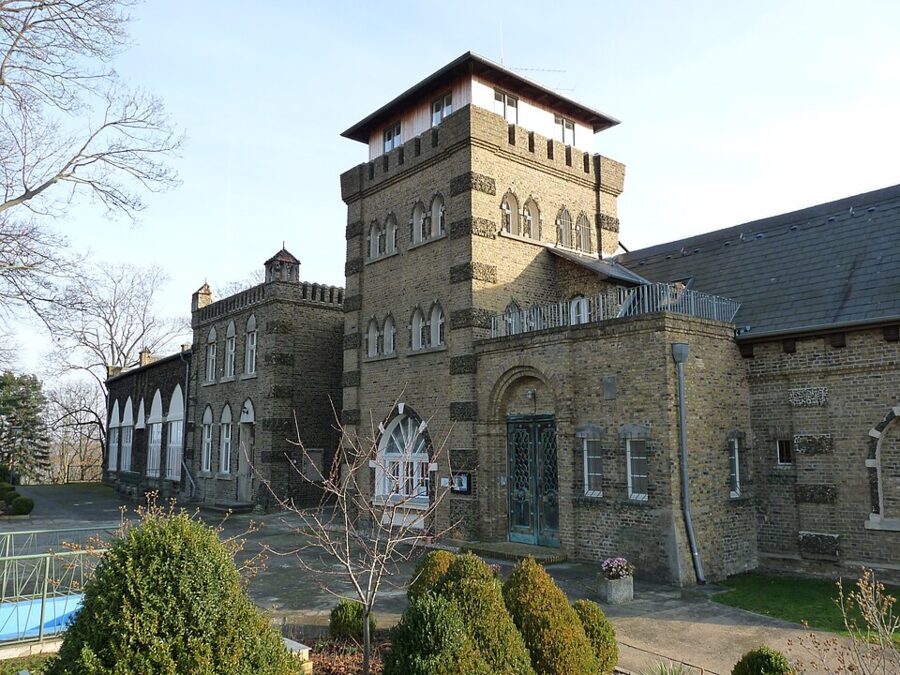
Climb the Hoher Weg on the mainland behind the town and you reach the Bismarckhöhe, the grandest of the hilltop inns. In 1893 the innkeeper Emil Knorr built a lookout tower and a restaurant here on the Galgenberg. A year later a fruit grower and juice maker named Gustav Altenkirch, who had been selling juice from a tent on his own plantation, bought the place, added a hall and a new brick tower, and renamed it in honor of the recently dismissed chancellor, Otto von Bismarck.
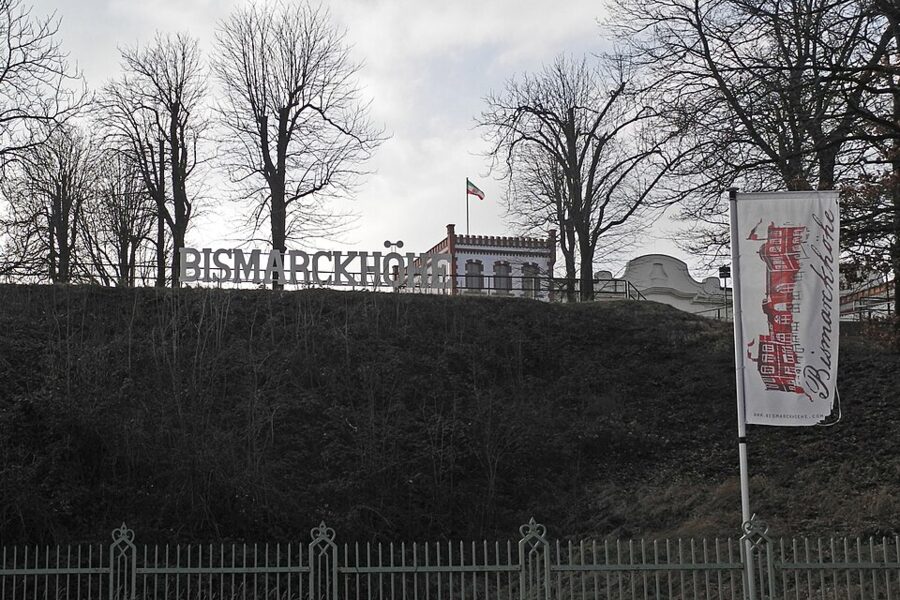

The poet Christian Morgenstern came here on May 5, 1895, the eve of his birthday, with friends from Berlin for the blossom. Up on the Galgenberg, fortified with fruit wine, they founded the Bund der Galgenbrüder, the Brotherhood of the Gallows, and Morgenstern recited the first of the gallows songs, the Galgenlieder, that later made his name. The Christian-Morgenstern-Gesellschaft opened a museum in the tower in 2014, the centenary of his death, with first editions and books from his own library.
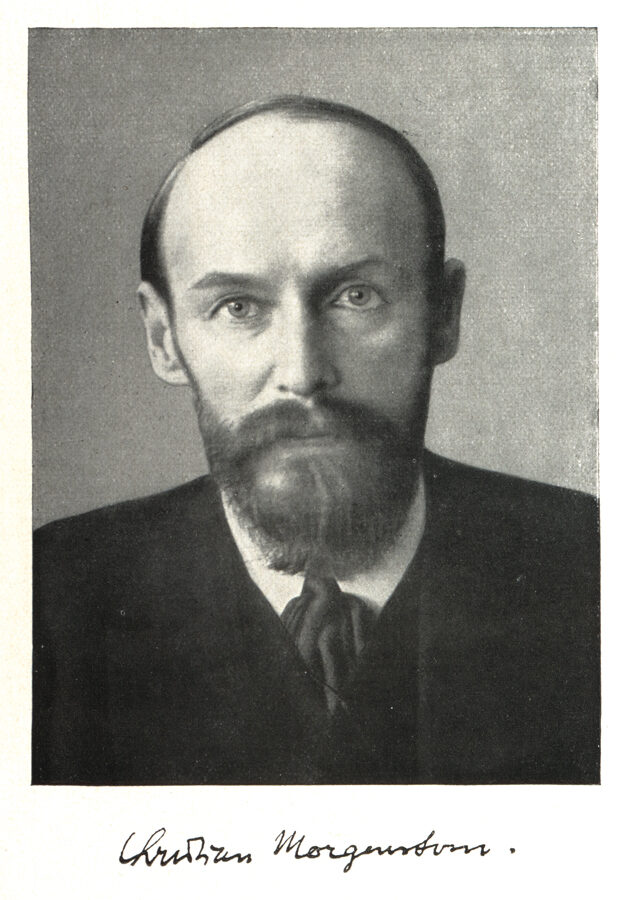
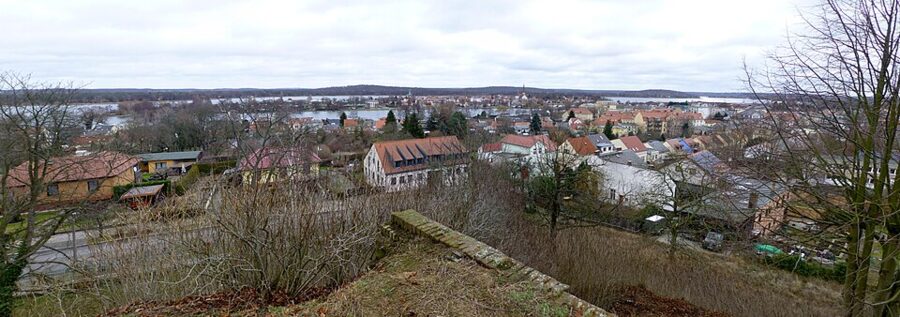
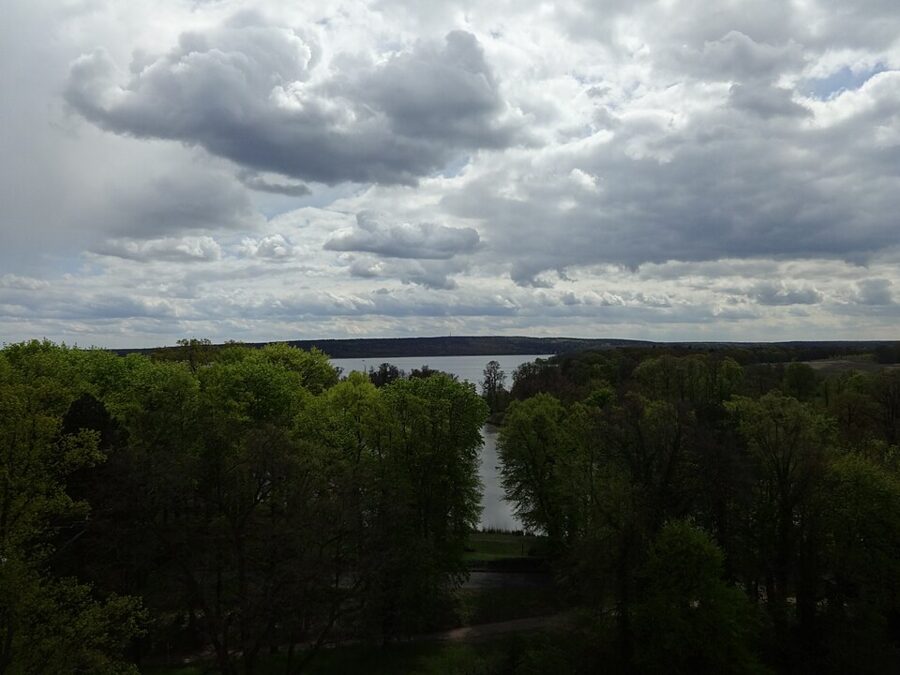
The museum and the platform open from about March to October on Saturdays, Sundays and public holidays, 13:00 to 18:00; in 2026 admission to the museum, exhibitions and platform was €5 and to the platform alone €2, children under 14 free. The 2027 opening days had not yet been published in November 2026. Go up for the view even if you never read a line of Morgenstern: the island, the church and the mill lie spread out below, with the Havel lakes on three sides.

Glindow: the brick lake
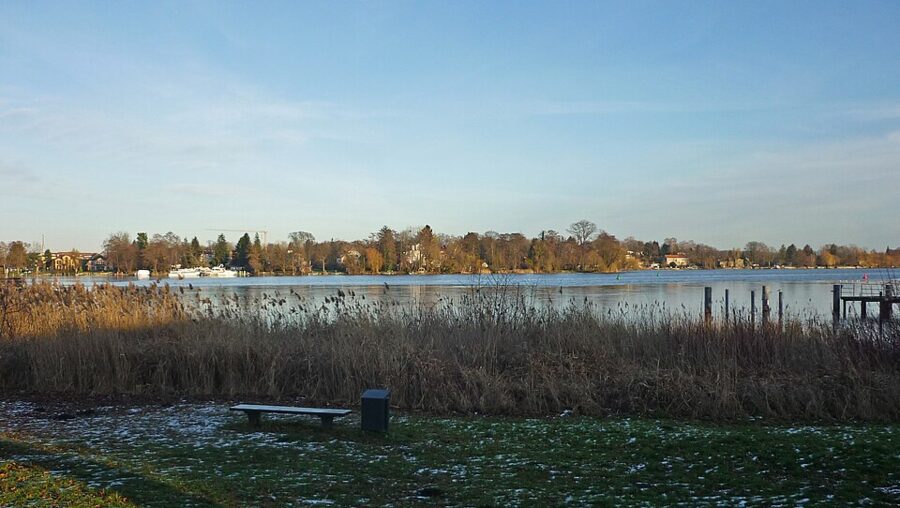
South of the town lies the Glindower See, joined to the Havel by the Strenggraben, a channel dug in 1701. The lake is about 3.3 km long and up to 1 km wide, with a deepest point of 14 m, and it fills a channel cut by meltwater at the end of the last ice age, some 19,000 years ago. Werder sits between it and the Havel, which is why there is water on almost every side of town; the Potsdam lakes guide follows the whole chain of lakes, and this one belongs to it.

The village of Glindow, on the western shore, built a good part of Berlin. Its name comes from the Slavic glina, clay, and the clay here makes the yellow bricks you see all over the Mark Brandenburg. Cistercian brickmaking near Glindow is recorded from 1462. In the building boom after 1871, when Berlin became the brickworks’ main customer, around 18 brickworks stood around the lake, and some 500 workers turned out up to 600,000 bricks a day, loaded straight onto barges for the city.
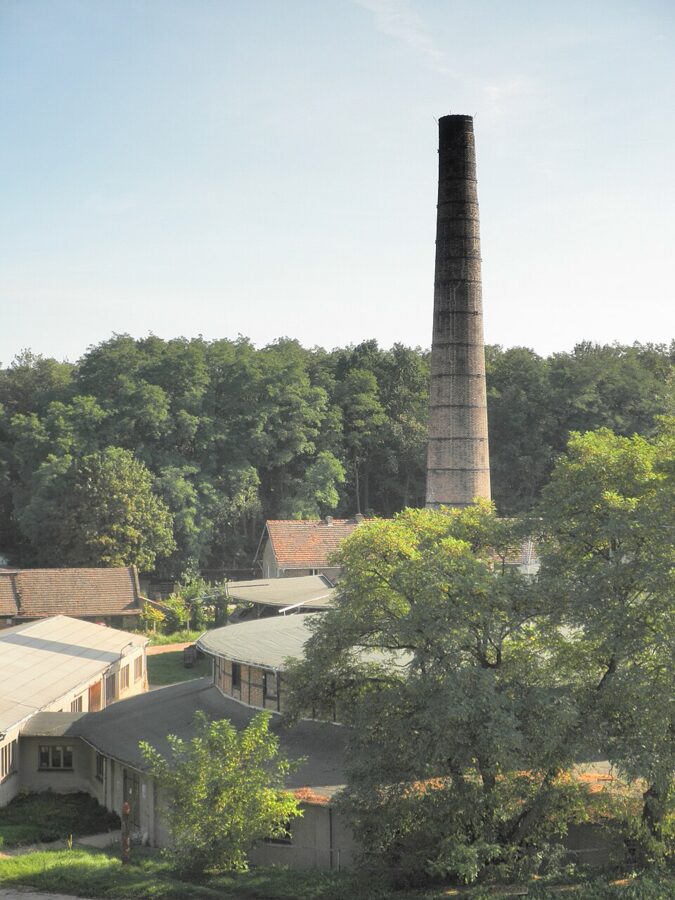

By the late 1880s the best clay was used up, and new deposits found near Zehdenick in 1887 took over Berlin’s supply. The Glindow works declined, made flowerpots in the GDR and closed with reunification, when one brickworks became a museum. Since 1990 bricks, terracotta and molded pieces have again been made by hand here, mostly for the restoration of historic buildings.
The Märkisches Ziegeleimuseum Glindow, at Alpenstraße 44, occupies a tower built around 1890 as a lookout for approaching brick barges, and shows the history of the trade and of the seasonal workers who came from Westphalia to do it. It opens from April to October on Saturdays, Sundays and public holidays, 11:00 to 16:00, and the view from the top over the lake is worth the climb. Tours of the working ring kiln next door are arranged with the brickworks.
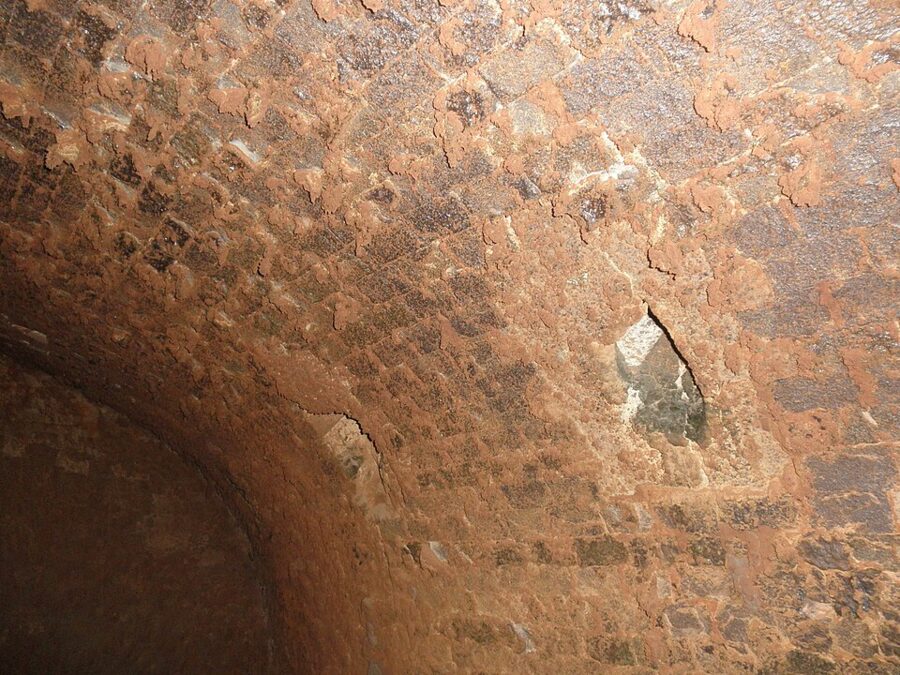

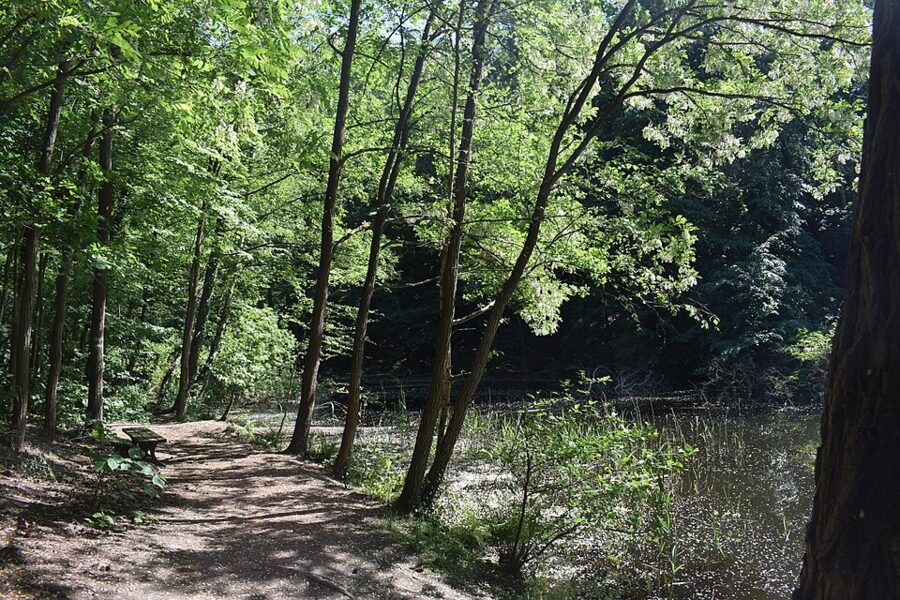
The clay pits left a landscape that looks nothing like Brandenburg. The Glindower Alpen, the Glindow Alps, are the spoil heaps and pits of the old clay workings, now overgrown and protected as a nature reserve, with steep little hills, gullies and ponds. The town suggests a 7.2 km circuit that starts in Petzow and climbs through the woods into the Alps and back.

Petzow: a manor, a church and a lake in a park
At the southern tip of the Glindower See, between it and the Schwielowsee, lies Petzow, a village that belongs to Werder and looks as if it had been arranged for a painting. In a sense it was. The Kaehne family, who held the estate from 1814 and ran brickworks of their own, built a manor house around 1825 in a mix of English Tudor and castle styles, laid out a landscape park around a small lake, the Haussee, and rebuilt the village to match, down to the decorated gables and chimney pots.
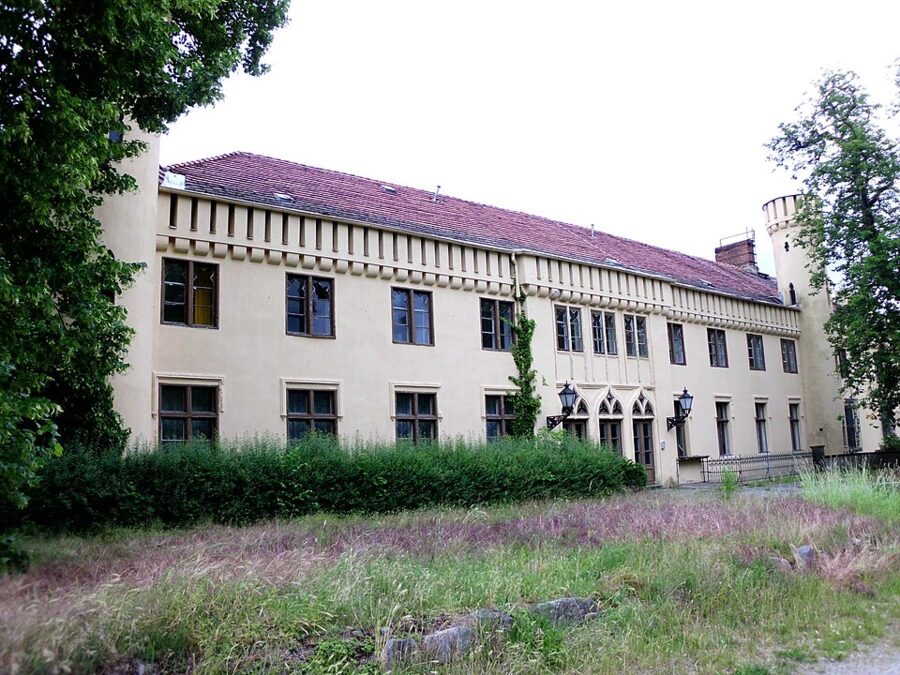
Whether Schinkel designed the manor is an open question. Many accounts say he did, but scholars disagree, and the attribution rests mainly on family tradition and a note by Fontane. The park is attributed to Peter Joseph Lenné. Among its older buildings are a fisherman’s house of 1818 and the wash house of about 1820, built on the shore so that it would be reflected in the Haussee.
The village church on the Grelleberg is certainly Schinkel’s. He drew it in 1838, the foundation stone was laid on October 4, 1840 on the orders of Frederick William IV, who insisted on Schinkel’s design when the government wanted something cheaper, and it was built in 1841 and 1842 in handmade bricks: greenish from the Kaehnes’ own kilns at the base, red from Rathenow for the cornices, yellow for the walls. Schinkel, already gravely ill, died on October 9, 1841 and never saw it consecrated.
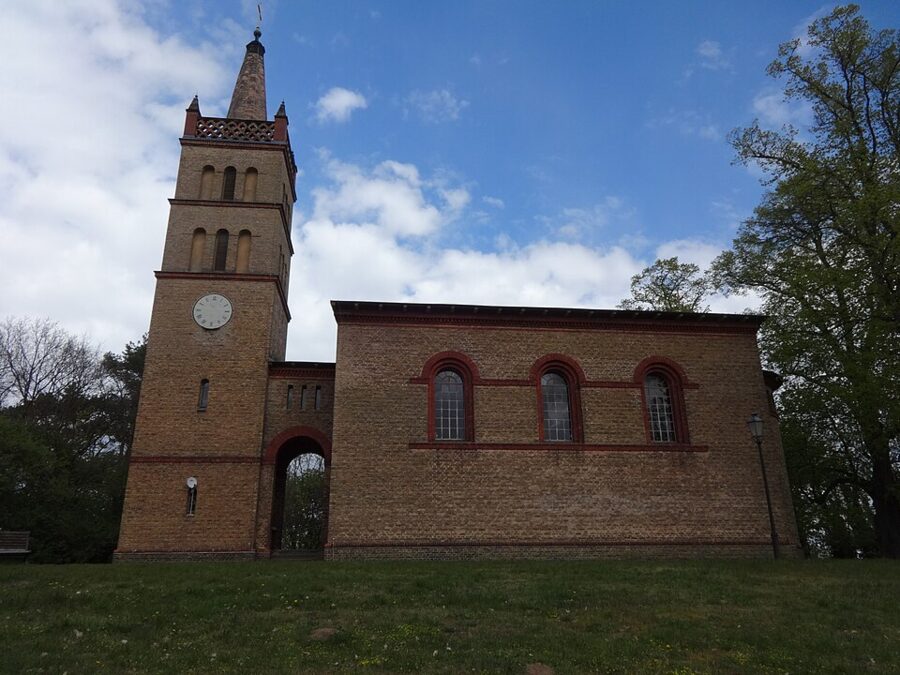

The church stands on a rise outside the village because the first site, near the old church opposite the manor, turned out to need foundations 9 to 12 m deep. Vandalism after 1945 and a lightning strike in 1956 left it badly damaged, and it was restored from 1984 to 1994 and reopened to the public on October 30, 1994. The tower has a viewing platform with the best panorama in the area: the Glindower See to the north, the park and the Haussee below, the Schwielowsee to the southeast.

The Kaehnes did not stay a picture-book family. One of them earned the nickname Schieß-Kaehne, Shooting Kaehne, for firing at trespassers, and Kurt Tucholsky mocked him in a poem in the Weltbühne. The last owner, Carl von Kaehne, a Nazi party member since 1931, shot the engineer Alfred Mehlhemmer in 1943 under circumstances never cleared up; a memorial stone and plaque now stand at the spot in the park. Kaehne died in 1946 in the Soviet special camp at Sachsenhausen, and the estate was expropriated in the land reform.
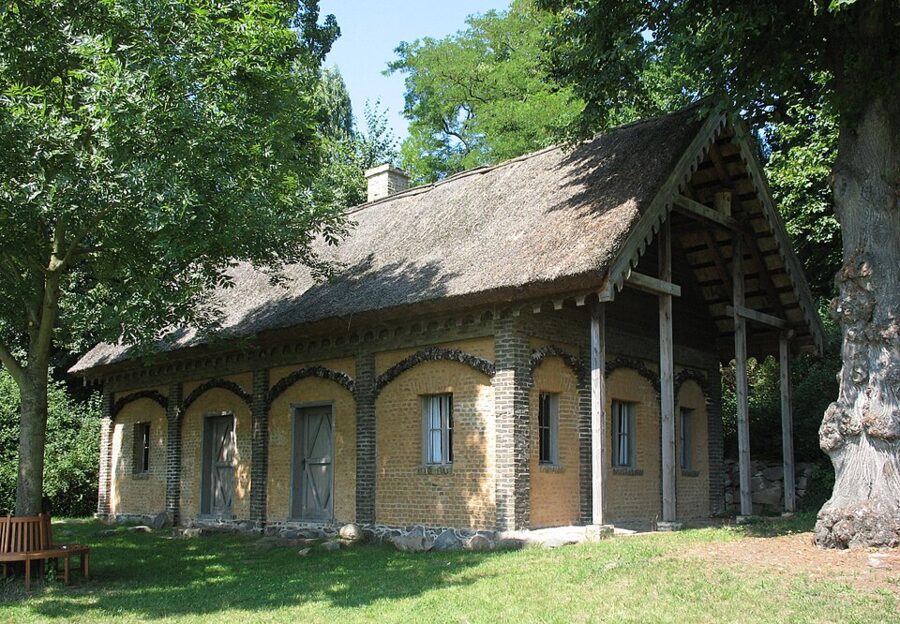

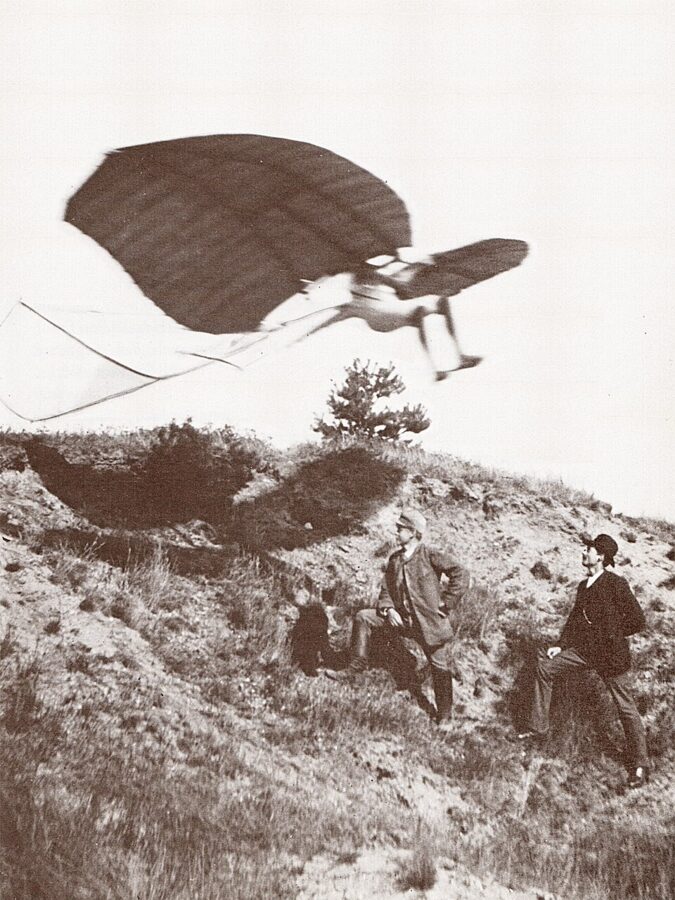
The Waschhaus museum is the place to start a walk round the park. At the park entrance, the Café Drei Kähne, at Zelterstraße 10, serves coffee and cake on Saturdays and Sundays from 13:00 to 18:00, with fruit and vegetables from the Schlossgarten Petzow in season. Bus 607 from Werder station or Potsdam Hauptbahnhof stops at Petzow Schlosspark. From Petzow the Panoramaweg Werderobst, a signposted orchard trail of about 22 km, runs past the Glindower See, the Glindower Alpen and the brick museum to the Lilienthal memorial at Derwitz, where Otto Lilienthal made his first gliding flights in 1891.
Across the water from Petzow lies Caputh, with Einstein’s summer house and its own small palace; the Caputh guide covers it, and the Weiße Flotte boats on the Havel lakes route call at both.
Where to eat and drink in Werder
Werder eats fish and drinks fruit wine, and the island has the best of both. For the rest of the area, the Potsdam restaurants guide covers the city.
For the best meal in town, book the Alte Überfahrt, at Fischerstraße 48b on the island promenade, in a listed building from around 1900 opposite the ferry landing. It holds a Michelin star and cooks around vegetables, with fish and meat from local suppliers on the side; the fruit and vegetables come from the kitchen garden of the Schlossgarten Petzow. It opens Tuesday to Friday 18:00 to 22:00, and on Saturday and Sunday 12:00 to 15:00 and 18:00 to 22:00.
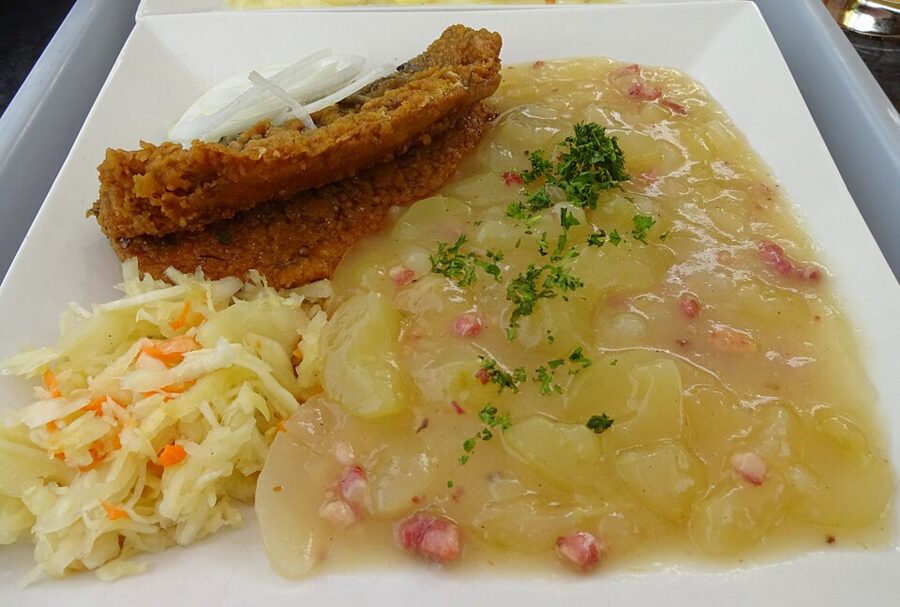

For fish by the water, the Inselterrassen Arielle, at Fischerstraße 33, smokes its own fish and has a beer garden on the Havel, open from March to October in good weather. In late 2026 the restaurant itself was open Friday to Sunday, 11:30 to 19:30. It is the classic Werder lunch: a plate of fried or smoked fish, a beer and the boats going by.
For cake, go to the Café & Brasserie Hagemeister, at Baderstraße 3 on the island, named after the painter. It serves breakfast until 11:30, cakes such as cherry and egg liqueur, poppy seed and vanilla, and gooseberry meringue, its own coffee and fruit wines from Werder. It is closed on Monday and Tuesday and open Wednesday, Thursday and Sunday 09:00 to 18:00, Friday and Saturday 09:00 to 21:00.
The family-run Hotel zur Insel, at Am Markt 6, has a restaurant with regional cooking in the middle of the old town and rooms looking over the island gardens. For more beds in Werder and around the lakes, see where to stay in Potsdam; overnight guests in Werder usually pay a small spa tax, the Kurbeitrag.
Werder holds its own Christmas market on the island market square on the first weekend of Advent, November 27 to 29 in 2026, with stalls, mulled wine and a stage. It is small and local, a pleasant hour if you are in town; for a full evening of markets, the Potsdam Christmas markets are a short train ride away.
Getting to Werder by train, boat and bike
The regional express RE1, the line from Cottbus through Berlin to Magdeburg, stops at Werder (Havel). It calls at Berlin Ostbahnhof, Alexanderplatz, Friedrichstraße, Zoologischer Garten, Hauptbahnhof (main station) and Wannsee, then at Potsdam Hauptbahnhof, and takes about 40 minutes from Berlin Hauptbahnhof. Werder lies in fare zone C, so a single ticket Berlin ABC covers the trip: €5.00 in 2026 and €5.20 from January 1, 2027, or €12.90 and €13.20 for a 24-hour ticket Berlin ABC. The Deutschlandticket is valid too, and the day trip from Berlin guide explains the tickets in detail.
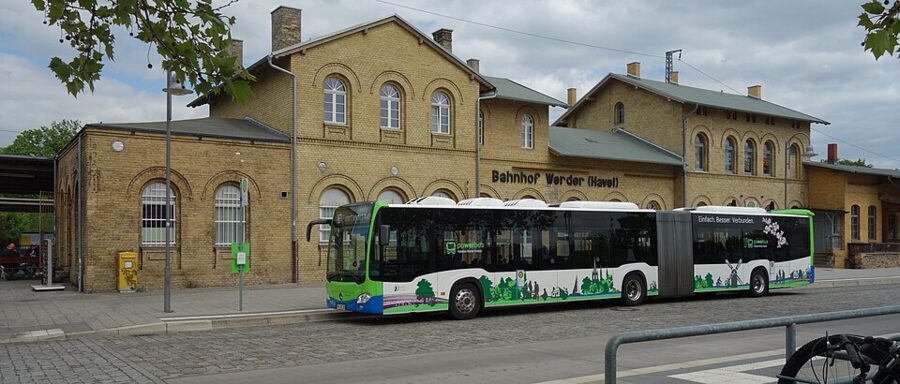

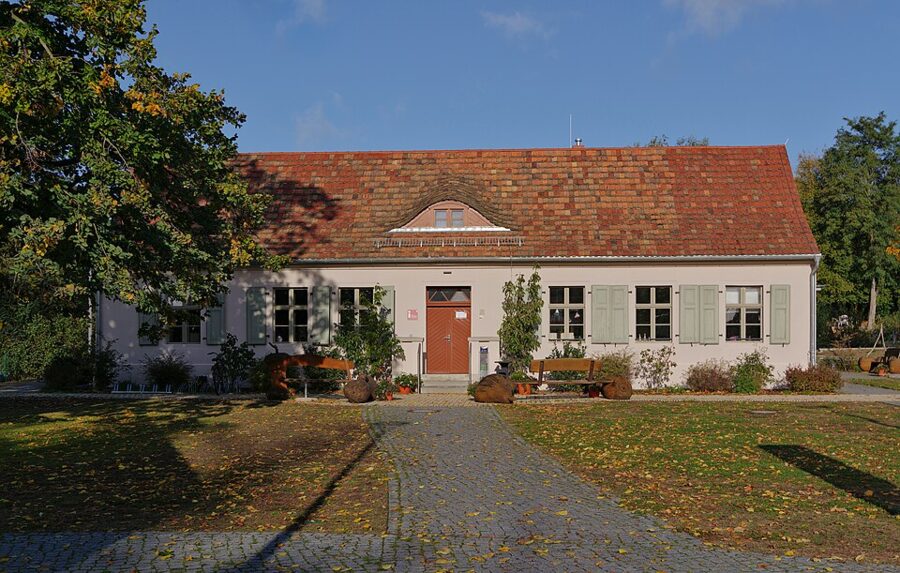
From Potsdam you can also come by bus: lines 580, 607 and 631 run to Werder, and the 607 goes by way of Caputh and Ferch, according to the tourist office’s travel page. The tourist office itself is in the Lindowsches Haus at Plantagenplatz 9. From April 15 to October 15 it opens Monday to Friday 10:00 to 17:00 and Saturday 11:00 to 15:00; from October 16 to April 14, Monday to Friday 10:00 to 16:00.

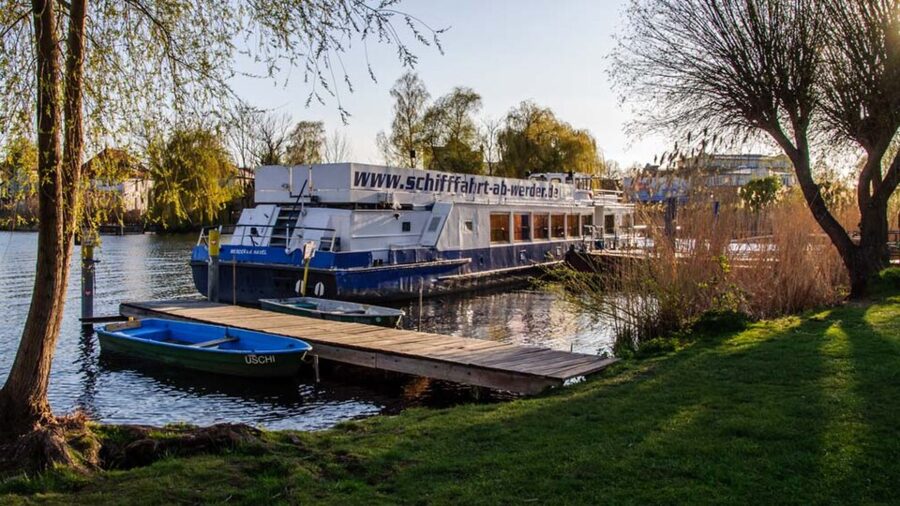
By boat, the Weiße Flotte’s Havel lakes round trip sails from Potsdam’s Lange Brücke via Caputh and Geltow to the island promenade at Werder and back, with adult tickets from €29; from Thursday to Saturday it also calls at Petzow and Ferch. In Werder itself, the excursion ship MS Bismarckhöhe sails in season from the landing on the Föhse, round the island and out to Potsdam, Berlin or Brandenburg an der Havel.

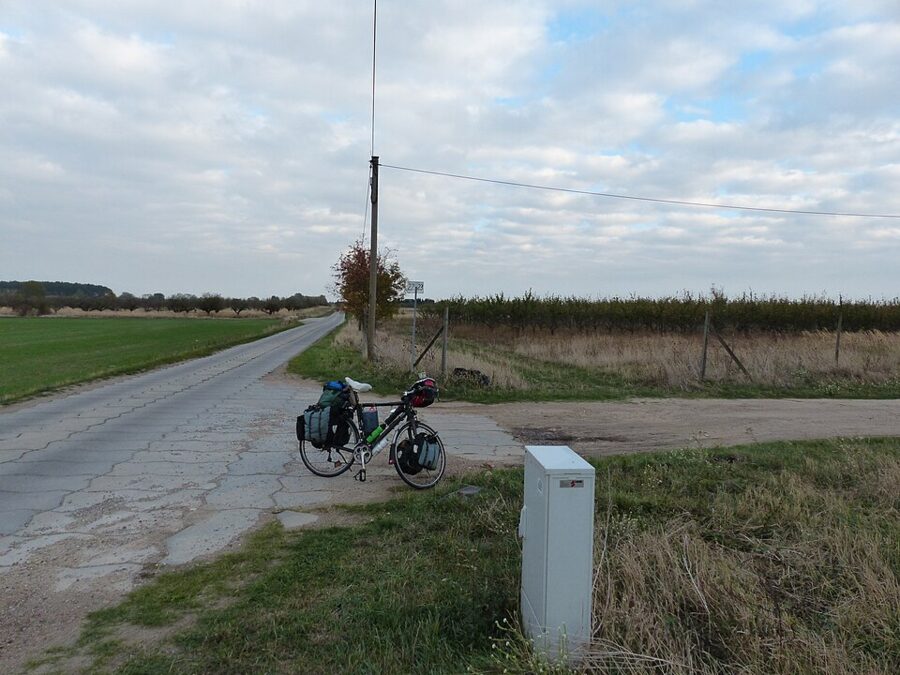
By bike, Werder is an easy ride on the Havel cycle route, the Havelradweg, which runs from Berlin-Spandau via Wannsee and Potsdam to Werder and on to Brandenburg an der Havel. In town there are three Nextbike stations, at the station, on Plantagenplatz near the tourist office and in Petzow, so you can ride the orchard trail one way and leave the bike at the other end. The tourist office has a repair station for bikes.
A day in Werder
Take an RE1 to Werder in the morning and walk or ride down to Plantagenplatz. Pick up a map at the tourist office, look into the Schuffelgärten behind it, and cross the Inselbrücke onto the island. Walk up to the market, the church and the mill, then down Fischerstraße to the water. Lunch is fish at the Arielle or a long table at the Alte Überfahrt.
In the afternoon, choose between hills and water. Uphill, the Hoher Weg leads to the Bismarckhöhe, its tower and its view, and on from there past the vineyards to the Wachtelberg. On the water, take the MS Bismarckhöhe round the island, or ride a Nextbike along the Glindower See to Petzow, climb the church tower, walk the park and stop at the brick museum in Glindow on the way back if it is a weekend between April and October.
For more ideas around the city, the things to do in Potsdam list puts Werder in its place among the palaces and parks. Werder is a fine half day on its own, and an easy addition to a day of lakes and boats.
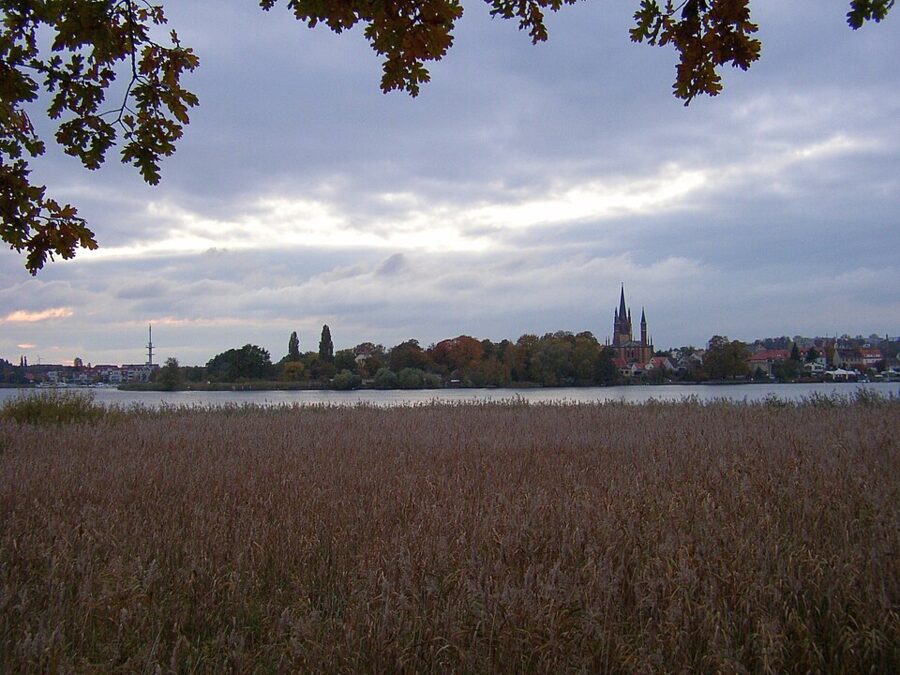

By evening the island goes quiet again, the way it did after the last special train left in May 1879. Stand on the Mühlenberg as the light goes and the view is the one Wilhelm Wils sold to Berlin: the river on every side, the church above the roofs and, in April, the hills behind the town white with blossom.