

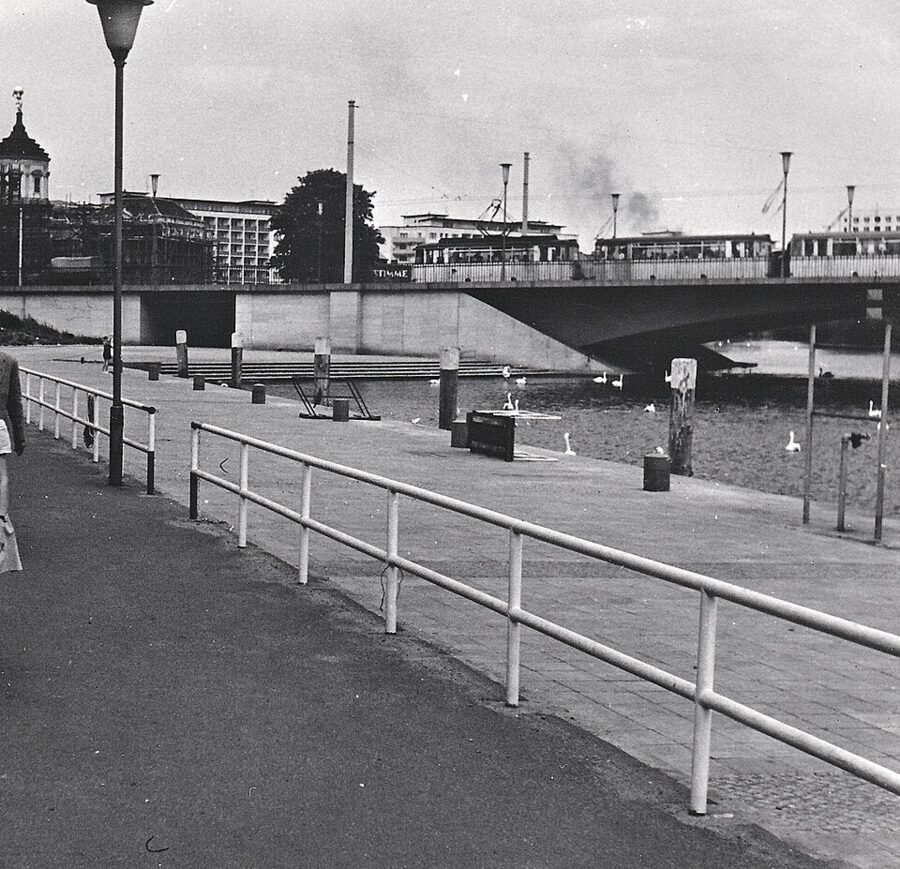
On March 3, 1990, a passenger boat from Potsdam tied up at Wannsee for the first time since the Wall went up. For 28 years the Havel had been cut in two at the Glienicke Bridge, and the boats of the East German Weiße Flotte could only turn their backs on Berlin and sail south toward Werder. The palaces along the water had been placed for exactly the trip they could no longer make.
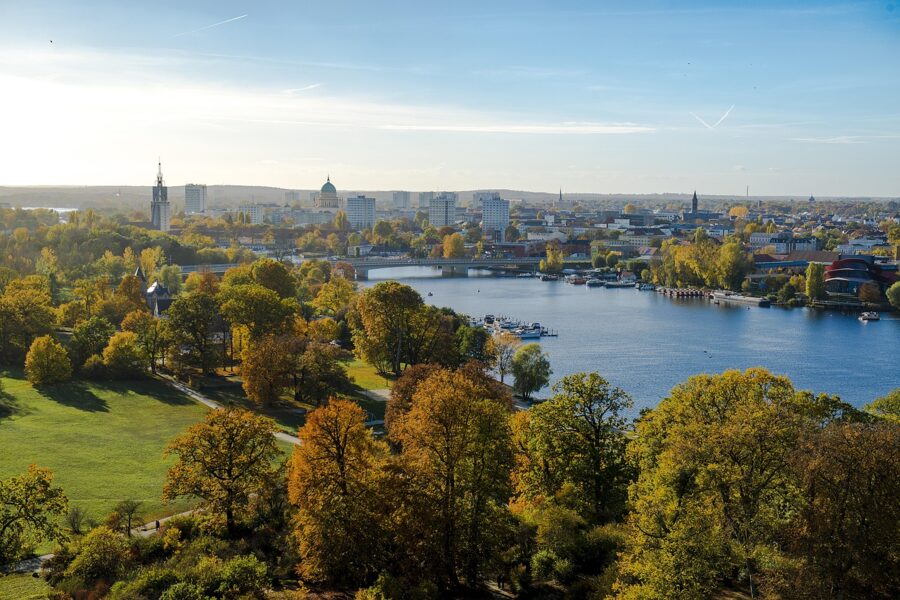
That trip is open again, and it is the best way to understand why Potsdam looks the way it does. Babelsberg Palace, the Church of the Redeemer at Sacrow and the castle on Peacock Island were all built to be seen across water, from a boat or from another palace on the far shore. The Havel widens into a chain of lakes around the town (the whole web is in my guide to Potsdam’s lakes), and two companies run boats across them from spring to autumn, with a thinner program in Advent.

If you have one afternoon, take the 90-minute palace loop from the Lange Brücke for €23. If you are coming from Berlin, take the Stern und Kreis boat from Wannsee one way and the S-Bahn back. If the weather is good and you have four hours, sail all the way around Potsdam on the island round trip. And if it is late April, go to Werder for the blossom.

Contents11 parts
- Who runs the boats, and where they leave from
- The palace loop: 90 minutes for €23
- What the water shows that the land does not
- The Wannsee lines
- The island round trip: four hours around Potsdam
- Werder, Caputh and the Schwielowsee
- The city tour, the water taxi and a palace day
- Public ferries and boats you steer yourself
- Season, winter and the boats in Advent
- Tickets, children, bikes, dogs and access
- Which boat for which day
Who runs the boats, and where they leave from
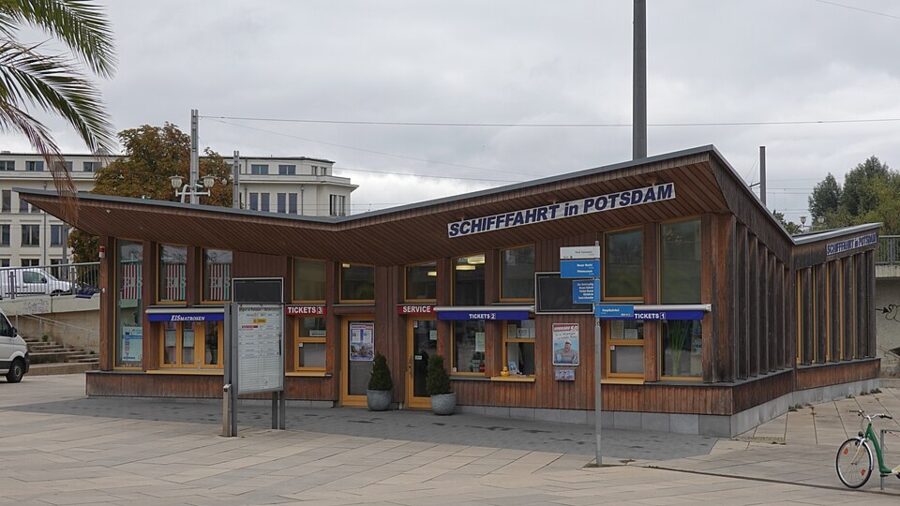
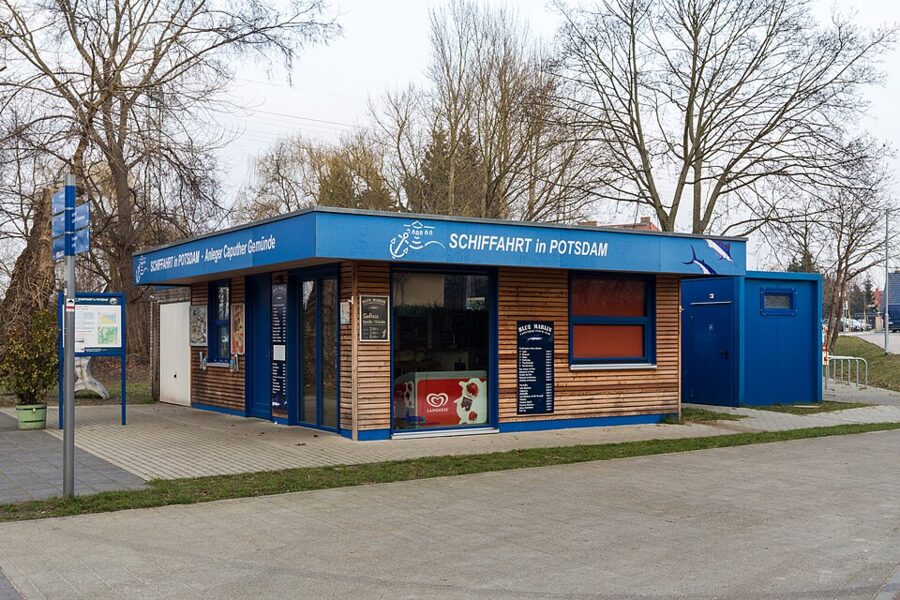
The Weiße Flotte Potsdam (also trading as Schifffahrt in Potsdam) is the town’s own fleet. It began on January 1, 1959, when the GDR handed the steamers stationed in Potsdam to the city transport company, was spun off as a limited company in 1994 and privatized in 2000. Its boats tie up at the harbor by the Lange Brücke, on the old-town side of the river below the rebuilt Stadtschloss, next to the Hotel Mercure. It is about five minutes on foot from Potsdam Hauptbahnhof (the main station).
The counters in the harbor building open 30 minutes before the first departure and stay open until the last. Boarding starts 15 to 20 minutes before a boat leaves, and seats are free choice inside or on deck, except on the dinner and party cruises, where you book a place at a table. The same boats stop at landings around the lakes: Schiffbauergasse, Glienicker Brücke, Sacrow Heilandskirche, Berlin Wannsee, Caputh, Petzow, Ferch, Geltow and Werder. To board at one of these, stand where the crew can see you on the jetty.
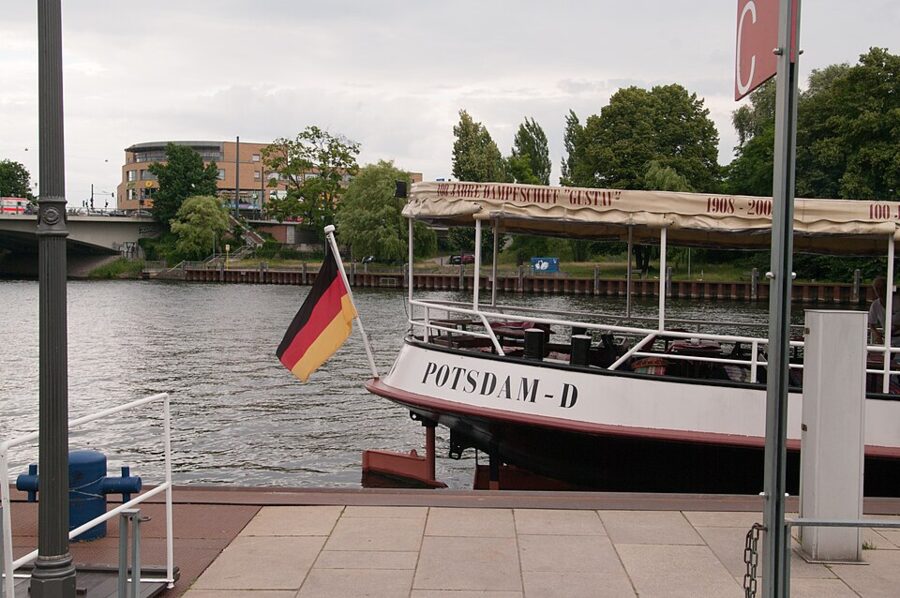

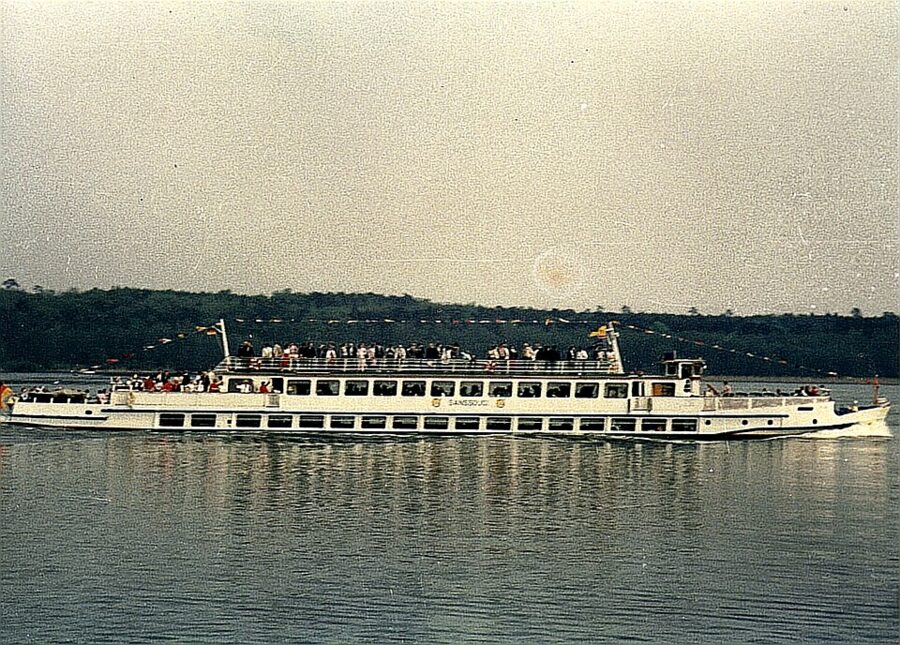
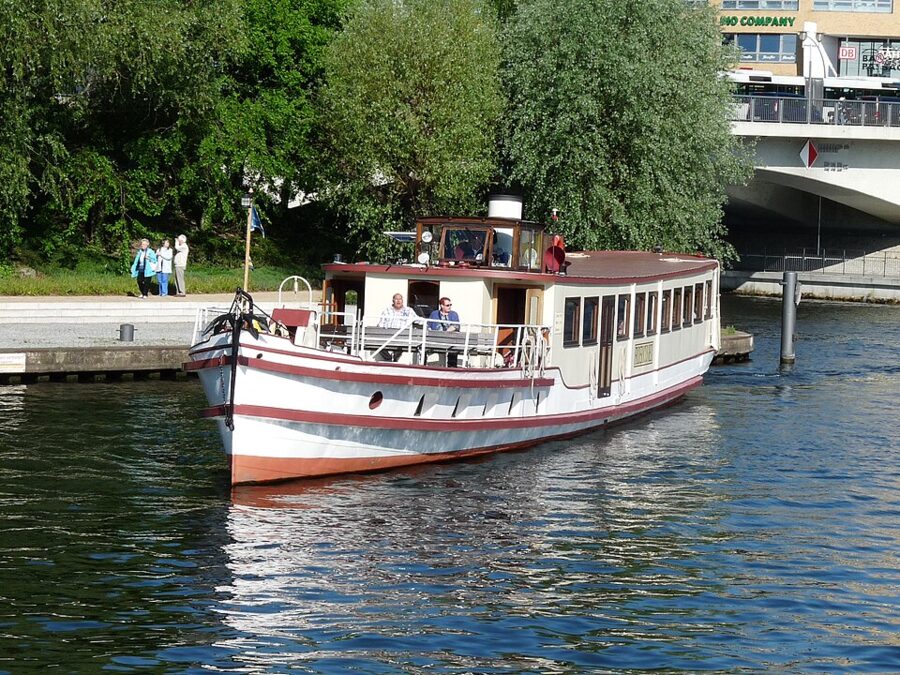
The fleet is worth knowing, because the boat changes the trip. The Weiße Flotte’s fleet list runs from the 1920s salon boat Fridericus Rex to MS Schwielowsee, which entered service in 2019 with a hybrid drive that can run on batteries alone. MS Sanssouci and MS Schwielowsee are wheelchair-accessible and air-conditioned; MS Königswald has big panorama windows that suit winter trips. The steamer Gustav is back in service thanks largely to its owner, Maximilian Möwert-Schulz, who joined the company’s management in early 2026.
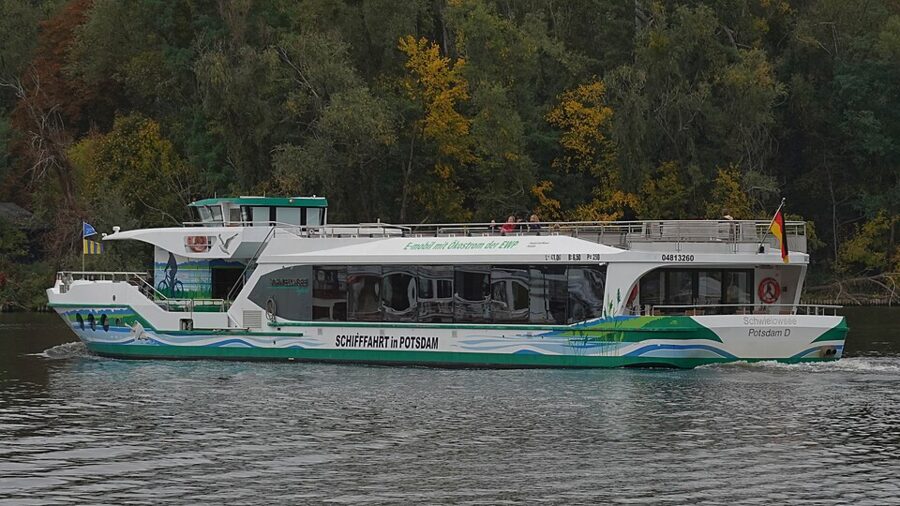

The second company sails from Berlin. Stern und Kreis, the big Berlin excursion line, runs its Havel boats from the landing at Kronprinzessinnenweg 5–6, five minutes on foot from S-Bahn Wannsee, and two of its routes reach Potsdam. The two firms share a family tree: both descend from the Stern steamship company founded in 1888, which ran a five-hour cruise around Potsdam before the First World War for one mark. After 1945 the company withdrew to West Berlin, and its Potsdam boats became the core of the Weiße Flotte.
The palace loop: 90 minutes for €23
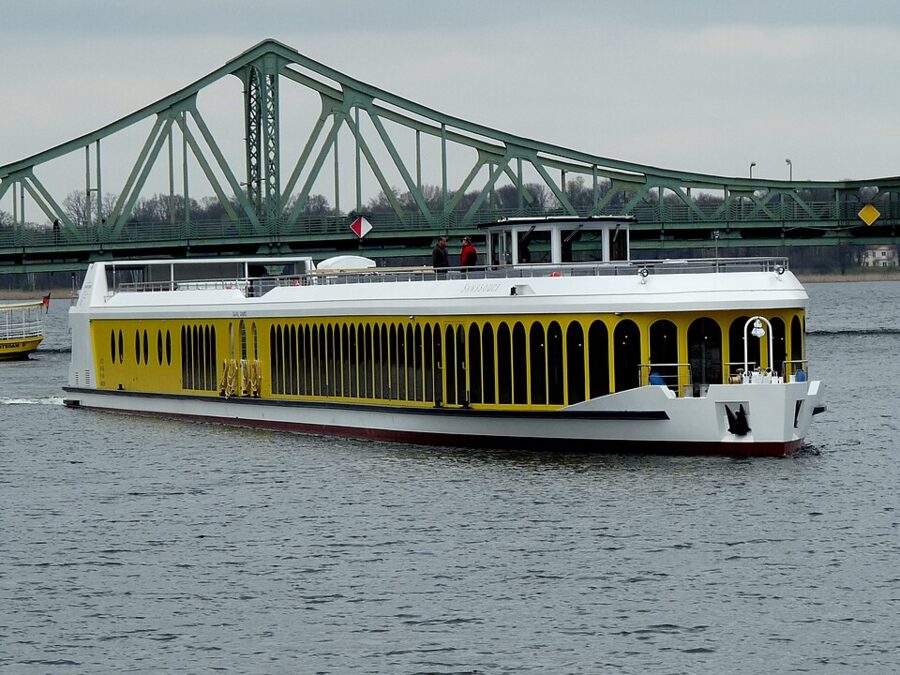
The palace loop (Schlösserrundfahrt) is the boat most people mean when they say they took a boat in Potsdam, and for a first trip it is the right one. It leaves the Lange Brücke, calls at Schiffbauergasse on the way, runs up the Tiefer See past Park Babelsberg, passes under the Glienicke Bridge onto the Jungfernsee and comes back the same way. Adult tickets start at €23, the commentary is in German and English, and the 2027 timetable already lists weekend sailings from February 27 at 11:00, 13:00 and 15:00, on MS Schwielowsee.
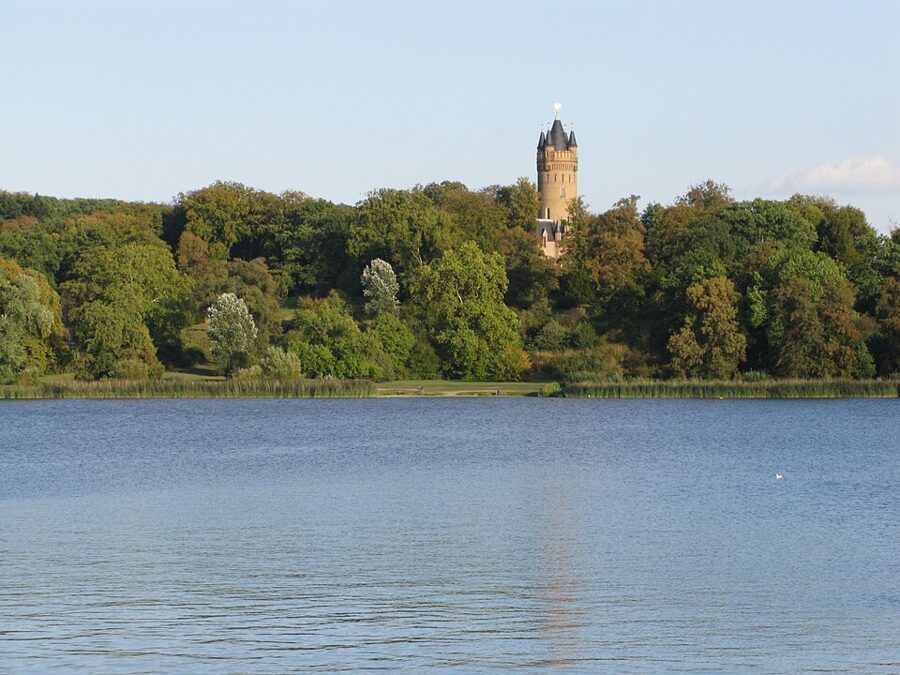
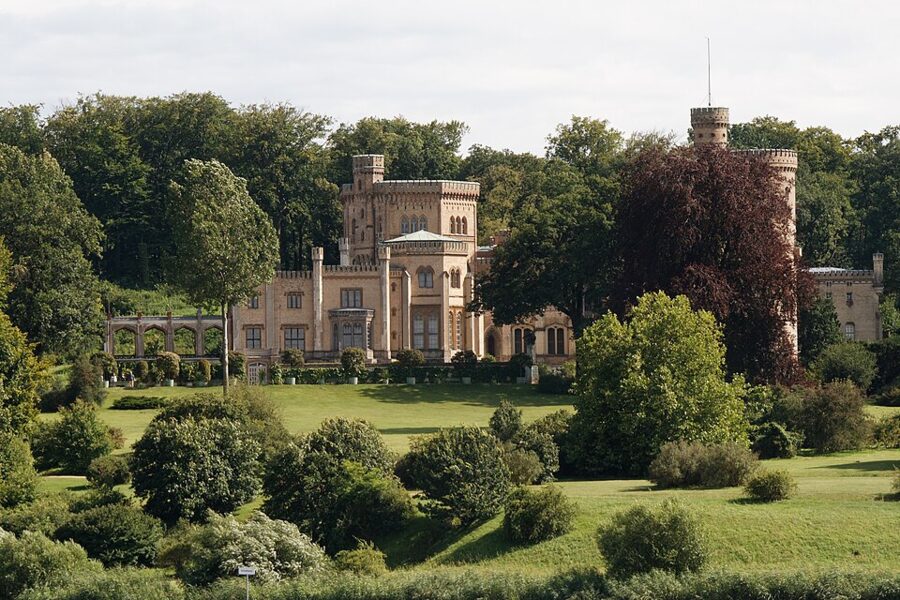
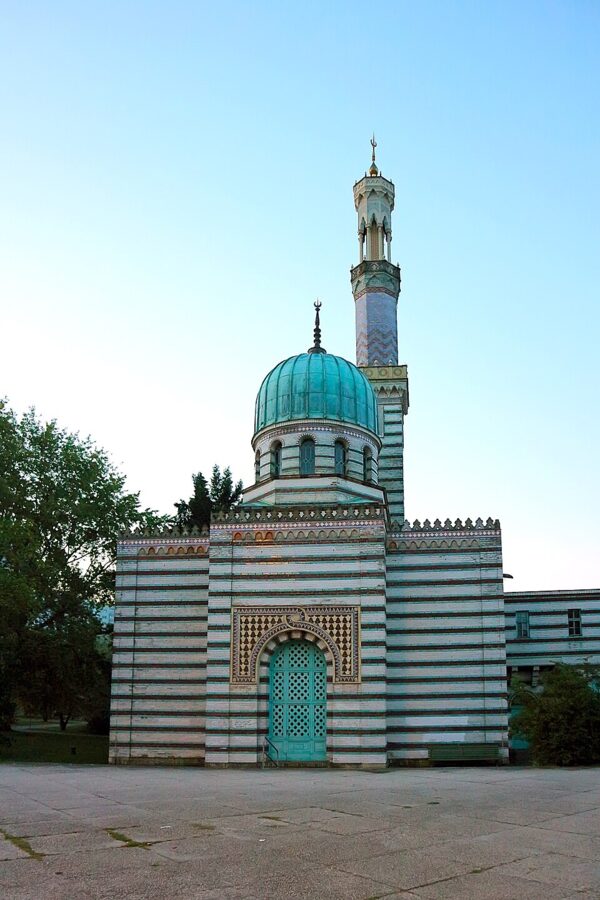
Sit on the right going out. Once you clear the Humboldtbrücke, the wooded slope on that side is Park Babelsberg, and the boat runs its whole length: the Flatow Tower on the ridge, the palace itself, pale and turreted above its lawns, and the steam engine house at the water’s edge.

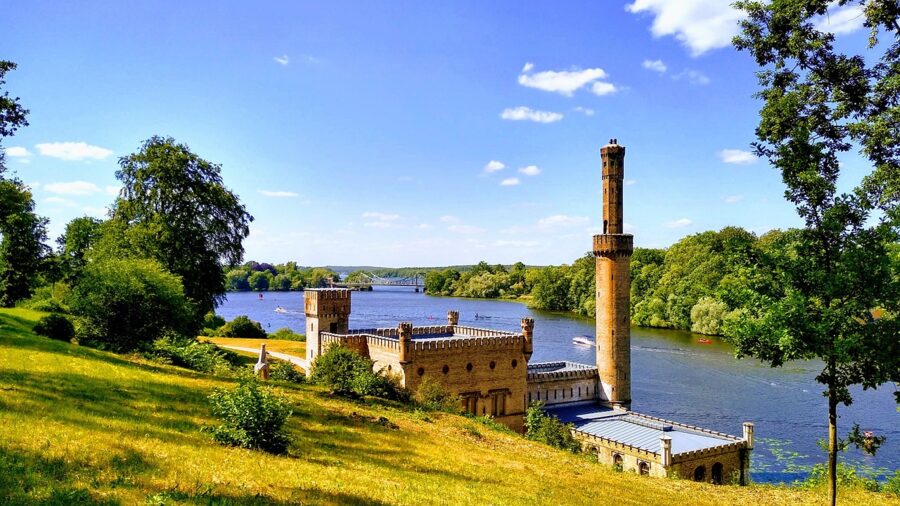
The steam engine house is the reveal on this stretch. It looks like a small fortress with a chimney dressed as a castle keep, and it was a pump house that lifted Havel water up the slope for the fountains and lawns of the park. Potsdam does this more than once: a pump house in Sanssouci is dressed as a mosque, and you see it from the city tour.

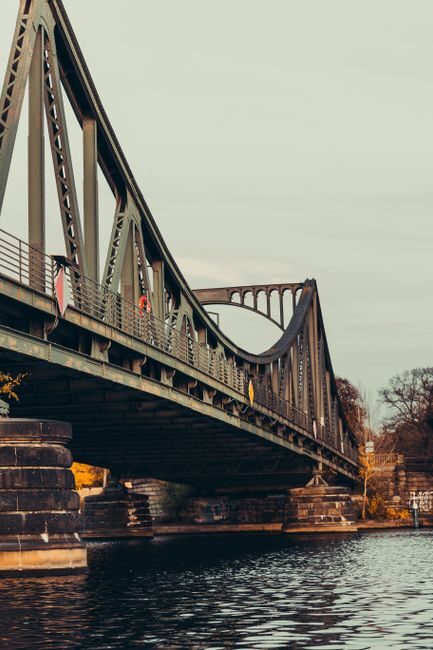
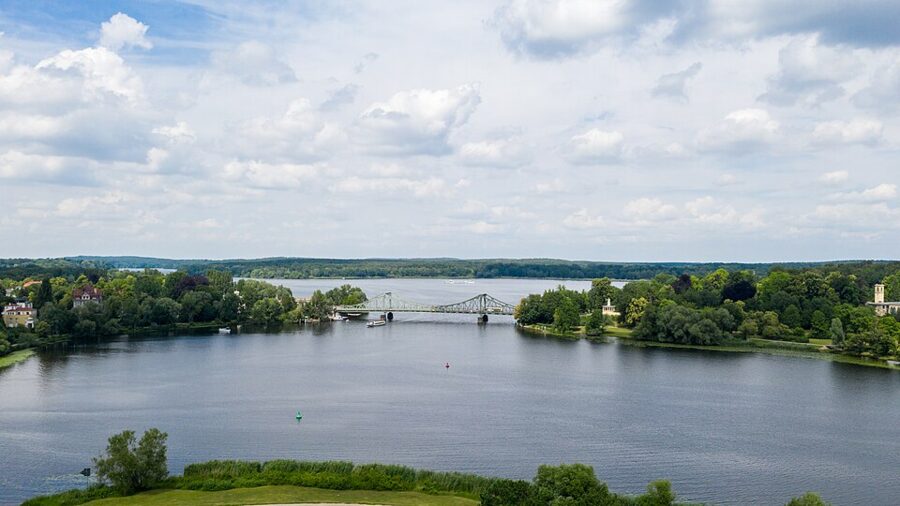
Then the bridge. The Glienicke Bridge, where the superpowers exchanged their spies, is lower than you expect from the films; the boat slides under it in a few seconds and the Jungfernsee opens up ahead. On the right bank stands the casino in the park of Glienicke Palace, on the left the shore of the Neuer Garten, and far ahead, on a spit of land, the campanile of Sacrow.

The loop is short enough to fit before or after a palace, which is its strength. It is also the boat on which the family ticket works: €57.50 for parents with up to five children under 15, or €34.50 for one parent with up to three, Monday to Friday and on the 10:00 sailing at weekends.
What the water shows that the land does not
The Prussian kings and their gardeners treated the Havel as the floor of a single stage. Lenné and Persius placed buildings so that each answered another across the water, and the result became part of the UNESCO World Heritage site of the palaces and parks of Potsdam and Berlin in 1990. On land you see one piece at a time. From a boat on the Jungfernsee you see the composition, which is why the overview of Potsdam’s palaces makes more sense after an hour on deck.
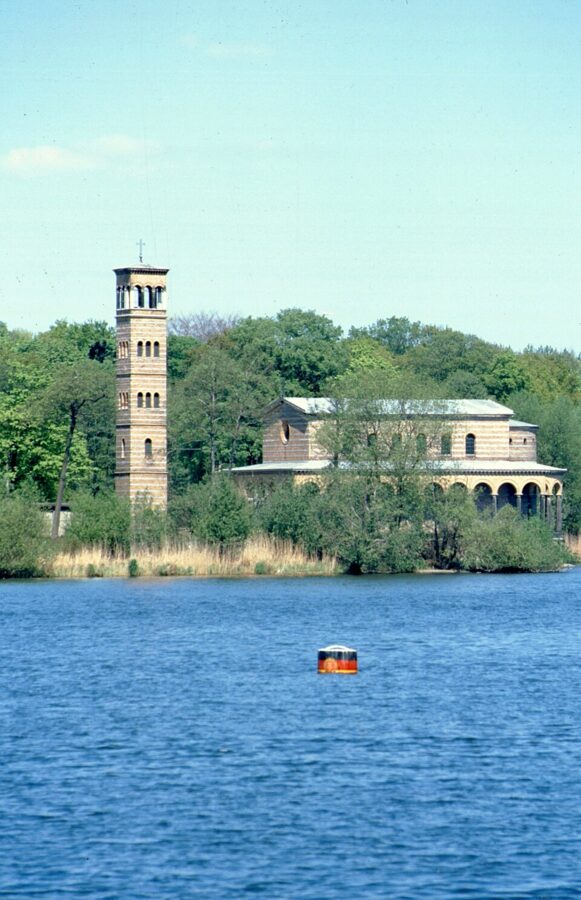
The clearest case is the Church of the Redeemer (Heilandskirche) at Sacrow. Frederick William IV (Friedrich Wilhelm IV) sketched an Italian church with a free-standing bell tower, and Ludwig Persius built it in 1844 on a terrace that juts into the Jungfernsee. Persius wanted to call it “The Ship”. By road it is more than 10 km from the center of Potsdam; from the Glienicke Bridge it is 1.2 km across the water, which tells you which way it was meant to be approached.
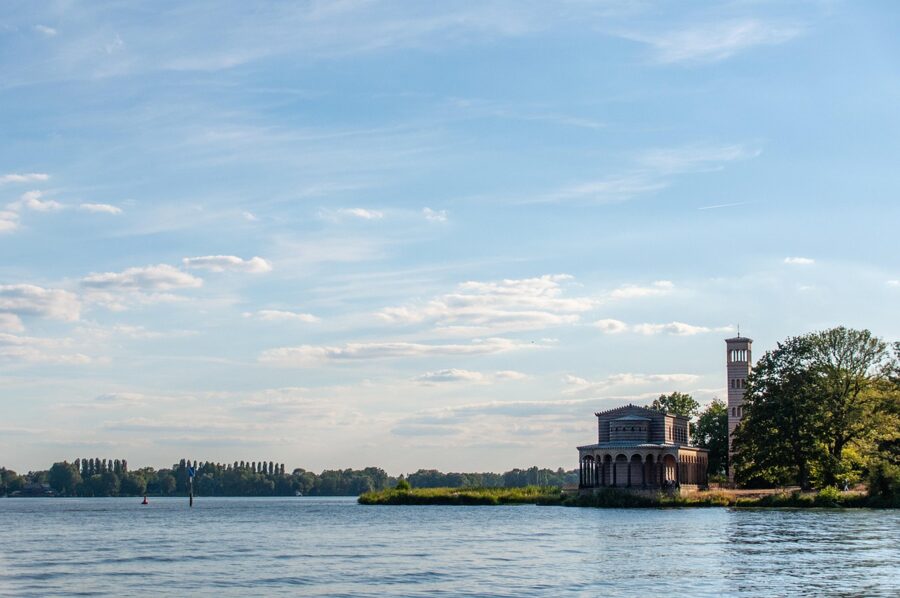
For 28 years the church stood inside the death strip. The border ran down the Havel in front of it, the Wall behind it, and the building decayed where no one could reach it. Seen from a West Berlin excursion boat in 1989, it was a ruin with a border buoy in the foreground. It was restored after 1990 and added to the World Heritage site in 1992.

The second sightline runs between the Marble Palace in the Neuer Garten and the castle on Peacock Island (Pfaueninsel), a few kilometers apart across the Havel. Frederick William II built both, and from either one the other is the view. Most boats only show you one end, but the Stern und Kreis boats from Wannsee pass the island close enough to see that its castle is a stage flat: timber painted to look like a ruined stone fortress.
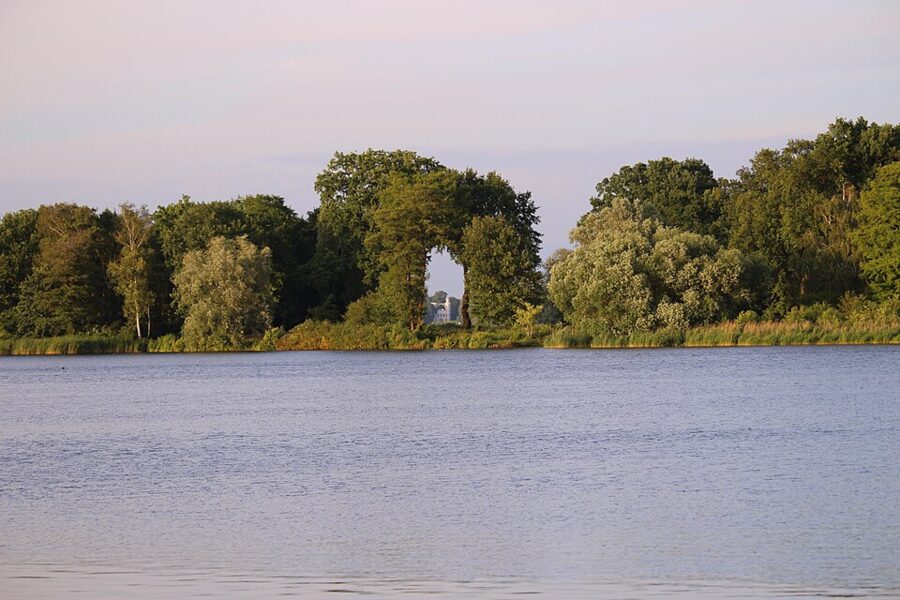

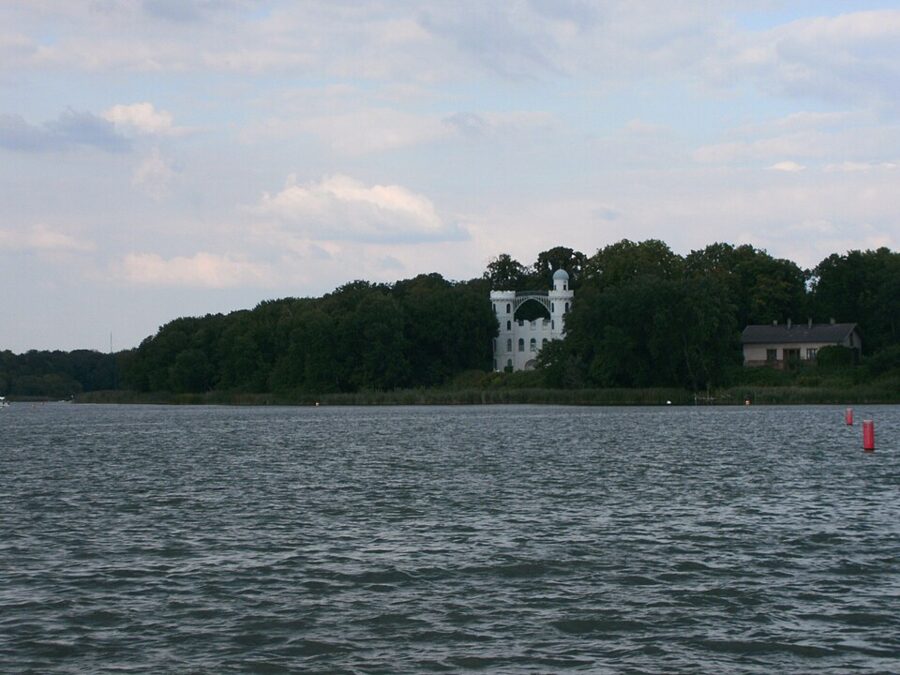

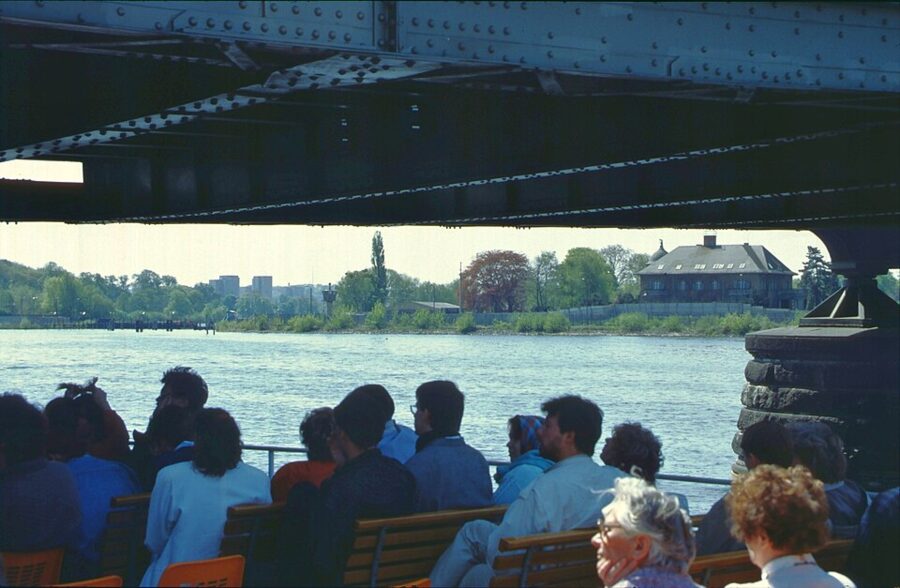
The third thing the water shows is the border itself. The Wall ran along the Babelsberg shore and down the middle of the Griebnitzsee, and boats from West Berlin sailed right up to it. On the Babelsberg bank you can still see where the patrol road ran.

The Wannsee lines
Between Potsdam and Wannsee there are two routes, and they show different things. The northern one runs up the Havel past Sacrow and Peacock Island. The southern one goes through a chain of smaller lakes and canals: the Griebnitzsee, the Stölpchensee, the Pohlesee and the Kleiner Wannsee, a waterway cut in 1901–1906 alongside the Teltow Canal.
Weiße Flotte: the Wannsee round trip from Potsdam
The Wannsee round trip (Wannseerundfahrt) takes two hours and costs from €25. It leaves the Lange Brücke past Park Babelsberg, then turns into the Griebnitzsee, the lake the Wall split down the middle. In 1962 a man named Günter Wiedenhöft drowned trying to swim across it to the West. Today the south shore is lined with restored villas, some built for the stars of the UFA film studios, among them the house where Harry Truman stayed during the Potsdam Conference.
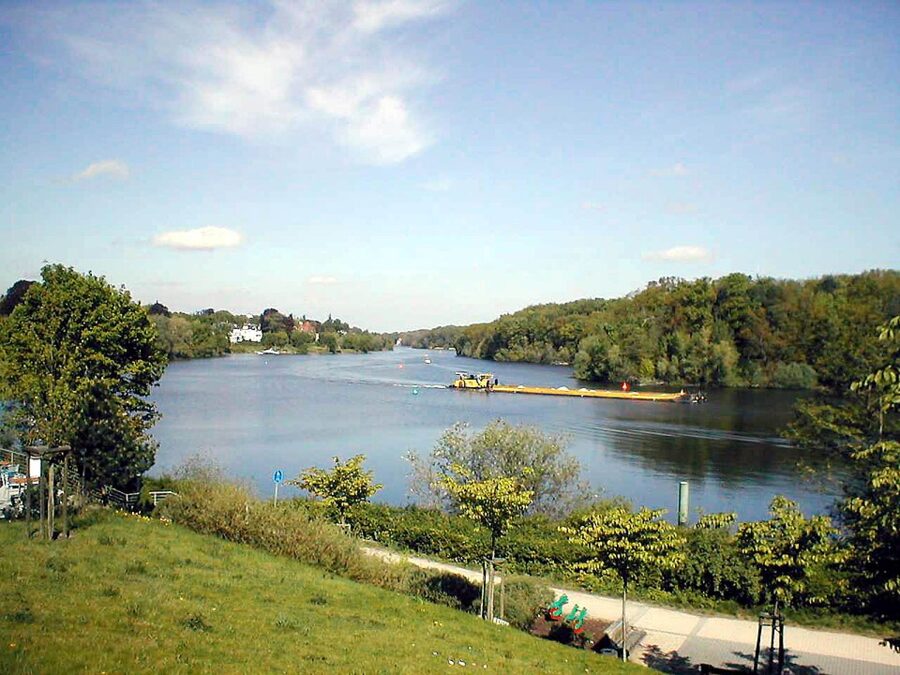

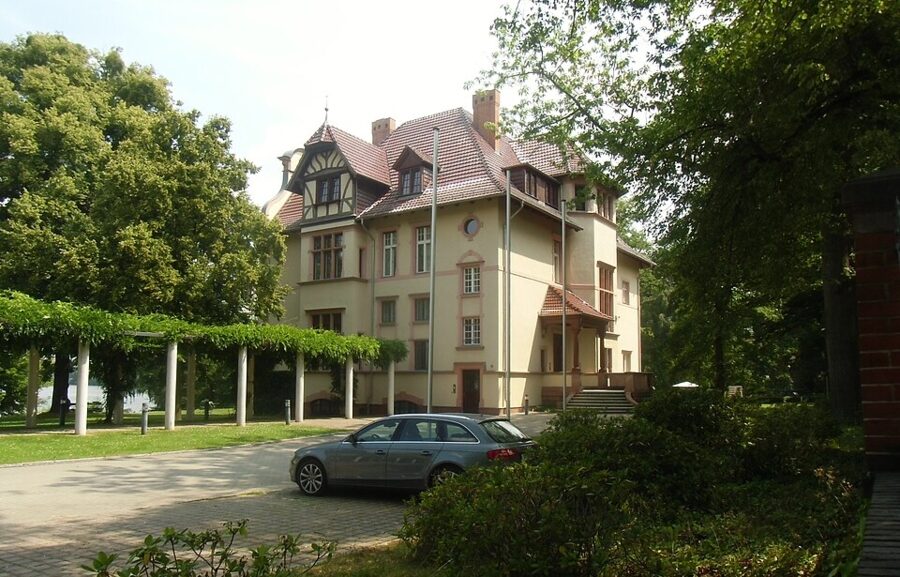

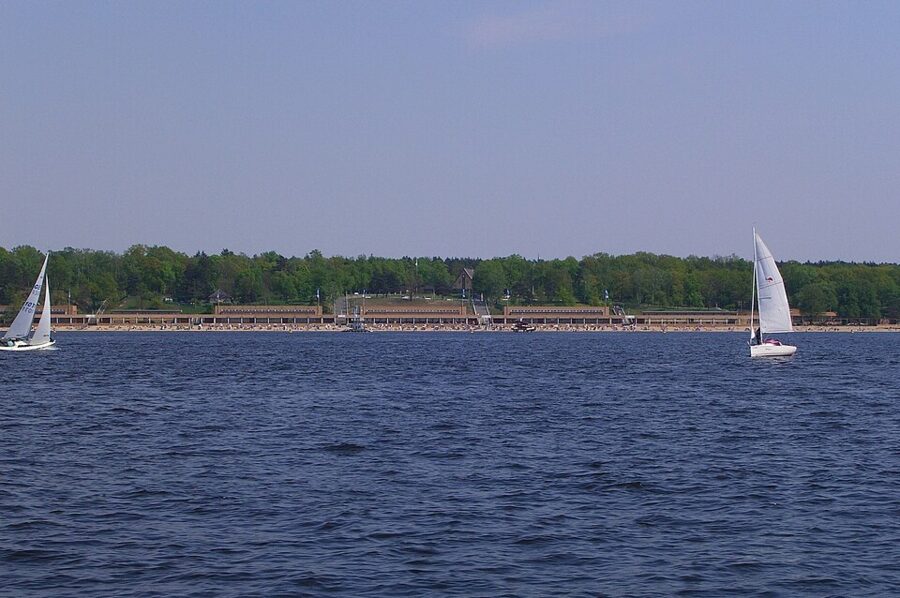
From the Griebnitzsee the boat runs through the narrow lakes to the Großer Wannsee and its famous lido, stops briefly near S-Bahn Wannsee, then comes back via Sacrow and under the Glienicke Bridge. The first sailing listed for 2027 is on April 5 at 16:00. On summer evenings the same route runs as a two-and-a-half-hour evening cruise from €32, leaving at 19:00 on MS Königswald; the first is on April 23, 2027.


Stern und Kreis: the Seven Lakes Tour and the World Heritage cruise
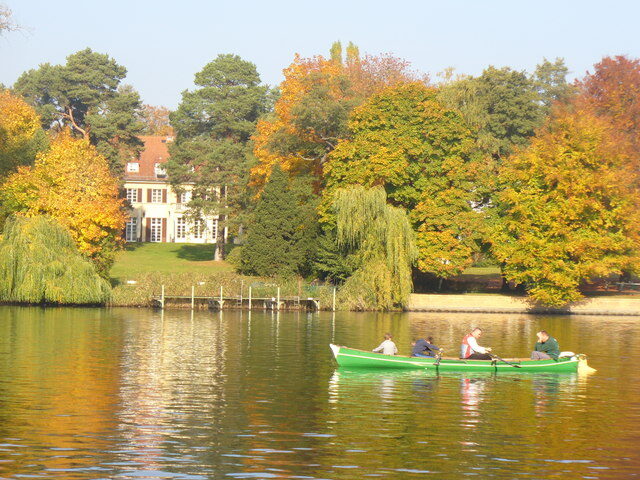
Stern und Kreis runs both routes from the Wannsee side. The Seven Lakes Tour (7-Seen-Tour, line H1) takes about 1¾ hours: through the Kleiner Wannsee, Pohlesee and Stölpchensee, along the Griebnitzsee, under the Glienicke Bridge, past Moorlake and Peacock Island, and back across the Großer Wannsee. It costs from €20.50 round trip or €11.50 one way. In 2026 boats left Wannsee up to hourly from 10:30, calling at Kohlhasenbrück, Griebnitzsee station, the Glienicke Bridge and the landing opposite Peacock Island; the 2027 timetable starts on March 20.
The Seven Lakes boat never reaches the Lange Brücke, so it is a Berlin outing that brushes Potsdam. The one that actually links the two cities is the World Heritage cruise from Wannsee (Weltkulturerbefahrt, line H2).
It leaves Wannsee at 11:15 and 14:20, calls at Kladow and the Peacock Island landing, stops at the Cecilienhof landing below the Neuer Garten an hour after leaving, and reaches the Lange Brücke about 1 hour 45 minutes out. The return leaves the Lange Brücke at 13:00 and about 16:00. Fares start at €24.50 round trip and €18.50 one way.
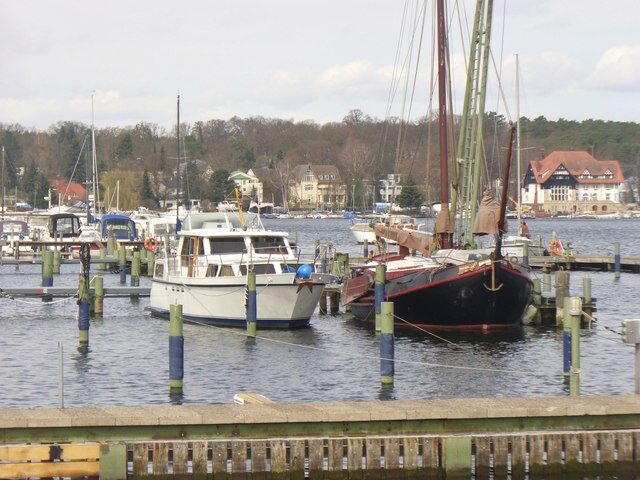

I would use the World Heritage boat one way. Take the 11:15 from Wannsee, get off at the Cecilienhof landing for the Neuer Garten or ride on to the Lange Brücke for the old town, and go back to Berlin by S-Bahn or on the 16:00 boat. Note that Cecilienhof itself is closed for restoration until further notice; the landing and the park are open. The Stern und Kreis boats on this line are not step-free.
The island round trip: four hours around Potsdam
Potsdam stands on an island, though you would never guess it on foot. The Havel loops around the town to the south and west, and since 1876 the Sacrow-Paretz Canal has closed the circle in the north. The island round trip (Große Inselrundfahrt) sails the whole ring in four hours for €34, and on a fine day it is the best boat trip in the region.
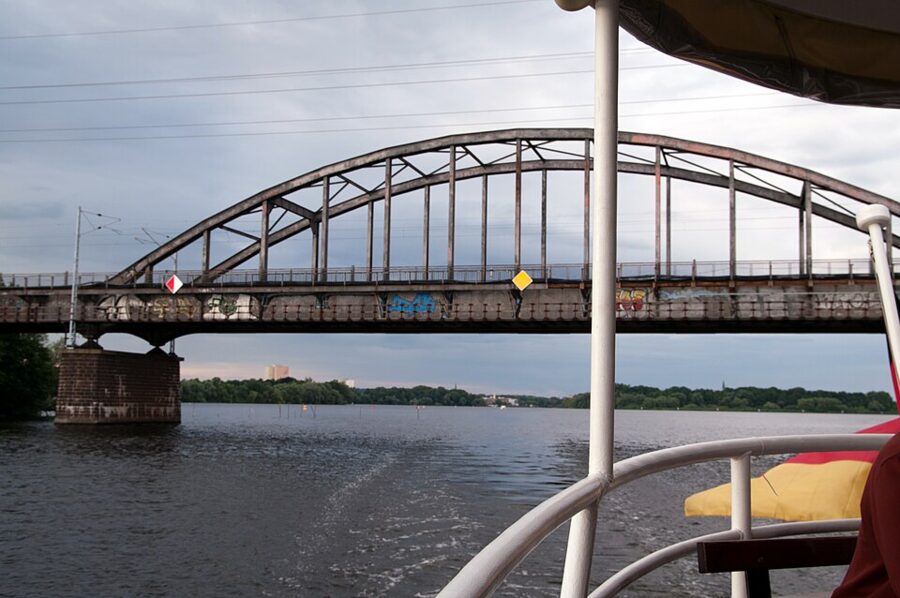
In 2026 it left the Lange Brücke daily at 10:30 from March 28 to November 1, and the first sailing listed for 2027, on March 26, is on MS Belvedere. The boat heads south first, under the railway bridge and down the Templiner See, a 6.5 km channel of open water. It calls at Caputh Gemünde at 11:10, Geltow Baumgartenbrücke at 11:20 and Werder at 11:40, then turns north.


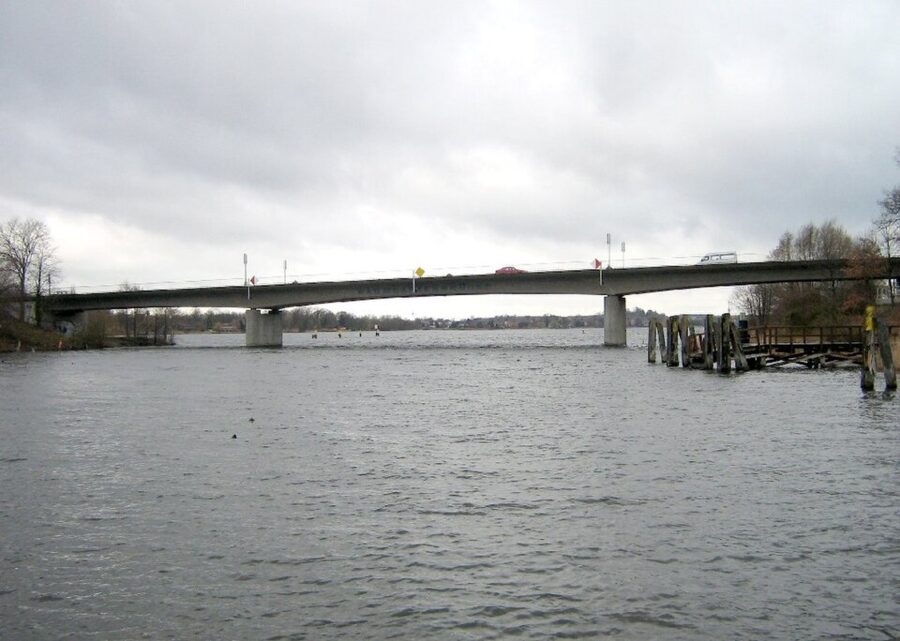
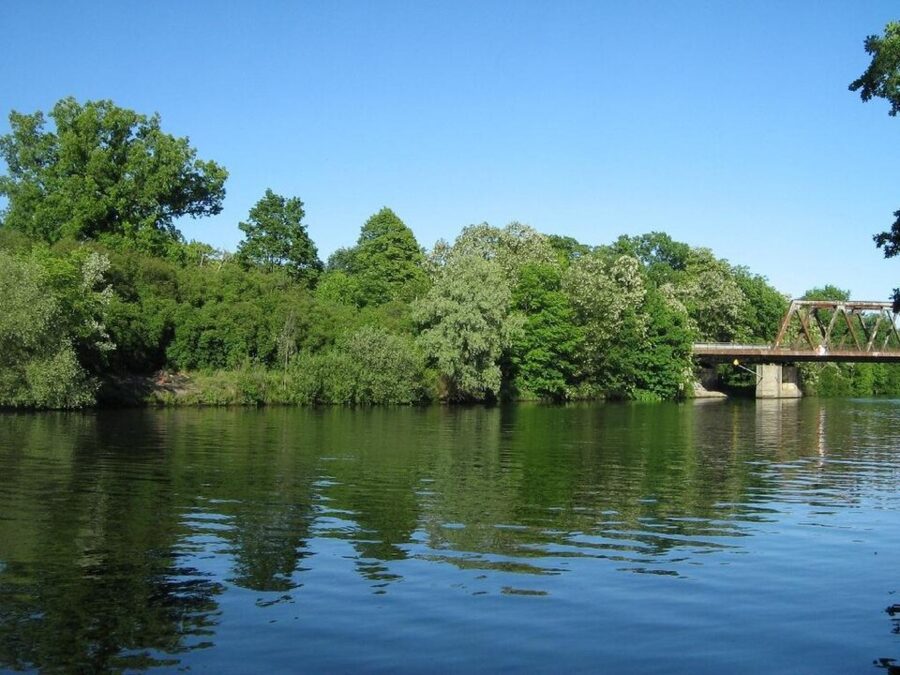
North of Werder the boat leaves the Havel near the village of Göttin and enters the Sacrow-Paretz Canal. It was built in 1874–1876 to let barges between Berlin and the Elbe skip the winding Potsdam loop; it is 12.5 km long and has no locks. This is the quiet hour of the trip: reeds, woods, the odd heron, a few lake crossings. Then the canal spills into the Jungfernsee by Sacrow, and the palace country starts again.

The last hour is the palace loop in reverse: the Church of the Redeemer, the Neuer Garten with the Marble Palace, the Glienicke Bridge, and Babelsberg on the left as you come back down the Tiefer See. The boat is back at the Lange Brücke at 14:30. Take lunch on board, or plan it for after you land.
Werder, Caputh and the Schwielowsee
The Havel lakes tour (Havelseenrundfahrt) runs over the same southern water but works as a hop-on, hop-off line. A day ticket costs €29, children under 7 travel free, and you can stay on for about three and a half hours or get off at Caputh, Geltow, Petzow, Ferch or Werder and take a later boat back. From Thursday to Saturday the boats also cross the Schwielowsee to Petzow and the two landings at Ferch. Bikes go on Thursday to Sunday, on a bike ticket and only as space allows.
In 2026 the daily departures from the Lange Brücke were at 10:30 and 15:00, with extra boats at 11:00, 12:15 and 13:15 on set days from mid-April to early October. A connecting boat also ran from Wannsee via Sacrow to the Lange Brücke. The timetable for 2027 is not yet out; the 10:30 boat on March 26, 2027 is already bookable.
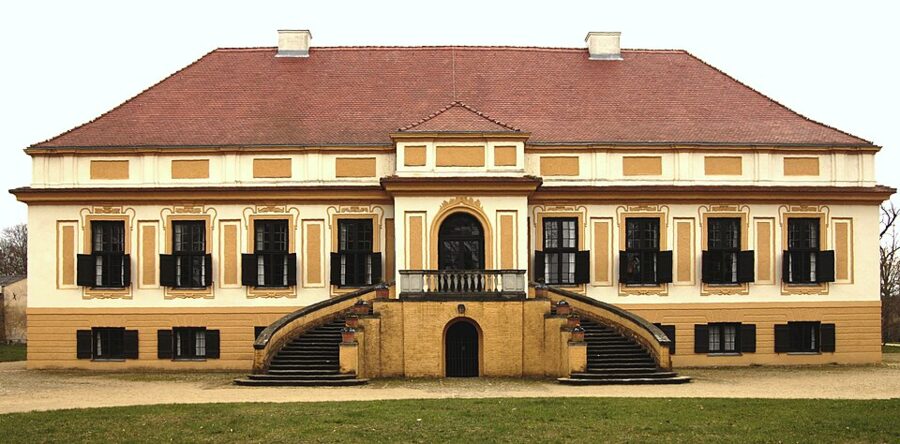

Caputh is the stop I would choose. Caputh Palace, a small summer palace of the Great Elector’s time with stucco and ceiling paintings of the late seventeenth century, belongs to the Prussian Palaces and Gardens Foundation (SPSG), and the Caputh Palace opening times are short: April to October, Wednesday to Sunday, 10:00–17:30, and November to March at weekends only, 10:00–16:00, with guided visits from November to April. Admission is €8, reduced €6, in 2026 and €9, reduced €6, in 2027. The landing is in the palace park.
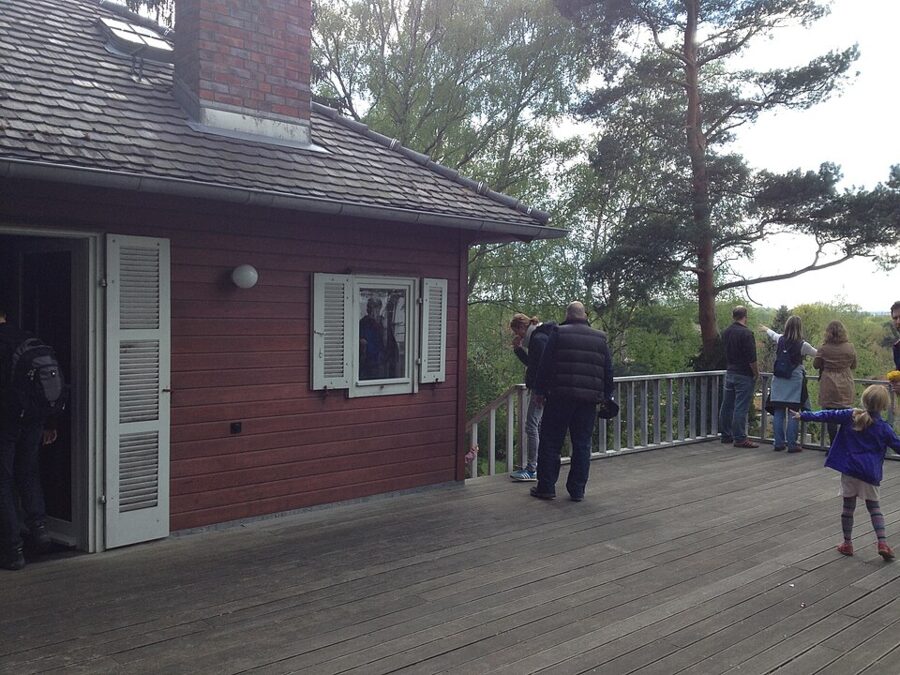


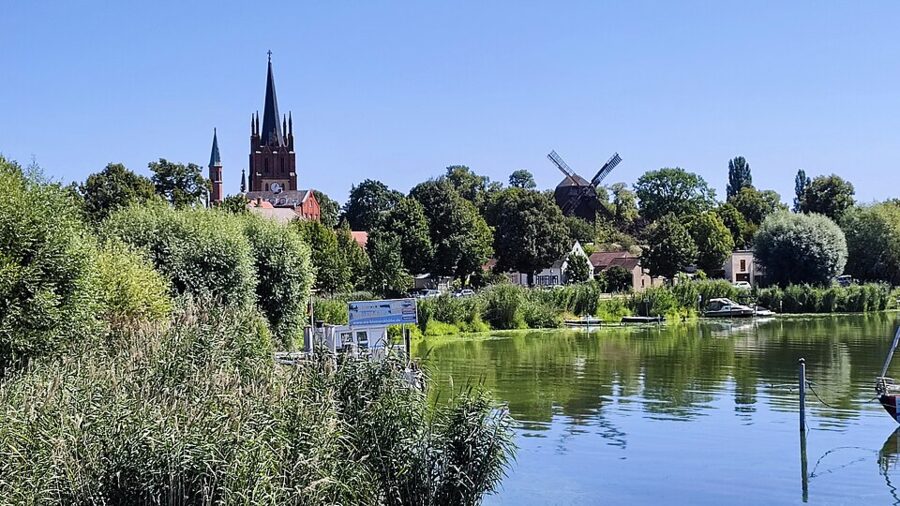
Petzow is the stop for a walk: a lakeside village with a manor park by Lenné and a church above the Schwielowsee. Werder is the stop for the town, an old fishing and fruit-growing island with a post mill and a Gothic Revival church.
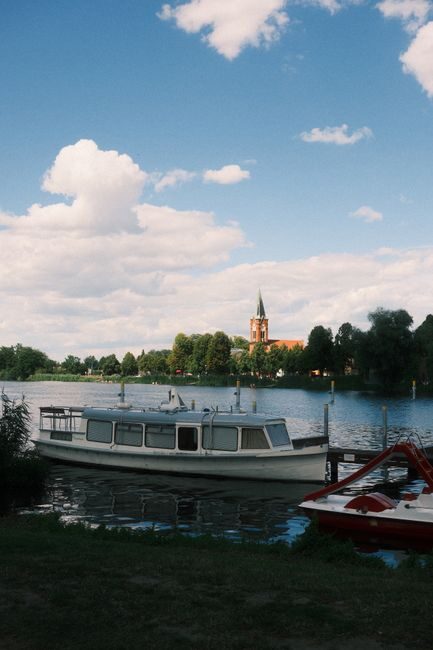

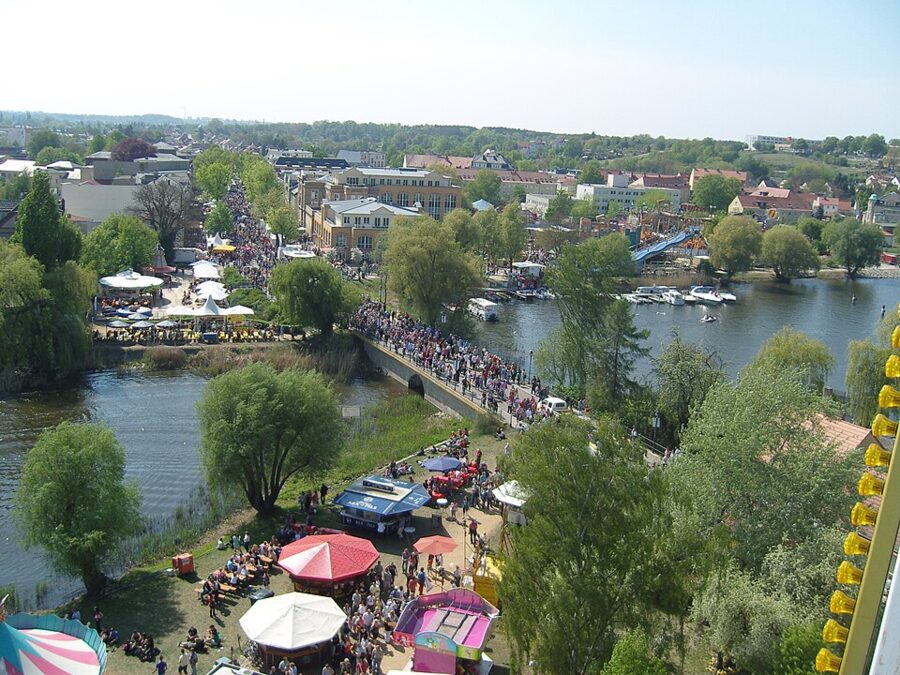
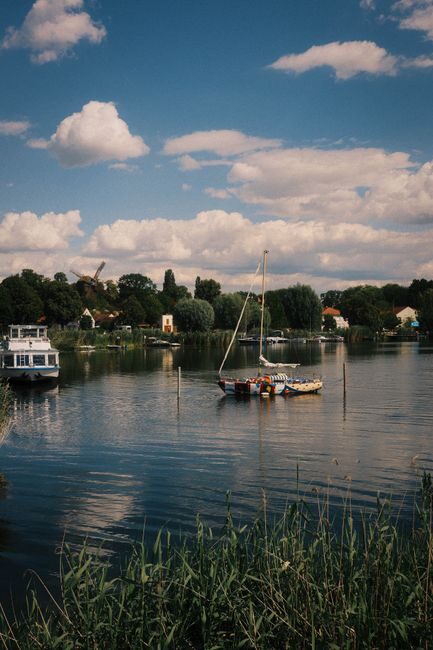
The one week Werder is not a quiet stop is the Baumblütenfest, the fruit-blossom festival, when the town fills with stalls selling fruit wine. The Weiße Flotte runs special blossom-festival boats to Werder from €14, via Caputh, from April 24 to May 2, 2027, with sailings through the day from 09:30 to 18:30. It is the easiest way to arrive: the boat lands you in the middle of the festival instead of in the traffic.

The city tour, the water taxi and a palace day
The Potsdam City Tour is the boat for people who want the town rather than the parks. In 90 minutes from €23, with commentary in German and English, it covers the Hohenzollern palaces, the Glienicke Bridge, East German architecture, the story of Count Zeppelin’s airships in Potsdam, and the pump house built as a mosque near the rebuilt tower of the Garrison Church. In 2026 it ran at weekends from April 17 to May 16 and from Thursday to Sunday from May 20 to October 3; in 2027 the first sailings are on April 17, at 13:15 and 15:15.

Its stop at the Neustädter Havelbucht is the useful part. From there Park Sanssouci is a short walk, so you can sail out, see the palaces, and pick up a later boat back. For a fixed palace slot, book the Sanssouci+ ticket ahead; the Sanssouci tickets guide covers the timed entry and the Sanssouci+ day ticket (€22, reduced €17, in 2026; €24, reduced €20, in 2027). If you plan to see the New Palace, remember it closes on Mondays from January to October and on Tuesdays in November and December.
The water taxi
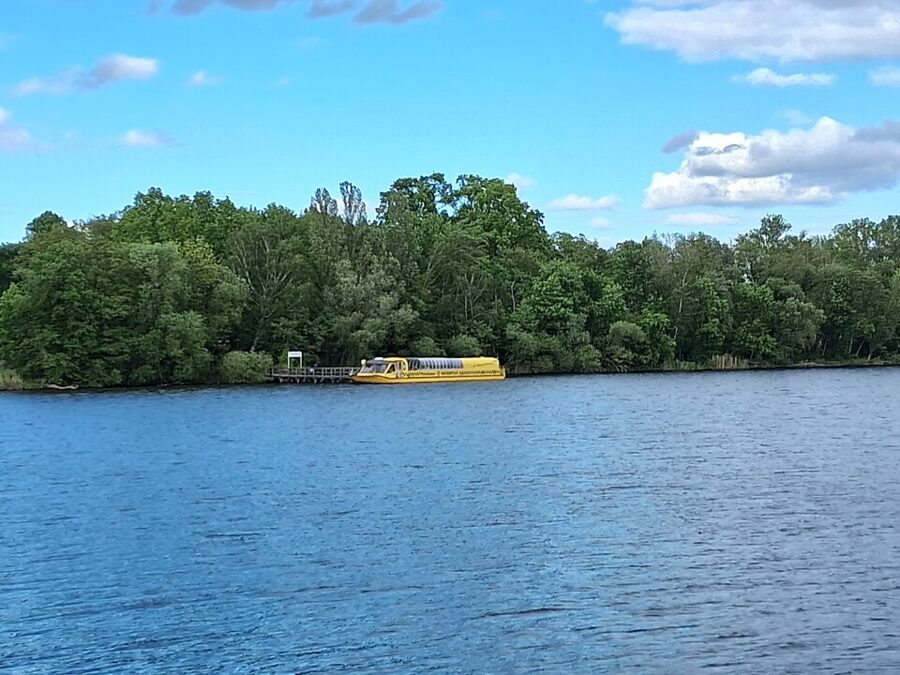
Between 2007 and 2022 Potsdam had a water taxi network with 13 stops. It closed after the pandemic for lack of money and crew, and on May 14, 2026 the Weiße Flotte relaunched it on a shorter northern route. Wassertaxi 2, an open-topped boat with room for bikes and a socket for charging e-bikes, runs between Potsdam Hauptbahnhof and Peacock Island via Schiffbauergasse, the Glienicke Bridge, Park Glienicke (Krughorn), Sacrow Heilandskirche and the Cecilienhof landing for the Neuer Garten and the Belvedere on the Pfingstberg.
The water taxi timetable for 2026 had a first departure from Potsdam Hauptbahnhof at 10:00 and a last boat back at 18:45, with shuttles between Peacock Island, Krughorn and Sacrow in between. A short hop between two neighboring landings costs €5 (€8 with a bike), a longer ride €9, the whole run from the station to Peacock Island €19, and a day ticket €34; a bike costs €4 a trip or €8 a day. The 2026 season ended on October 4, and the taxi returns in spring 2027.

For a day in the north of town this beats any loop. Take the taxi to the Cecilienhof landing, walk the Neuer Garten and up to the Pfingstberg, and catch a later boat on to Sacrow or Peacock Island.

Public ferries and boats you steer yourself
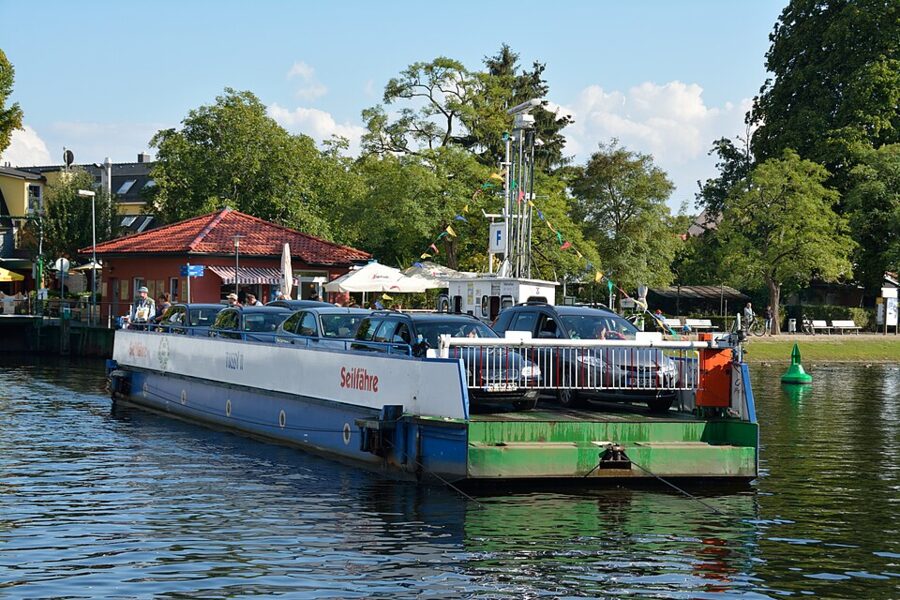
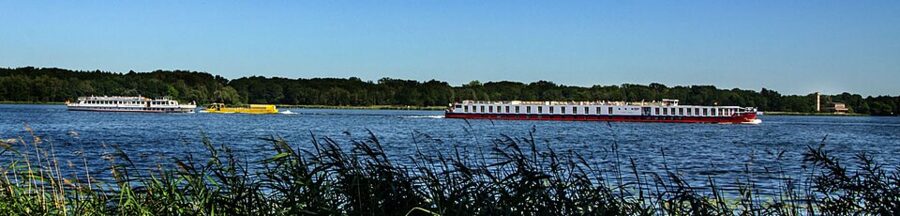
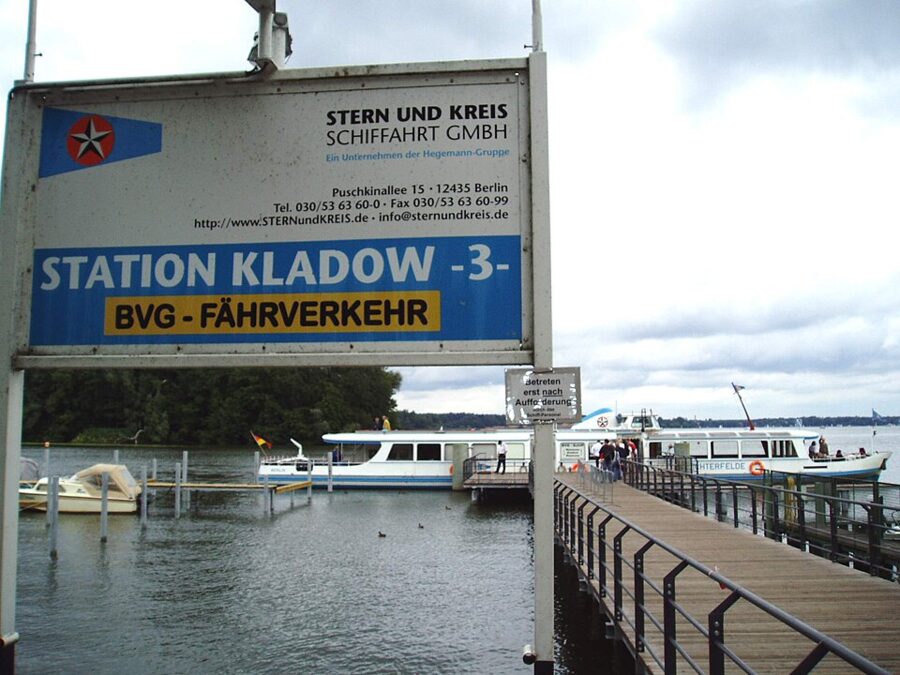
Four ferries cross the water around Potsdam, and two of them take the ordinary public transport ticket. The longest is the BVG’s ferry F10 from Wannsee to Kladow, run for the BVG by Stern und Kreis. It is a 20-minute crossing of the open Havel, hourly all year, in fare zone Berlin B, so an AB or ABC ticket covers it (the short-trip fare does not). In winter it runs about 06:00–19:00 on weekdays, 07:00–19:00 on Saturdays and 10:00–17:00 on Sundays, later in summer, and it can stop in fog or ice.

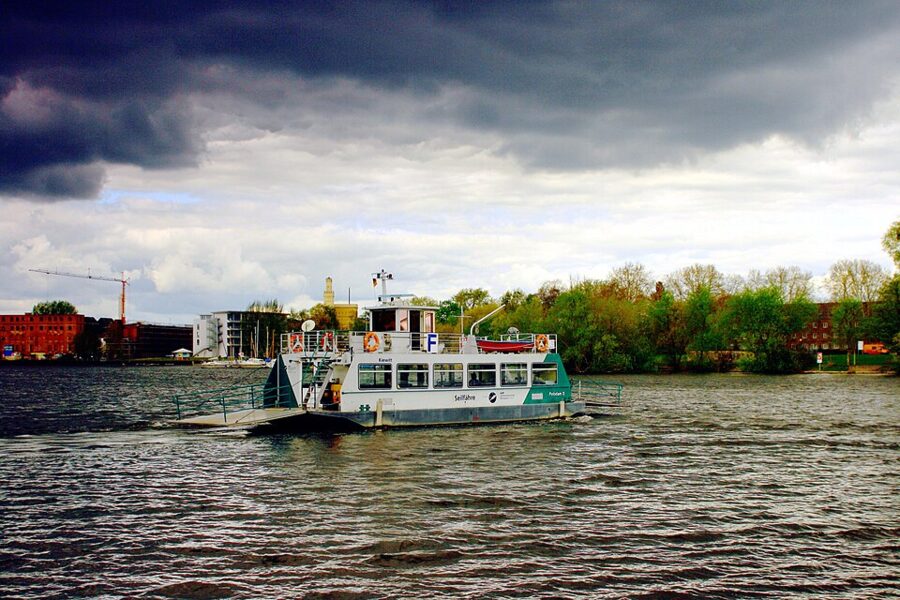
Potsdam’s own ferry is smaller. The ViP ferry F1 crosses the Havel from Auf dem Kiewitt in Potsdam-West to the island of Hermannswerder every day from 07:00 to 18:30. Bikes ride free, and the Potsdam short-trip ticket is valid. When the ferry is out of service, bus 694 from Potsdam Hauptbahnhof reaches Hermannswerder instead.

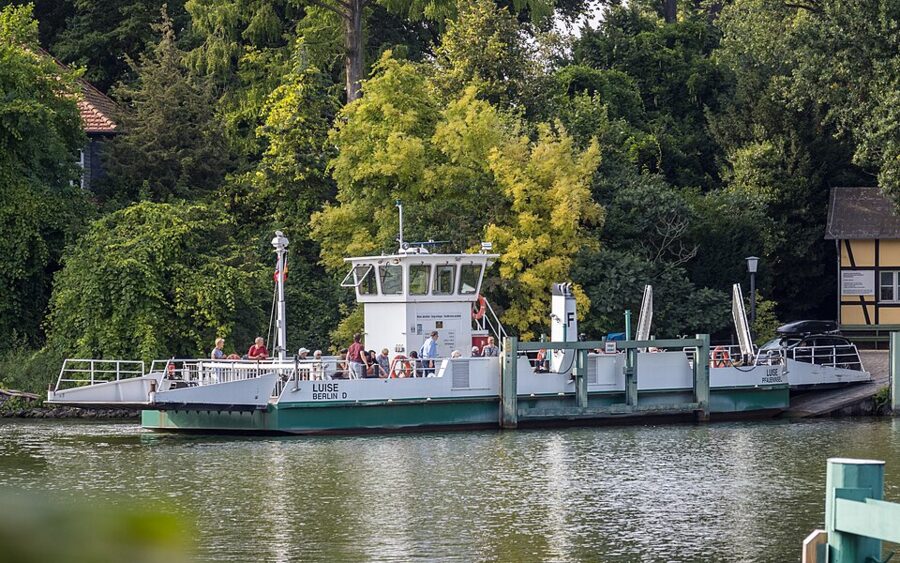
The Peacock Island ferry belongs to the SPSG, and its hours are the island’s hours. The Peacock Island ferry fare is €6, reduced €5, with a family ticket at €12 in 2026 and €13 in 2027. Buy it online or at the machine by the jetty, which takes cards or coins; the crew sells nothing. The last boat to the island leaves 45 minutes before closing.

Steering a boat yourself is common on the Havel: rowing boats, pedal boats, canoes, stand-up paddleboards and small motorboats that need no license are all rented around the lakes in summer. Hire firms come and go from season to season, so check what is operating on the shore before you plan around one. Whatever you rent, remember that you share the narrow passages, such as the Glienicke Bridge and the Caputher Gemünde, with excursion boats and barges.
Season, winter and the boats in Advent
The main season opens with the fleet parade (Flottenparade), a tradition since 1958. The 65th parade sailed on April 12, 2026, and the 66th fleet parade is on Sunday, April 18, 2027, with a harbor festival at the Lange Brücke from 11:00 to 18:00. Entry to the festival is free; the parade sailing at 15:00 costs €39 with coffee and cake. In 2026 eight of the fleet’s boats sailed in it.

The scheduled lines then run until the end of October or the start of November. In 2026 the Weiße Flotte’s Havel lines ran from March 28 to November 1, and the Stern und Kreis Havel season ended in October. The water taxi stopped on October 4.
Winter is not empty. The Weiße Flotte’s Advent program runs the palace loop in winter dress from €23 and the Wannsee round trip from €25, both starting on November 28, 2026. There are three-hour brunch and roast-duck lunch cruises from €59, a coffee cruise with mulled wine from €29, and a seven-hour trip to the Christmas market in Spandau on November 28 and December 12, 2026, from €45. A boat follows the Nikolaus regatta of the PSC Wiking club on December 5, 2026 (from €18), and the year ends with a party cruise on New Year’s Eve and a New Year’s brunch.
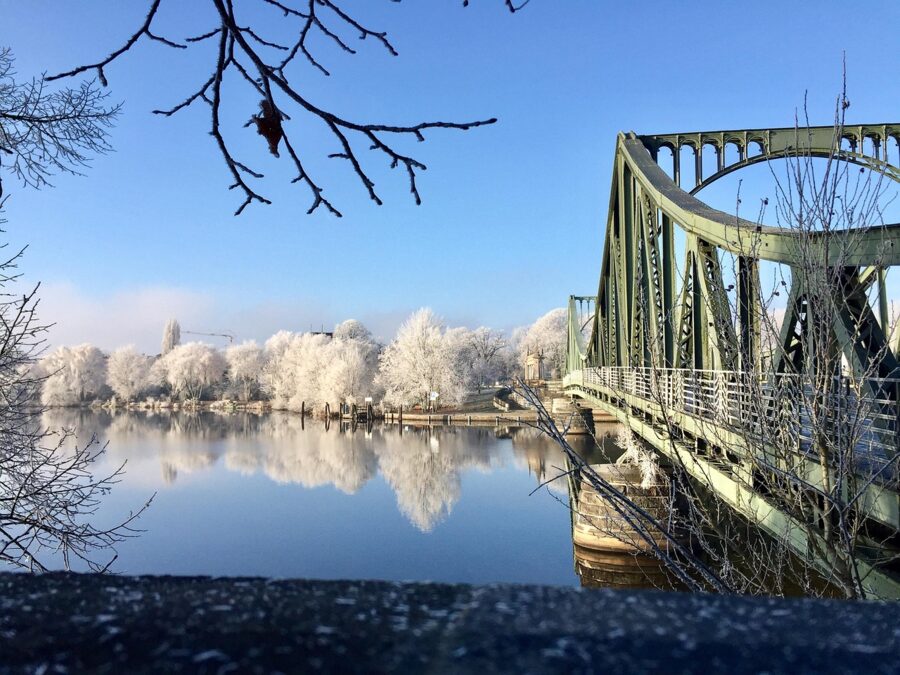
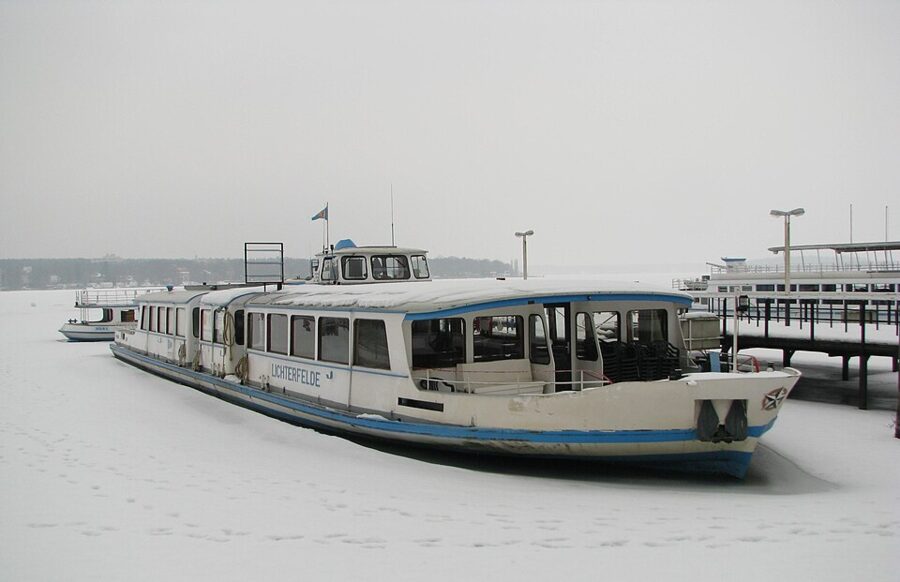
Outside the Advent program the scheduled lines do not run in winter, and even the Advent boats depend on the weather. In a hard winter the lakes freeze, as the Großer Wannsee did in February 2010, and then nothing sails.

If you want a boat for your own group, the winter charter offer halves the hire charge from November 1 to December 30, 2026, when you order a menu or buffet. Charters normally run for at least five hours from the Lange Brücke, catering is compulsory from Thursday to Sunday, and the hourly rate rises by 25% between 22:00 and 06:00.

Tickets, children, bikes, dogs and access
For the Weiße Flotte you can buy online, at the counters in the harbor building (cash, debit card, Visa, Mastercard) or on board at any landing, where only cards are accepted. The Weiße Flotte discounts give €2 off for seniors, students and apprentices on weekdays (not on public holidays or for part journeys), €2 off scheduled trips for holders of a German disability card, and half price for school groups of children under 15. Family tickets are listed above. Food and drink you bring yourself may not be eaten on board.
The rules on dogs and bikes are in the Weiße Flotte’s own answers to common questions. Dogs ride free on a short leash, but Brandenburg requires a muzzle on public transport, and dogs are not allowed on day trips or cruises that include a meal. Bikes travel on a bike ticket where there is room, and the Havel lakes tour is the line for them. Strollers and wheelchairs ride free; tell the company before you travel, and ask whether your sailing uses one of the accessible boats, since only some are.
Stern und Kreis has its own rules. Children under 6 ride free (up to three per paying adult), under-14s pay half, and from Monday to Friday one child up to 17 rides free with each full-paying adult.
Online tickets cost no more than at the counter and need not be printed. On dogs, the Stern und Kreis rules allow lapdogs up to 5 kg; larger dogs only at the crew’s discretion, on a child’s ticket. Tickets cannot be refunded or changed.
None of these boats is covered by the VBB day tickets, the Deutschlandticket or the Berlin WelcomeCard; only the F10 and F1 ferries are. To reach Wannsee or Potsdam you need a Berlin ABC ticket (€5.00 single or €12.90 for 24 hours in 2026; €5.20 and €13.20 from January 1, 2027), and the boat fare on top.
Which boat for which day
One afternoon in Potsdam: the palace loop. Ninety minutes, €23, Babelsberg and the Glienicke Bridge from the water, and you are back at the Lange Brücke in time for dinner in town (my Potsdam restaurants guide starts a few minutes from the harbor).
A day trip from Berlin: the Stern und Kreis World Heritage cruise one way from Wannsee, as described above, and the S-Bahn back. My day trip from Berlin plan fits around it.
A long summer day with good weather: the island round trip at 10:30, or the Havel lakes tour with a stop at Caputh Palace or Werder.
Late April: the fleet parade on the first big Sunday, then the blossom boats to Werder.
The north of town, on foot: the water taxi between the Neuer Garten, Sacrow and Peacock Island, from mid-May, if it runs the same route in 2027.
December: the Advent palace loop on a clear afternoon, or the F10 ferry from Wannsee, which runs all year on an ordinary ticket. My list of things to do in Potsdam covers the rest of a winter day.
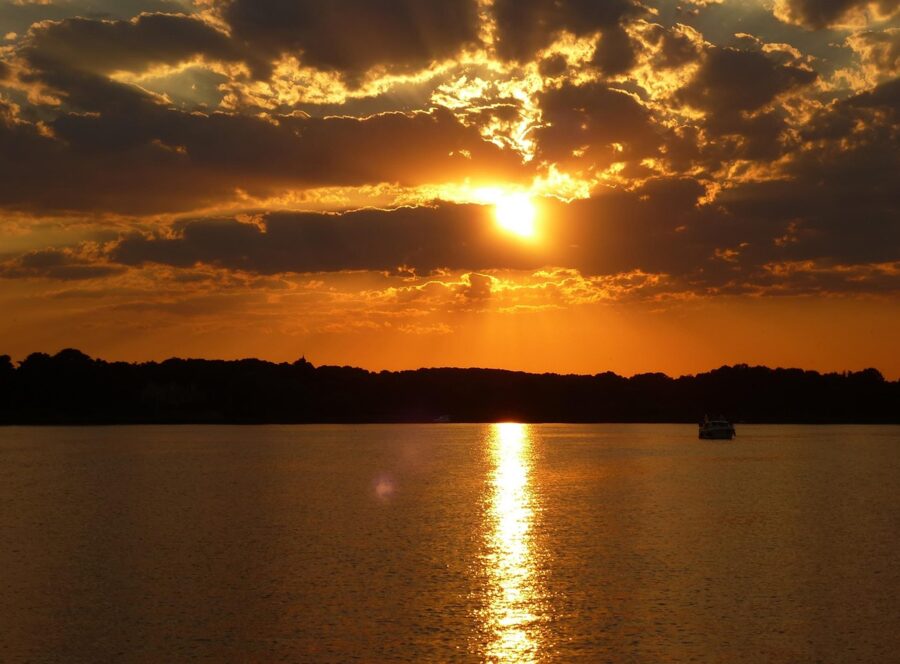
Whichever you take, end it on the water. The view that the Weiße Flotte could not show for 28 years, the Glienicke Bridge opening onto the Jungfernsee with Sacrow’s tower at the far end, is still the moment the town makes sense. Take the boat back to the Lange Brücke instead of the train, and watch Babelsberg slide by on your left as the light goes.