

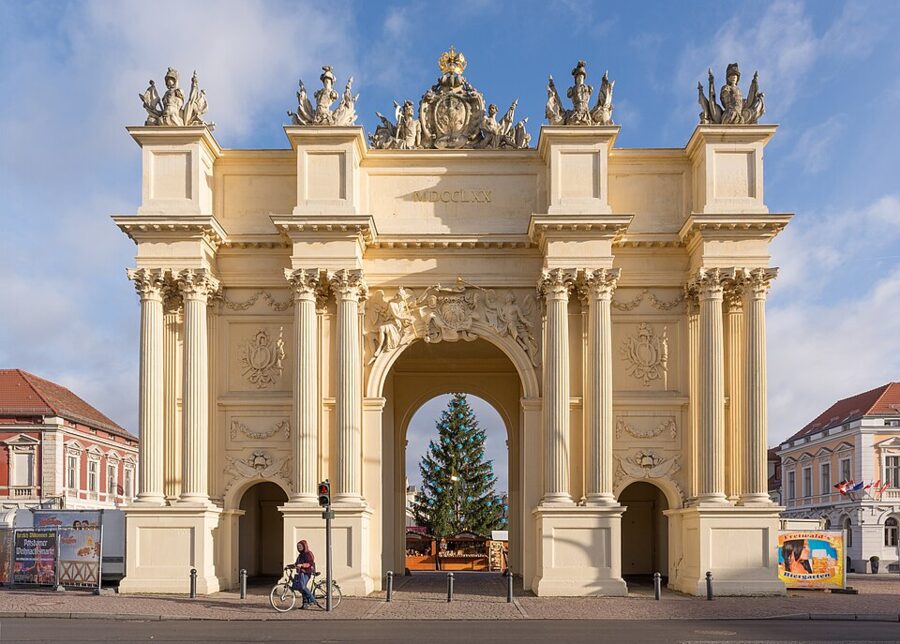
Stand on Luisenplatz in the late afternoon in December and look east through the Brandenburg Gate (Brandenburger Tor). The tallest Christmas tree in town stands by the gate, and beyond the arch Brandenburger Straße runs dead straight for about 750 m to the brick campanile of St. Peter und Paul. That line was drawn by Frederick William I’s planners in the 1730s for soldiers and craftsmen. Every Advent it carries Potsdam’s big Christmas market from one end to the other, and you can walk the whole of it with one mug of Glühwein.
That walk is the backbone of an Advent visit, but it is not the whole of it. Potsdam is a town of quarters built by and for immigrants, and each of them keeps its own Christmas: Dutch in the Dutch Quarter, Bohemian on the Weberplatz in Babelsberg, Polish in the courtyard of the old royal coach stables, Russian in the wooden houses of Alexandrowka. Most of these smaller markets run for a single weekend, and the trick of a December trip is to land on the right one.



Contents7 parts
How Advent works in Potsdam
There are two rhythms, and once you see them the calendar falls into place. The main market in the old town is the long one: it opens on the Monday before the first Sunday of Advent and stays until the Sunday after Christmas, every day except Christmas Eve. Everything else is a weekend affair. The Bohemian market fills the first two Advent weekends, the Polish Star Market takes the second, the Krongut‘s Advent village the second and third, and Sinterklaas rides into the Dutch Quarter on the weekend after Saint Nicholas Day (December 6), which often means the third Advent weekend.
So the best single day is a Saturday on the second or third weekend of Advent. On those days you can combine the big market with two or three of the small ones, and on the third weekend the Belvedere on the Pfingstberg opens for its Advent afternoons as well. Weekdays are calmer, the stalls are the same, and the big market keeps its hours, but the weekend markets are simply not there.
Crowds follow the same pattern. Brandenburger Straße is easy to walk on a Tuesday at 15:00 and shoulder to shoulder on a Saturday at 18:00, when the day-trippers from Berlin are all in town at once. If you are coming for the lights rather than the stalls, come on a weekday, eat early and walk the street after dark, which in December falls before 16:30.
Getting here takes about half an hour from central Berlin on the S7 or the RE1, and the day trip from Berlin covers trains and tickets in full. In 2026 a single ticket Berlin ABC costs €5.00 and a 24-hour ticket €12.90; from January 1, 2027 they cost €5.20 and €13.20.
| Market | Where | When it usually runs | In 2026 |
|---|---|---|---|
| Potsdamer Weihnachtszauber (the main market) | Luisenplatz, Brandenburger Straße, Bassinplatz | Monday before the first Advent Sunday to the Sunday after Christmas | November 23 to December 27 |
| Bohemian Christmas Market | Weberplatz, Babelsberg | First two Advent weekends, Friday to Sunday | November 27–29 and December 4–6 |
| Polish Star Market (Sternenmarkt) | Brandenburg Museum, Am Neuen Markt | Second Advent weekend | December 4–6 |
| Potsdam Chocolate Market | Alter Markt | Early to mid-December | December 4–20 |
| Advent village (Adventsdorf) | Krongut Bornstedt | Second and third Advent weekends | December 5–6 and 12–13 |
| Sinterklaas festival | Dutch Quarter | Weekend after Saint Nicholas Day | December 12–13 |
| Advent weekend at the Belvedere | Pfingstberg | One Advent weekend, afternoons | December 12–13 |
The main market, from Luisenplatz to Bassinplatz
For years Potsdam’s central market was called Blauer Lichterglanz, the blue glow, after the blue lights strung over Brandenburger Straße. In 2025 the city council gave it a new shape and a new name. The city’s announcement of the Potsdamer Weihnachtszauber extended the market east onto Bassinplatz, handed the lighting to a new scheme by the Berlin firm Boehlke with warm light, light portals and “Potsdam stars”, and set the operator, Jüttner Entertainment, to run it on the city’s behalf. The blue is gone; Weihnachtszauber means Christmas magic, and you will still hear older locals call it by the old name.
It bills itself as the largest Christmas market in Brandenburg, with about 250 stalls across seven areas and three stages. Entry is free. Here is the walk, west to east, the way the market itself is laid out.

Luisenplatz and the gate
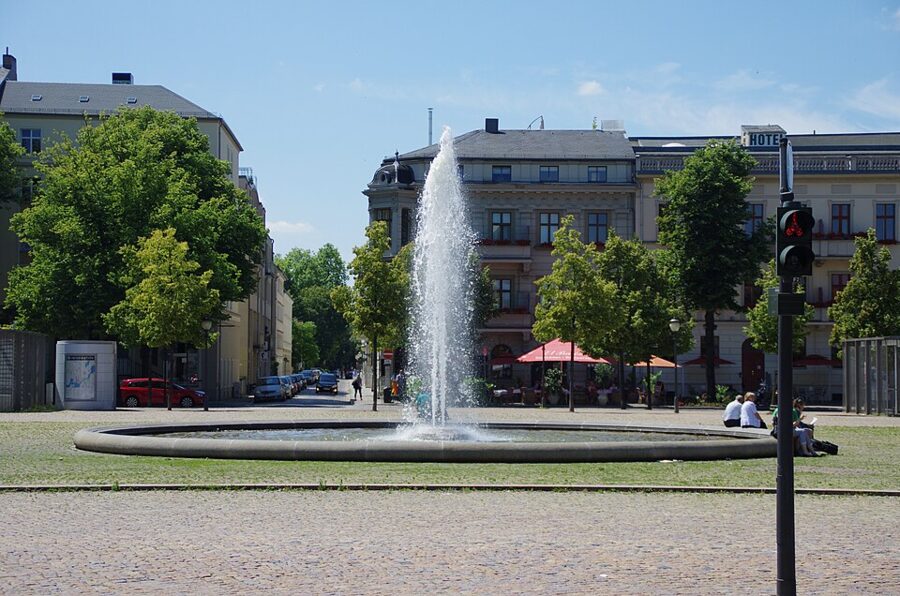
The market starts on Luisenplatz, the square outside the gate where the 17-year-old Princess Luise of Mecklenburg-Strelitz, the future Queen Luise, was welcomed into Potsdam on December 21, 1793. In Advent it holds a village of white pagoda tents with crafts and delicatessen, and a stage for live music. Luisenplatz was the town’s fairground in GDR times, used for folk festivals and Christmas markets, so there is a long habit of December here.
By the gate stand the big tree, a nostalgic children’s carousel and a chain swing. The gate itself is lit in color from both sides after dark. Walk through the central arch, not the side passages: those were only added in 1843 under Frederick William IV, when the traffic through the old customs gate grew too heavy, and the view down the street is framed by the middle one.
Sternengasse and Brandenburger Straße
A short way inside the gate, Hermann-Elflein-Straße meets Brandenburger Straße. From 2026 it holds the Sternengasse, the “star lane”, a quieter row of huts where Potsdam’s clubs and charities take turns and a rotating cast of local newcomers sells its own work; at weekends a crafts market joins them. I’d make it the first stop. The stalls change through the season, and the things on sale were mostly made within a few kilometers.
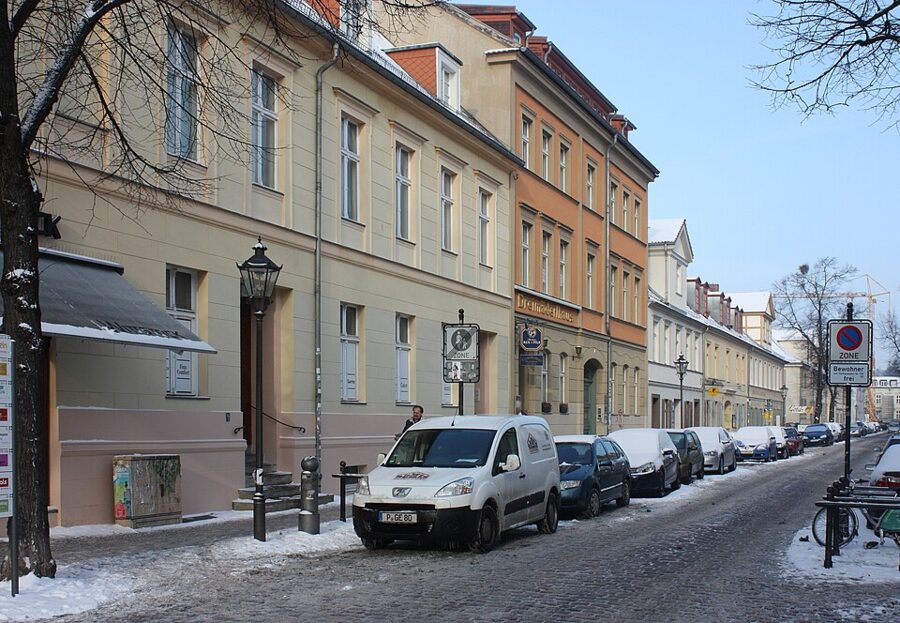

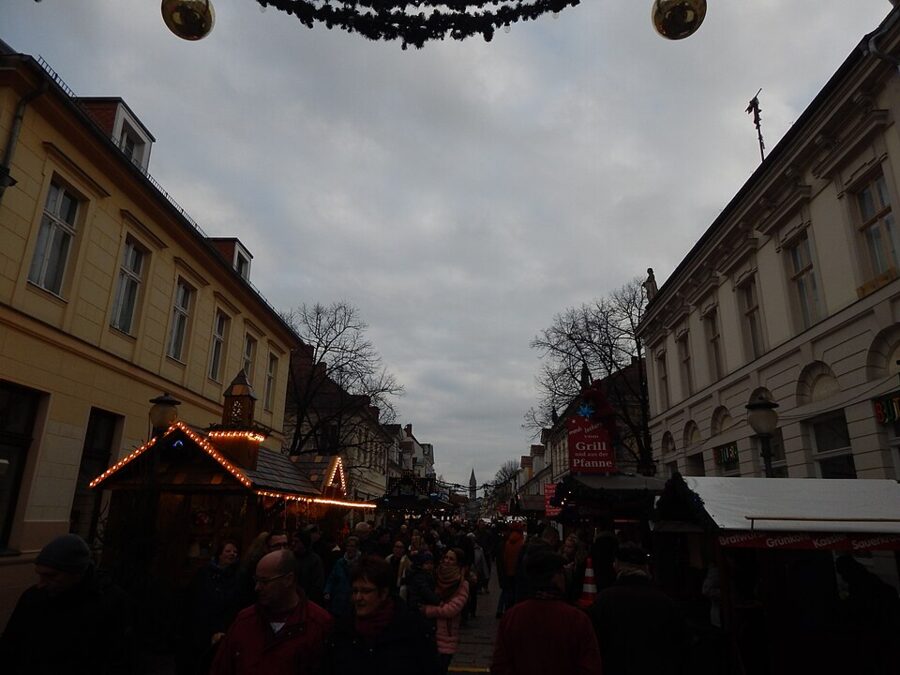
Then comes Brandenburger Straße, the pedestrian shopping street, with stalls, street food and cafés between the shop fronts. Its five-bay houses were standard designs from the second town extension under Frederick William I, built for craftsmen who were obliged to quarter between four and six soldiers each. That is why they look so alike. In December the stalls stand in front of them like a second row of houses.
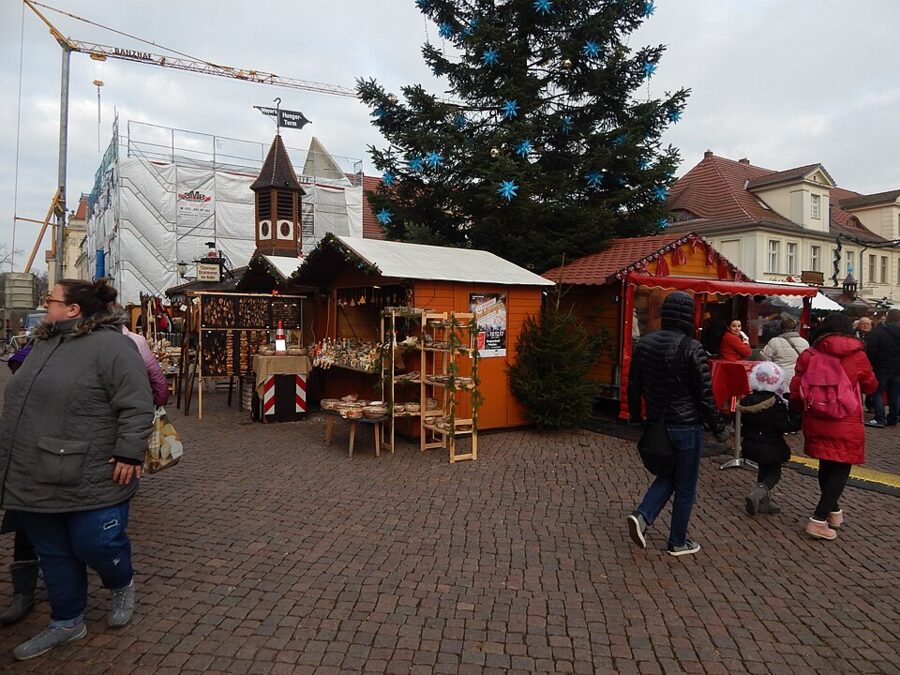

The street is about 750 m long, and at a market pace it takes half an hour. The light installations are spread along it: a walk-in ball of lights, a glowing coach with horse and a stag picked out in bulbs. They are made for photos and get queues at the weekend.
Bassinplatz, the rides and the rink
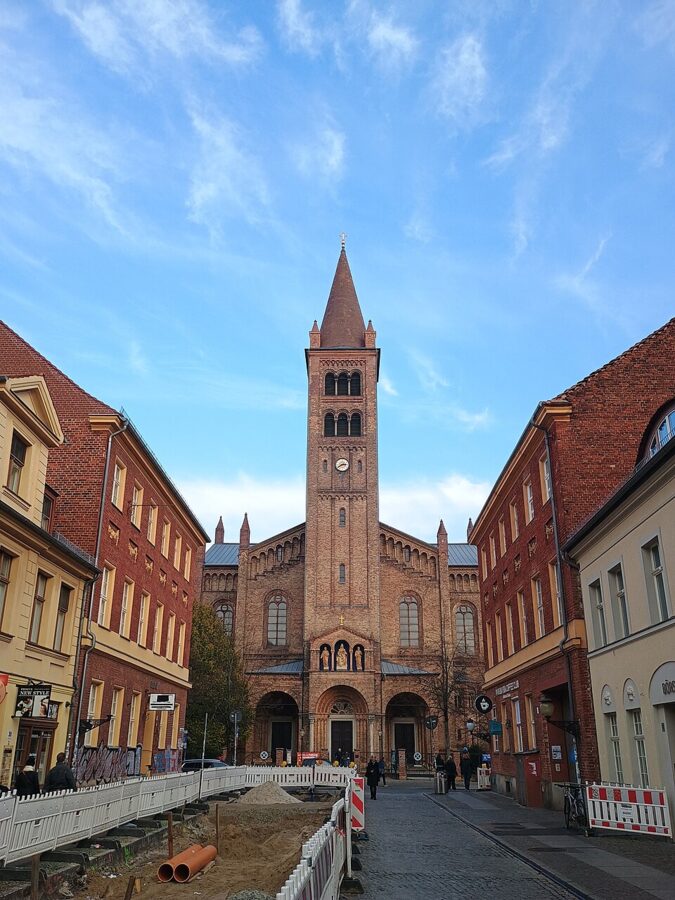
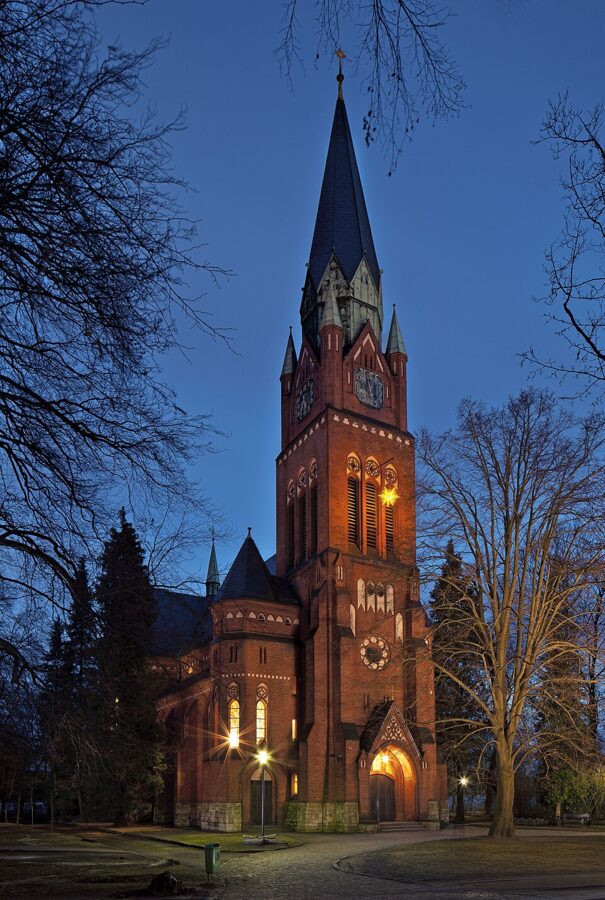
Brandenburger Straße ends at St. Peter und Paul, the Catholic church August Stüler and Wilhelm Salzenberg built in 1867–1870 with a tower in the manner of an Italian campanile. Around it, on Bassinplatz Nord, the market keeps its family end: the ice rink, children’s carousels, the big Ore Mountains hut (Erzgebirge-Hütte), named for the woodcarving country of Saxony, and a children’s stage, the Märchenbühne, with a free program of fairy tales every day. At weekends Father Christmas sits at the Erzgebirge-Hütte from 14:00 to 18:00.
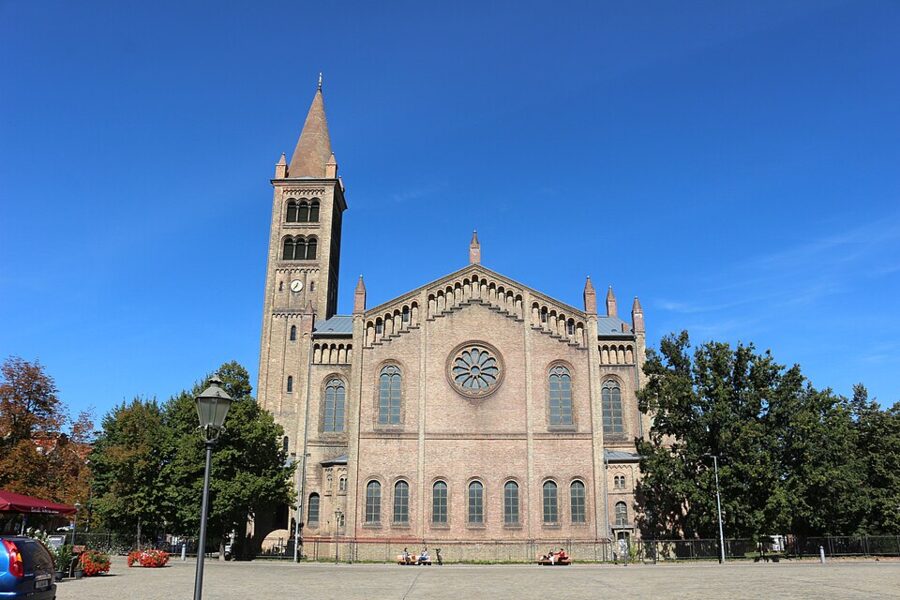

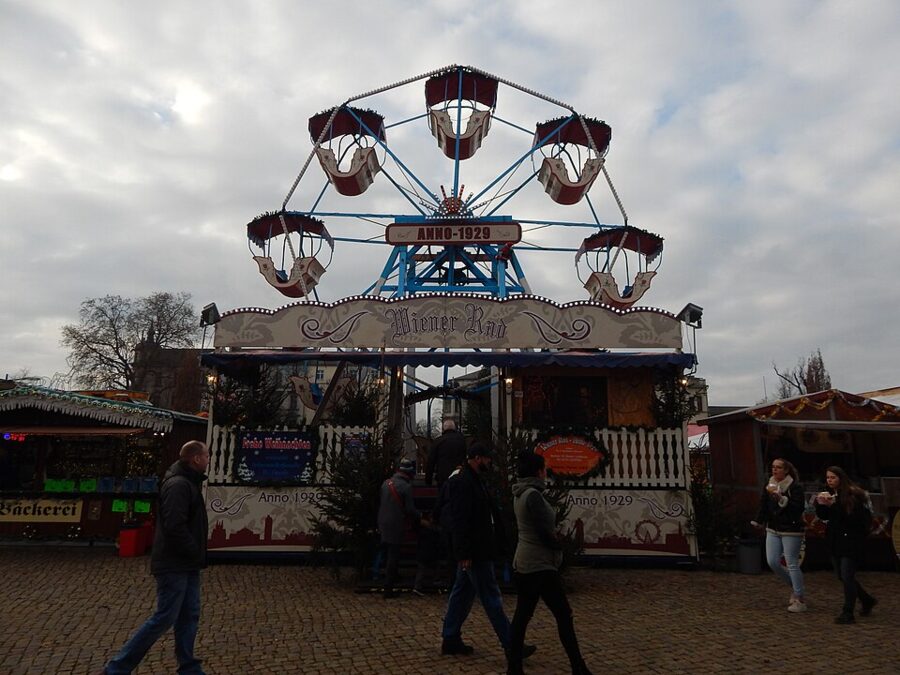
Bassinplatz is the largest square in Potsdam, roughly 300 by 200 m, and the space shows. South of the church, on Bassinplatz Süd, stand the Ferris wheel and the main stage. The wheel is the one place where the old town lays itself out for you: the gate at the far end of the street, the Dutch Quarter’s gables to the north and, on a clear evening, the dome of the Nikolaikirche to the south.

The town’s weekly market keeps going on the square right through Advent, with extra pitches around the church on Fridays and Saturdays, according to the city’s notes on the Christmas market season. It runs Monday to Friday 08:00–16:00 and Saturday 08:00–13:00. That is where Potsdamers do their everyday shopping, and it is worth a look before the Christmas stalls open at 11:00.
Hours, opening night and the quiet hour
The pattern of the hours has been the same in both years under the new name. In 2026 the Weihnachtszauber’s own pages gave November 23 to December 27, open 11:00–21:00 from Sunday to Thursday and 11:00–22:00 on Fridays and Saturdays, closed on December 24 and open 11:00–18:00 on December 25 and 26. In 2025 it ran from November 24 to December 28 on the same hours.
Opening night is a small piece of Potsdam theater. In 2026 the bells of St. Peter und Paul rang in the market at 17:00 (children were asked to bring little bells of their own), and at 17:30 the mayor opened it on the south stage with the Lange Kerls, men in the uniform of Frederick William I’s regiment of giant grenadiers, and the cutting of a stollen. Few places can call on a dead king’s tall soldiers to open a market.
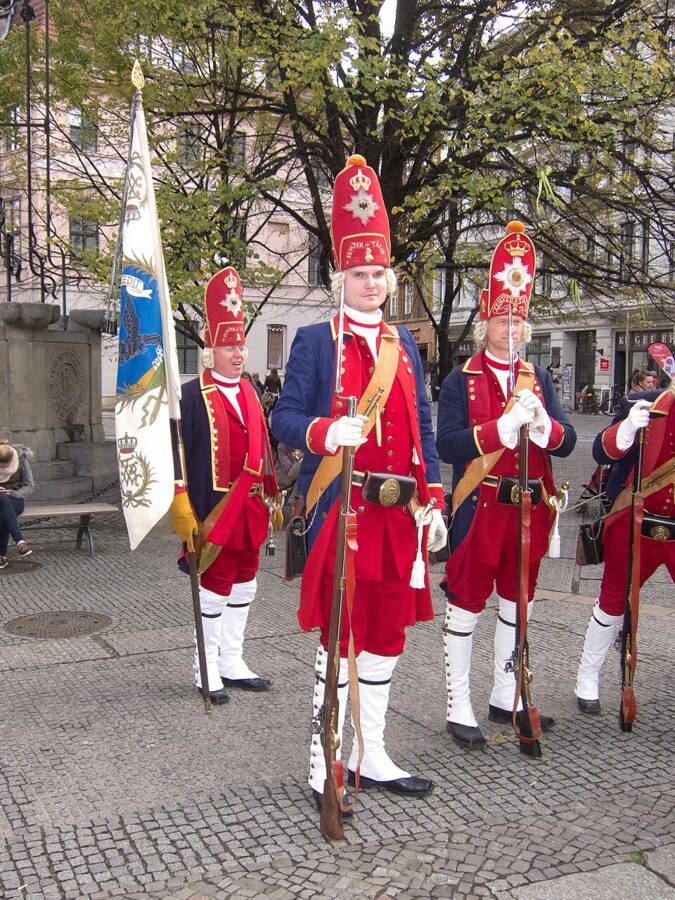

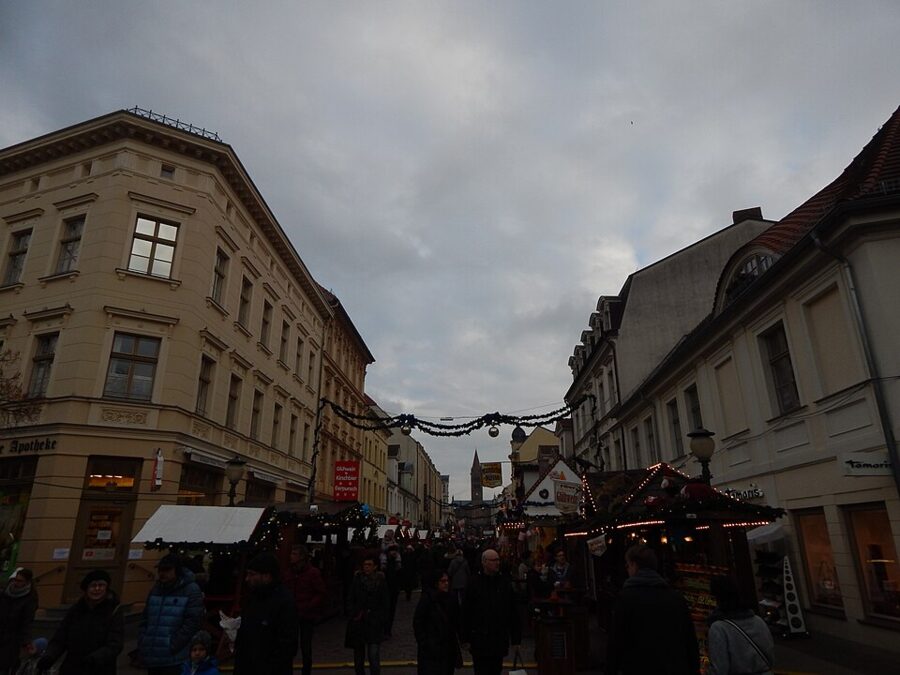

One detail on the day-by-day program tells you a lot about the place. Background Christmas music plays on all squares from 11:00, but every day from 15:00 to 16:00 it stops for a quiet hour. Most evening concerts start on the stages around 18:00, and the church has its own Advent calendar: organ and choir concerts, a Taizé prayer, and in 2026 the arrival of the Peace Light from Bethlehem, brought by Protestant youth groups and Catholic scouts, on December 13. On December 20, 2026 the rink held a day of Eisstockschießen, the Alpine cousin of curling.
Sinterklaas in the Dutch Quarter
A few steps north of Bassinplatz, the red-brick gables of the Dutch Quarter hold Potsdam’s most charming weekend of the season. The quarter was built in 1733–1742 for Dutch craftsmen whom Frederick William I hoped to lure to his garrison town. Each December the Dutch saint comes to visit, and he does it properly.
Sinterklaas, the Dutch Saint Nicholas, gives children their presents in the Netherlands on December 5. In the Potsdam story he stops here on his way home to Spain, so the festival is always the weekend after Saint Nicholas Day. As the museum society’s account of the festival tells it, children meet him at the harbor basin, and he rides into the quarter on a white horse with his helpers, the Pieten, and a Pieten brass band handing out sweets. He greets children and gives out presents on both days.
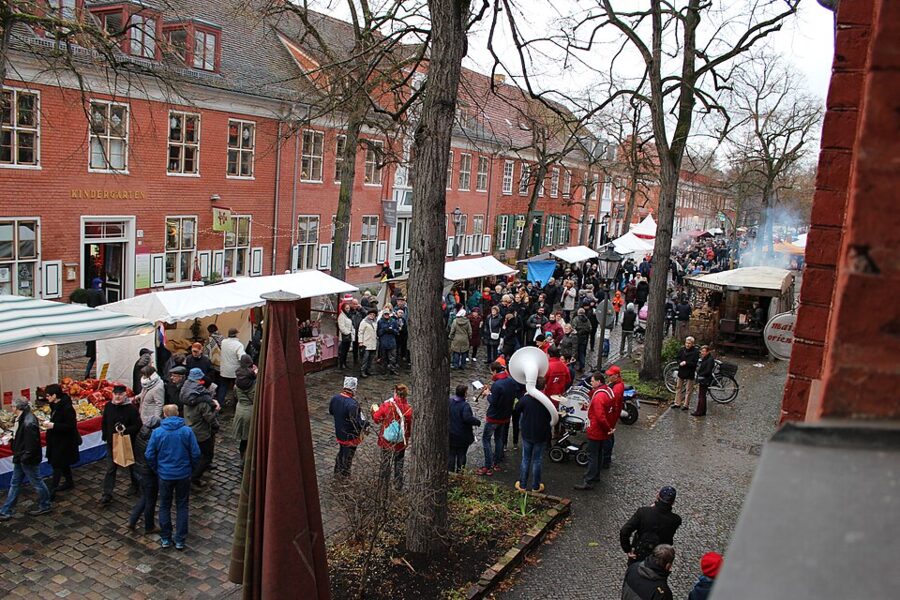

Over 70 Dutch participants come for it, alongside local stallholders, and much of the market is craft you can watch. Kniepertjes, thin honey waffles, are baked over an open fire; a clog maker carves, a mustard maker grinds, and there are basket makers and bead embroiderers at work. Fire baskets stand in the street for warmth, and for anyone the fire does not warm, there is genever.
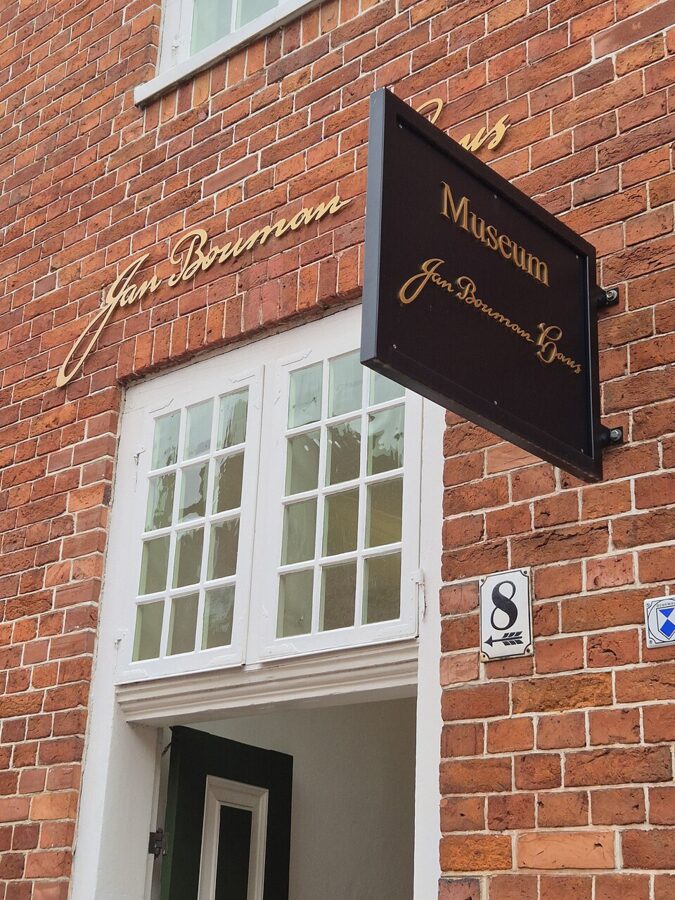
The festival’s dates page gave Saturday, December 12, 2026, 11:00–19:00 and Sunday, December 13, 11:00–18:00. It is run by the society for Dutch culture in Potsdam (Förderverein zur Pflege niederländischer Kultur in Potsdam), which also runs the small museum in the Jan Bouman House at Mittelstraße 8. Of all the markets in town this is the one I would plan a trip around.
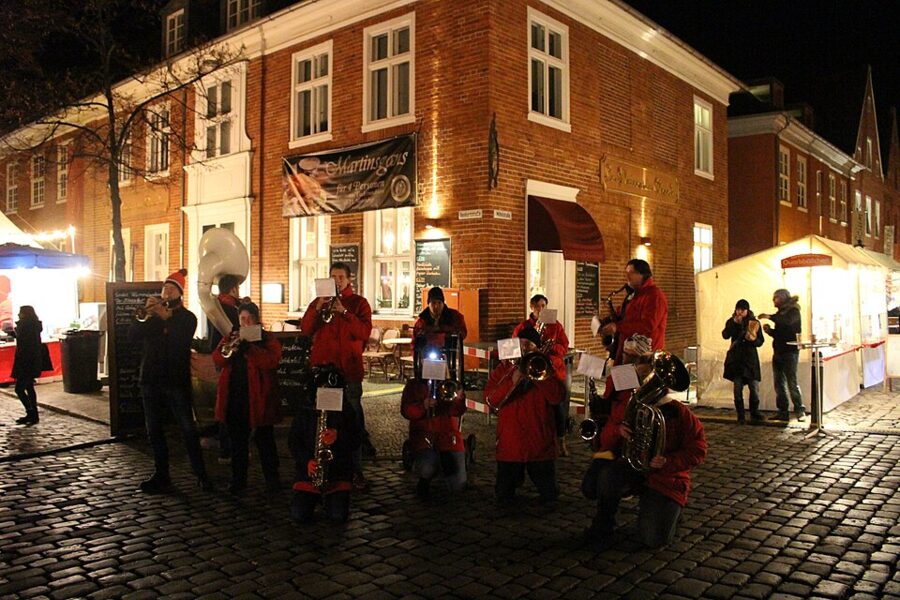

Go on the Saturday for the arrival and the bustle, or on Sunday afternoon for a calmer walk. Either way, combine it with the main market, which is a few minutes’ walk south on Bassinplatz.
The Bohemian market on the Weberplatz
From 1751 Frederick the Great settled Protestant weavers and spinners from Bohemia, refugees for their faith, east of Potsdam in a colony that took the name Nowawes, from the Czech for “new village”. Their small single-story houses still line the triangular Weberplatz in what is now Babelsberg, around the Friedrichskirche that Jan Boumann built for them in 1752–1753, where services were first held in Czech and German by turns. On the first two weekends of Advent, that square becomes the most village-like Christmas market in Potsdam.
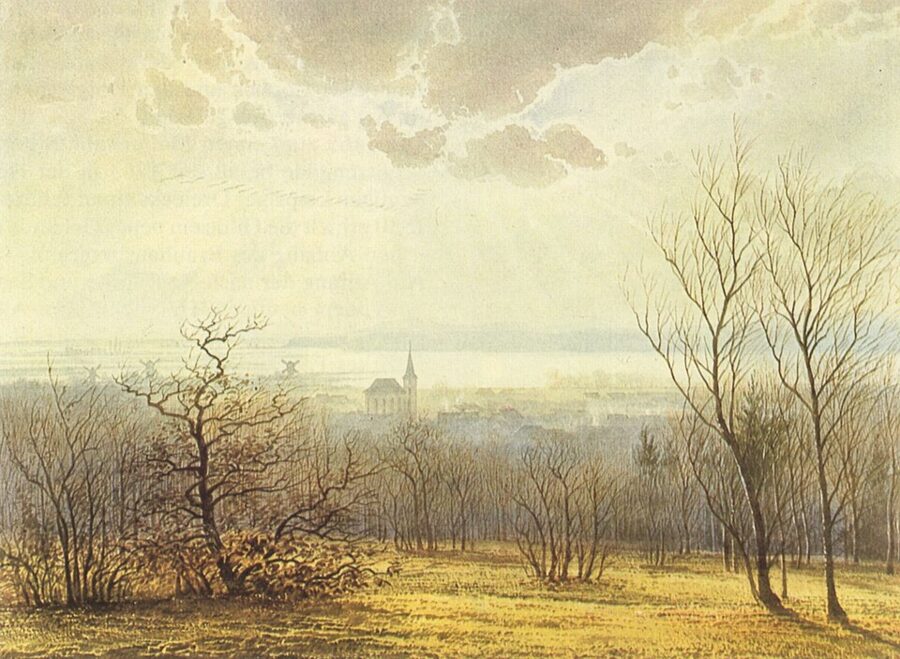
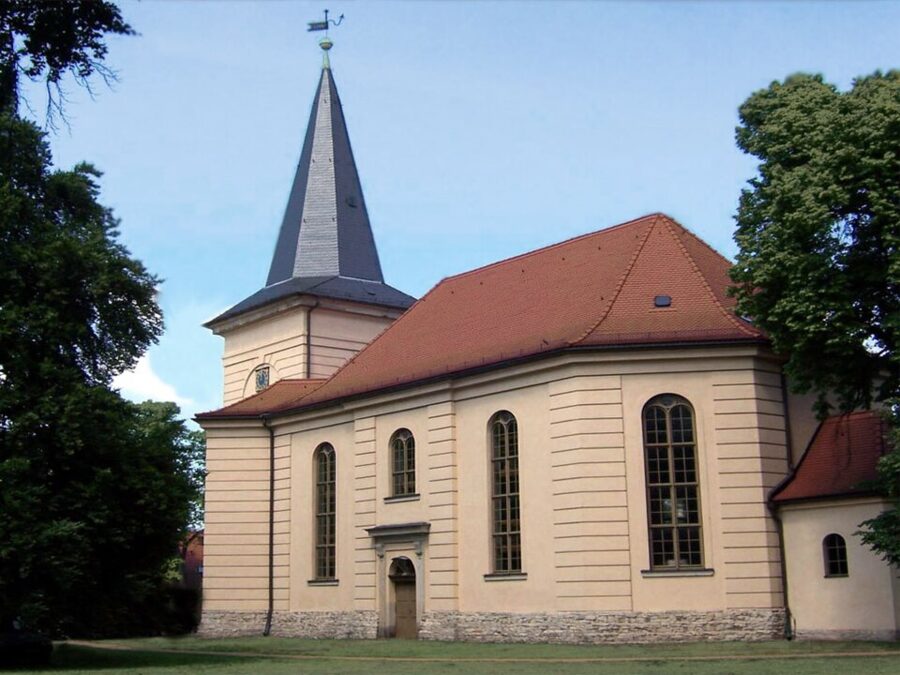

The Bohemian Christmas Market (Böhmischer Weihnachtsmarkt) is run by the local traders’ association, the Aktionsgemeinschaft Babelsberg. It sells handmade pieces, crafts and gifts, Bohemian food and drink, and has live music. Children get the Bohemian Crystal Fairy, a costumed figure who belongs to this market alone, and Father Christmas’s office. 2026 was its 26th edition, after a two-year pause in 2020 and 2021.
It keeps short hours. The tourist office’s listing for the Bohemian market gave Friday 17:00–22:00, Saturday 11:00–22:00 and Sunday 11:00–18:00 for the 2026 weekends of November 27–29 and December 4–6, with free entry. I’d go on Friday evening for the lights, or on Saturday afternoon with children.
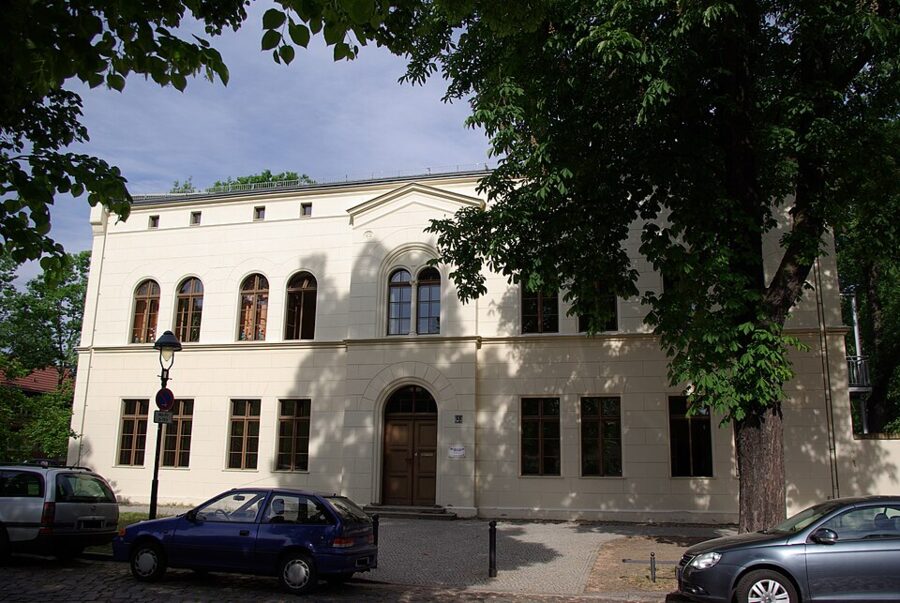

To get there, take the S7 to Babelsberg station and walk north into the weavers’ quarter. If you are coming from the old town, the S-Bahn from Potsdam Hauptbahnhof (the main station) takes one stop. Later in December the square changes character: in 2026 the animal-free Potsdam Christmas Circus pitched its tent on the Weberplatz from December 11 to 31, with tickets from €25.50 for adults.
Smaller markets, palace weekends and one-offs
The rest of Potsdam’s Advent is a scatter of courtyards, churches and estates, each open for a weekend or a single afternoon. The tourist office’s Advent calendar collects them every year. These are the ones I’d cross town for.
The Belvedere’s Advent weekend
The Belvedere on the Pfingstberg, Frederick William IV’s double-towered lookout above the town, closes from November to February. It opens for one Advent weekend, and the friends’ association that saved it from ruin runs it as a deliberate contrast to the markets below: no stalls, no piped music. There are choirs in the entrance to the palace, winter tales for children in the Moorish Cabinet, crafts, a raffle, mulled wine, children’s punch, cookies and food from the grill.
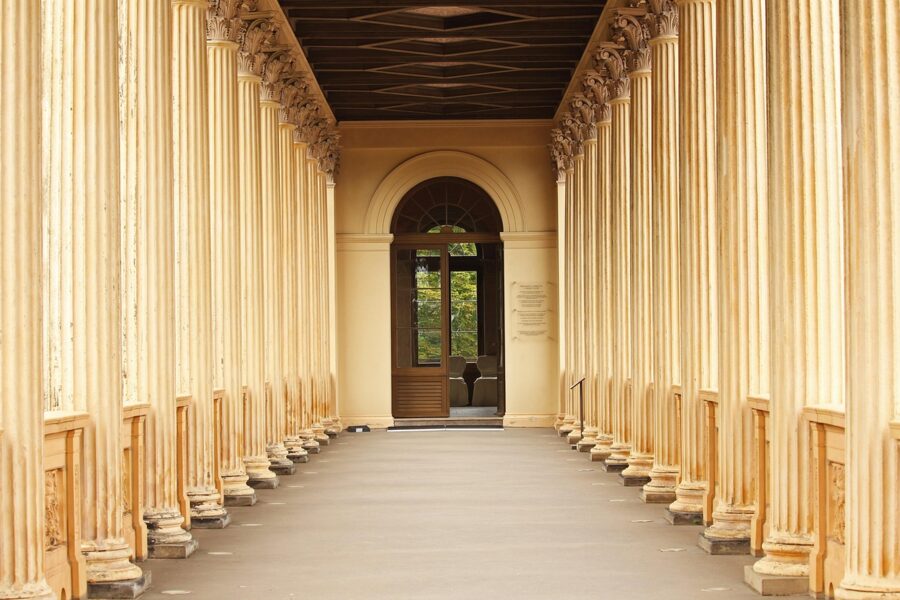
The Belvedere’s Advent weekend ran on December 12, 2026, 15:00–19:00 and December 13, 15:00–18:00, with carol singing for everyone on the Saturday from 18:00 to 19:00. Entry, including the tales and crafts, cost €8, reduced €6, and a family ticket €17. Trams 92 and 96 run to Puschkinallee at the foot of the hill, beside the Russian colony of Alexandrowka. Climb up before dark: the view from the terrace across the lights of the town is the best reason to come.
Krongut Bornstedt’s Advent village
The Krongut Bornstedt, a former royal estate on the northern edge of Park Sanssouci, puts up an Advent village (Adventsdorf) in its courtyard and the barns by the lake on the second and third weekends of Advent. The estate’s Advent village page promises regional makers, from a beekeeper and a game butcher to a cabinetmaker, and a Christmas woman (Weihnachtsfrau) for children’s wishes. Dogs are welcome.
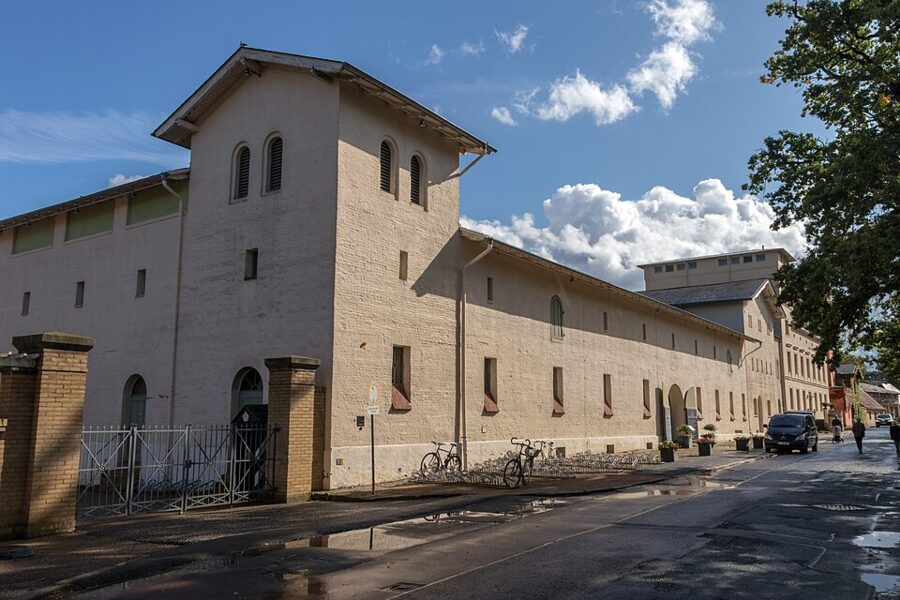

In 2026 it opened on December 5–6 and 12–13, 12:00–20:30 each day. It pairs well with a morning at Sanssouci Palace.
The Polish Star Market
On the second weekend of Advent, the courtyard of the old royal coach stables on Neuer Markt fills with Polish Christmas. The Star Market (Sternenmarkt) brings Polish artists and makers with handmade gifts, sweet and savory Polish food, and a German-Polish meeting place in the vaulted hall; the Star Festival around it adds dance, theater, concerts and a children’s program. The stables are now the Brandenburg Museum for the Future, Present and History, and the entry ticket covers the whole house.
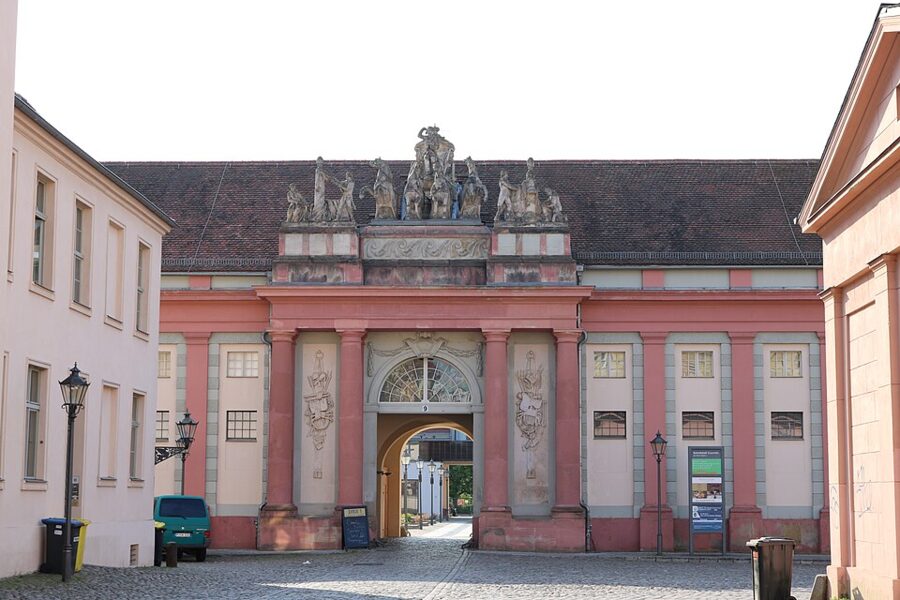

In 2026 the Star Market ran for the 21st time, on December 4 (16:00–20:00), 5 (11:00–20:00) and 6 (11:00–19:00). Entry was €3.50 for adults and free for under-14s.
Chocolate and brass on the Alter Markt
Two minutes away, the Alter Markt holds the Potsdam Chocolate Market (Potsdamer Schokoladenmarkt) in the first weeks of December. It is a market given over to cocoa and the craft of working it, and the choice of square has a reason: nearby, Johann Friedrich Miethe made one of the first steam-powered chocolates in Germany between 1830 and 1860. In 2026 the Chocolate Market opened daily from December 4 to 20, 12:00–20:00.
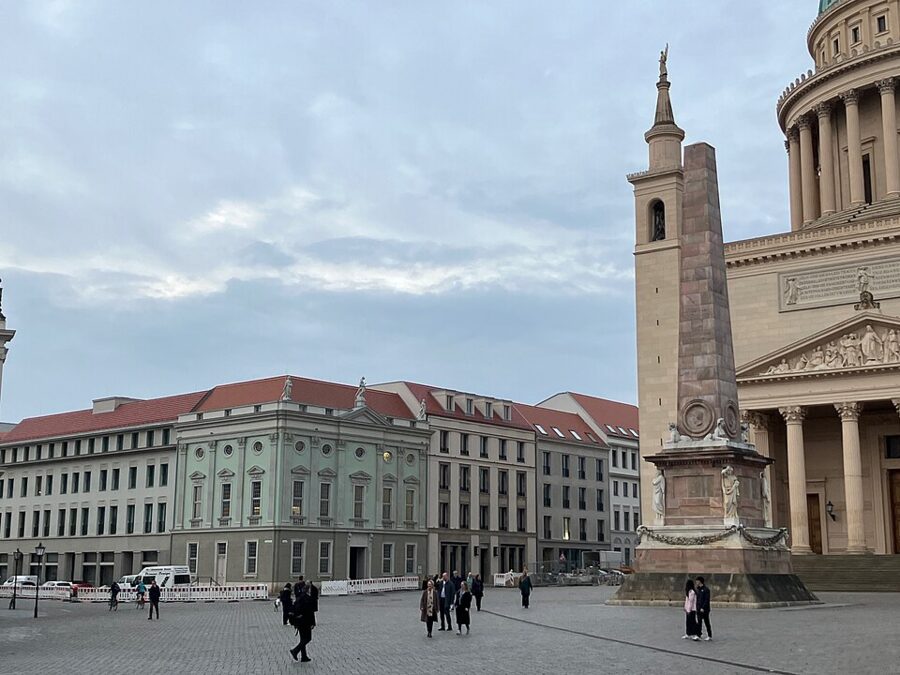
On the four Sundays of Advent, the Potsdam Tower Brass (Potsdamer Turmbläser), a quartet founded in 1978 by five young players from the Brandenburg Philharmonic, plays baroque fanfares and carols from a balcony above the square. In 2026 the Advent tower music played from Humboldtstraße 4 at 17:00 on November 29 and December 13 and at 16:00 on December 20, and from the Knobelsdorff House in front of the Potsdam Museum on December 6. Hot chocolate in hand, under a trumpet on a balcony: it is the most old-fashioned half hour in town.
Courtyards, an island and a royal vineyard
The smallest markets are the most local. In 2026 the list included the following, and most of them return each year in a similar slot.
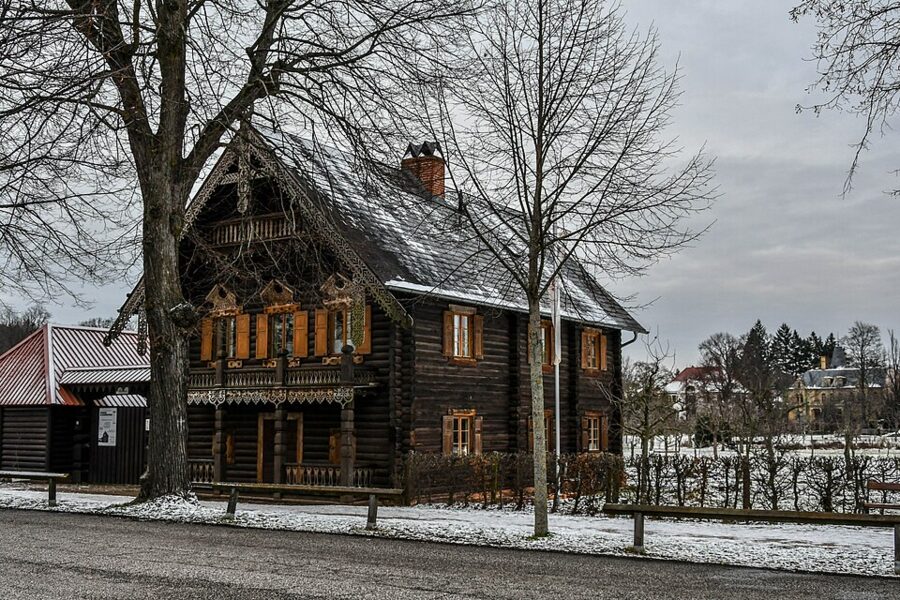
- A courtyard Christmas market (Hofweihnachtsmarkt) inside house 6 of the Russian colony of Alexandrowka on the first Advent weekend, 12:00–18:00, with homemade jams and chutneys, winemaker’s Glühwein, hot apple juice and bread with wild garlic butter.
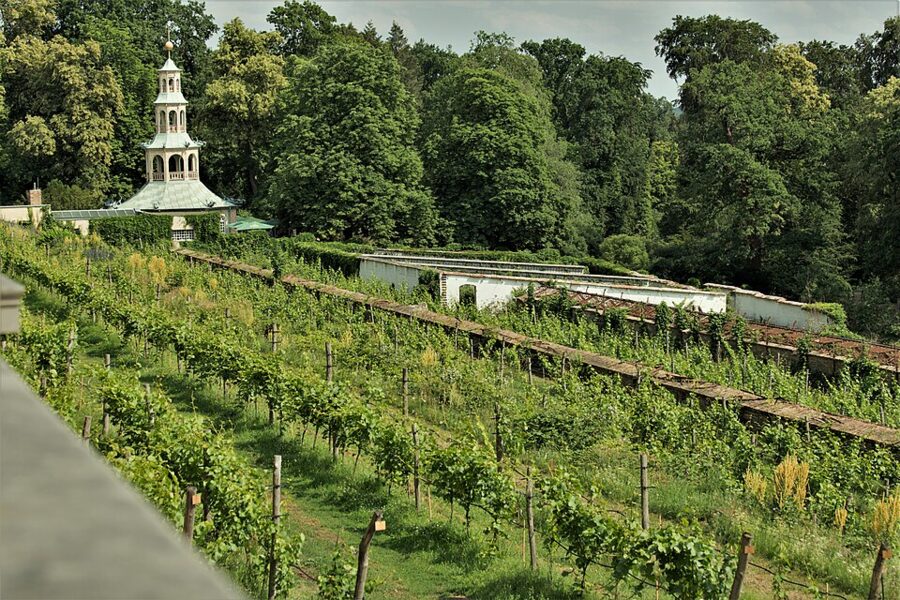
- The Potsdam WEINnacht on the Royal Vineyard (Königlicher Weinberg) on Maulbeerallee near the New Palace, run with the Prussian Palaces and Gardens Foundation (SPSG): gifts from social enterprises, food and Glühwein among the lit vines. In 2026 it was a single Saturday, November 28, 13:00–20:00.
- The Christmas market at the Kutscherhof, a restaurant courtyard at Allee nach Sanssouci 1, on Fridays and Saturdays through Advent, 13:00–22:00, with campfires and regional food.
- The Advent market on Hermannswerder, the island in the Havel, on the second Sunday of Advent: a service in the candlelit island church at 14:00, singing round the fire at 16:00 and the school choirs at 17:30, with stalls from the Hoffbauer Foundation’s homes and schools. Entry is free, with a donation asked.
- A sustainable Advent market in the courtyard of the Great Orphanage (Großes Waisenhaus) and the Haus der Natur on Lindenstraße, on December 5, 2026, 15:00–20:00, where the food ran from water-buffalo bratwurst to vegan speculoos waffles and a brass concert filled the orphanage’s baroque staircase.


Over the town line: Werder and Caputh
Two lakeside towns just outside Potsdam hold their own markets, and both are a short train or bus ride away. Werder (Havel) fills the market square on its island old town on the first Advent weekend, and Caputh holds its Advent market on the Gemünde, where the ferry crosses, on the second. The regional events calendar listed Werder for November 27–29, 2026 and Caputh for December 5–6, 2026 from 15:00.
What to eat and drink
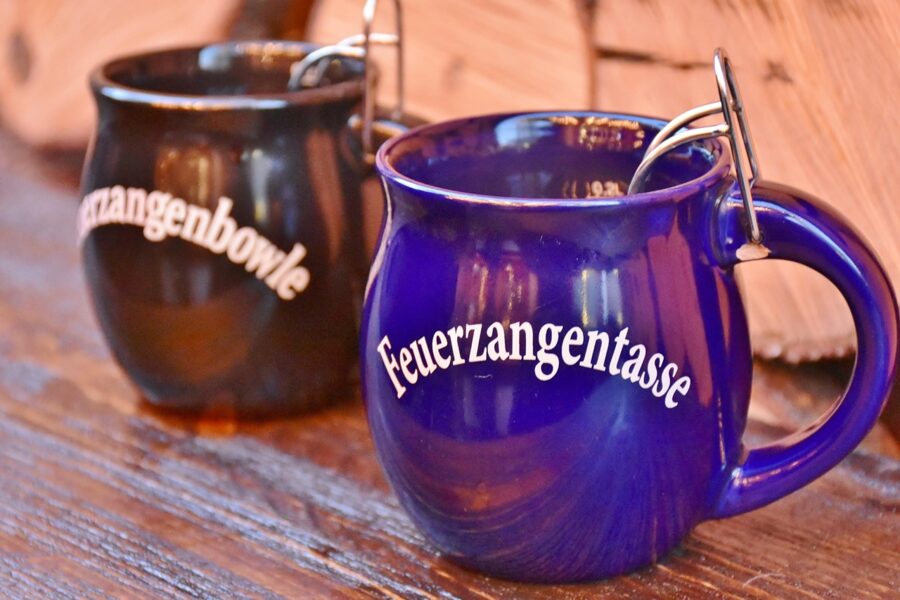
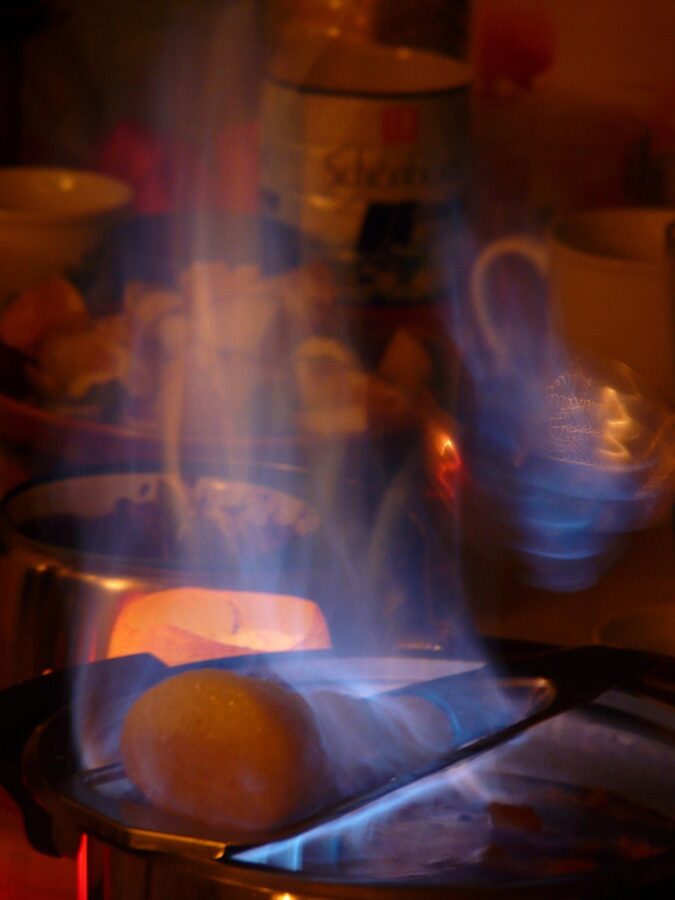
Glühwein is the constant, and on every square you will find it in at least three strengths of seriousness. The cheapest is mass-produced and heavily sweetened. Look for Winzerglühwein, winemaker’s mulled wine, made from a fuller wine by a named producer; the stalls that sell it say so on the board. Feuerzangenbowle, mulled wine with a rum-soaked sugarloaf set alight over the pot, is on the main market’s own list of drinks, and Kinderpunsch, the alcohol-free punch, is everywhere.
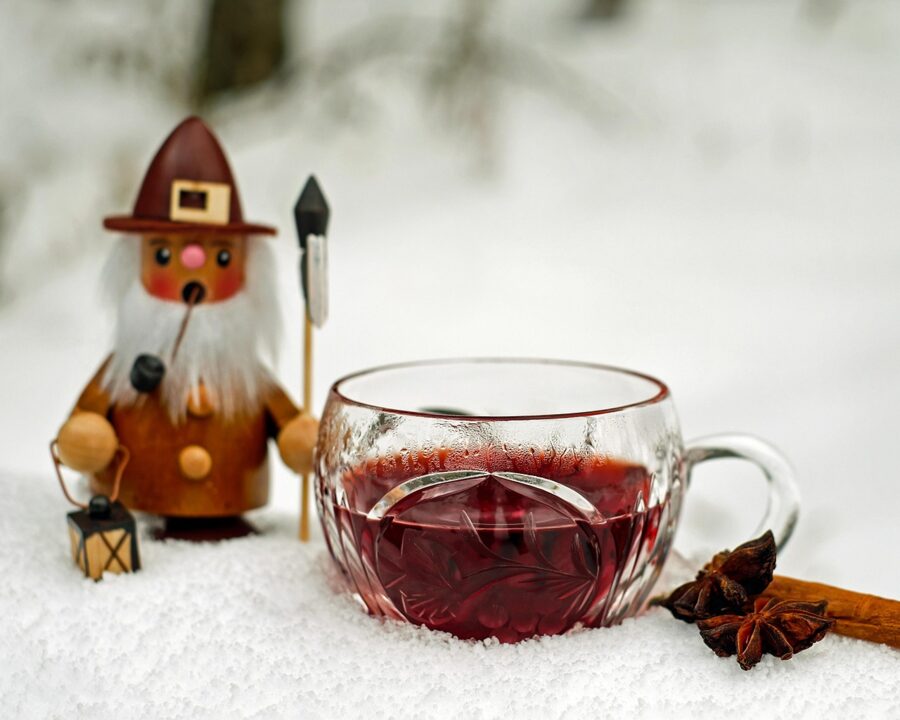
The mug comes with a deposit, the Pfand. You pay it on top of the drink and get it back when you return the mug to any stall of the same operator. Many mugs carry the market’s name and the year, and keeping one is the cheapest souvenir in Potsdam. Check the stall’s board for the deposit before you order, because it varies between markets.
For something from the region, look for Brandenburg wine. It has a poor reputation to live down: in 1598 students at Frankfurt an der Oder joked that the wine of the Mark went down the throat like a saw. Today Werder is counted as the northernmost wine region in Europe producing quality-graded wine, and Potsdam’s own Royal Vineyard on the Klausberg, laid out for Frederick the Great in 1769, still carries vines. Werder’s other drink is fruit wine: the Lendelhaus on its market square made fruit wine, juice and jam from 1916.

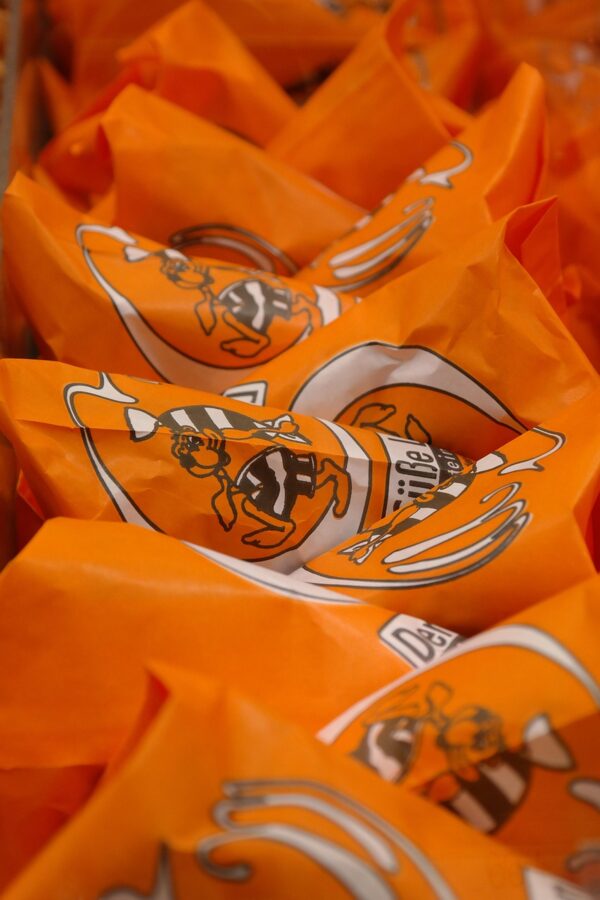
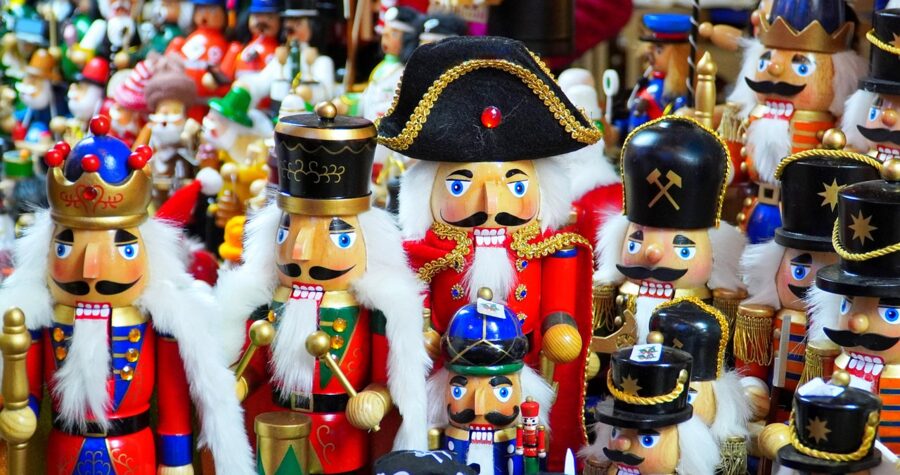
The food follows the quarters. At the main market the organizers list raclette, soup served in a bread bowl and street food from around the world, along with the classics of any German market: grilled sausage, potato pancakes, sugar-roasted almonds by the paper cone. At Sinterklaas it is kniepertjes from the fire and genever; on the Weberplatz, Bohemian food; at the Star Market, Polish dishes, sweet and savory. The hut on Bassinplatz is named for the Ore Mountains, whose carved nutcrackers and incense smokers are what most Germans picture when they think of a Christmas market.
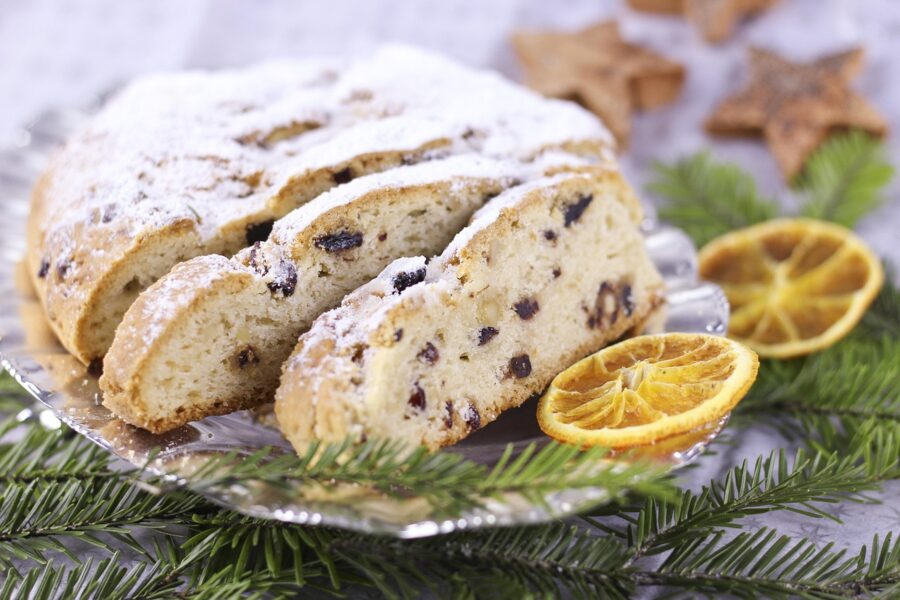
Stollen, the fruit loaf dusted with icing sugar, is the cake of the season; buy it by the slice at a bakery stall rather than whole. For a sit-down dinner after the market, the old town and the Dutch Quarter have most of the warm rooms, and my guide to Potsdam restaurants picks them out. Book ahead for a Saturday in Advent.
An Advent day in Potsdam
A December day here has to work around two clocks. The palaces close earlier in winter, and the light goes before 16:30, which is exactly when the markets come into their own. So the plan is palaces in the morning, a church and a walk in the fading afternoon, and the market after dark.
Morning: one palace, inside
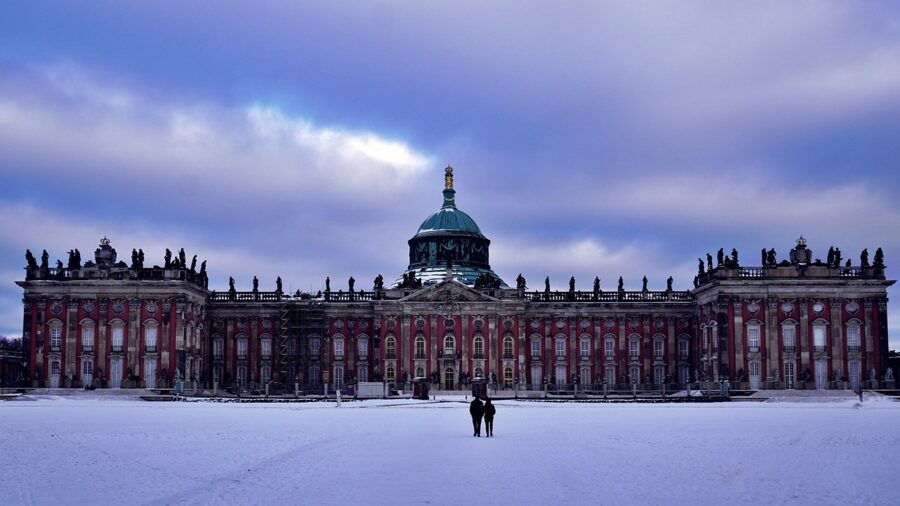
In the winter season (November to March) Sanssouci Palace opens Tuesday to Sunday 10:00–16:30 and is closed on Mondays. The New Palace changes its closing day in the last two months of the year, opening on Mondays and closing on Tuesdays instead. Both are closed on December 24 and 25, open on December 26, and close at 14:30 on December 31, as the foundation’s opening hours and holiday exceptions set out. The summer houses in the park are shut until spring, and Cecilienhof and the Orangery Palace are closed for restoration until further notice.
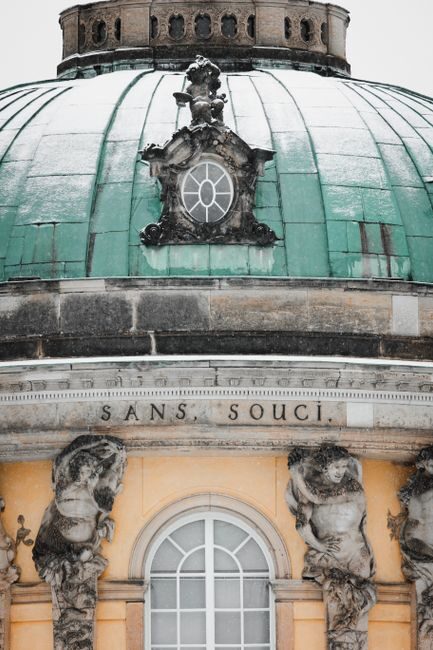
Book the time slot. The Sanssouci+ day ticket is the only foundation ticket you can buy online, at €22 (reduced €17) in 2026 and €24 (reduced €20) in 2027; single palace tickets are sold only on the day at the desks. My guide to Sanssouci tickets works through which one to buy for a winter visit. A slot at 10:00 gets you the terraces in clean morning light before the park fills.
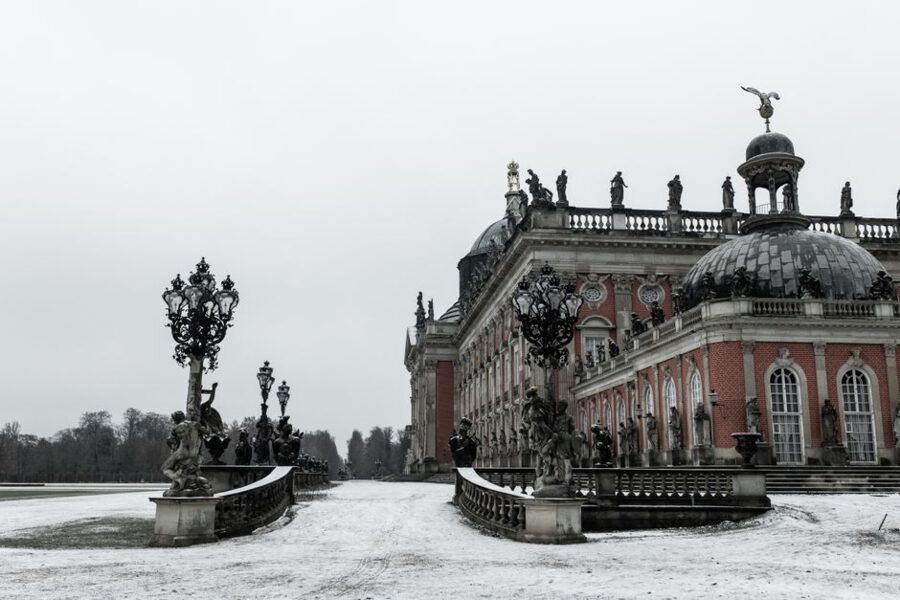
The New Palace has the season’s best tour. For Imperial Christmas (Kaiserliche Weihnachten), a guide takes you through the rooms as Wilhelm II’s family used them in Advent: where the tree stood, what was served on Christmas Eve and what the children were given. From 1889 to 1917 the family celebrated Christmas Eve in the Grotto Hall, its walls set with shells and crystals that flashed in the candlelight, and Princess Victoria Louise called those evenings the high point of family life. In 2026 the tour cost €16 (reduced €14), or €21 with punch and Glühwein at the end; it is in German, and almost every weekend slot sold out by late November, while weekday ones stayed open longer.
Afternoon: the church and the walk
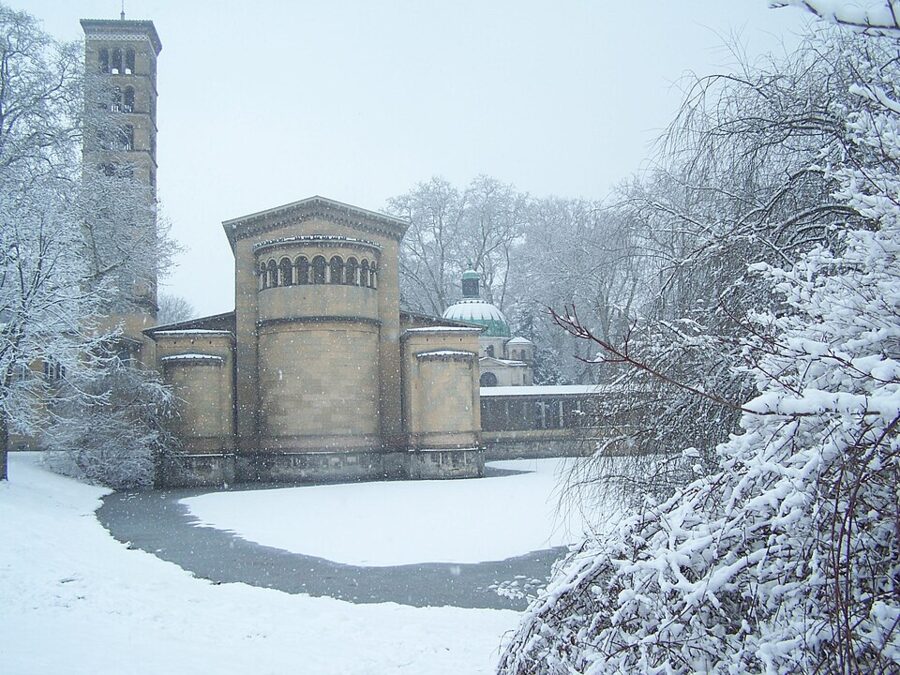
Leave the park by the east end. On weekdays in Advent, the Friedenskirche, Frederick William IV’s basilica by the Grünes Gitter gate, holds Advent carol singing from 17:00 to 17:30; in 2026 it ran Monday to Friday from November 30 to December 23, free of charge. It is twenty minutes of hymns in a cold church as the light goes, and it sets the evening up better than any Glühwein.

From the Grünes Gitter, the Allee nach Sanssouci leads straight to Luisenplatz, and the market begins at the end of it. If you have time to spare before dark, the museums in Potsdam are the warm alternative to the park; the Museum Barberini on the Alter Markt is closed on Tuesdays, so plan around that if your day falls on one.
Evening: the market, then dinner
Walk the main market west to east as described above, from the gate to Bassinplatz, then turn north into the Dutch Quarter if it is the Sinterklaas weekend, or have dinner there if it is not. On the second weekend, add the Star Market and the Chocolate Market, which are close together south of the old town. On the first two weekends, the Bohemian market is one S-Bahn stop away and open until 22:00 on Friday and Saturday.
On a weekday the plan works best on a Wednesday, Thursday or Friday, the days when Sanssouci and the New Palace are both open in November and December. Families can swap the palace for the indoor ice rink at the Filmpark Babelsberg: in 2026 the Filmpark’s ice rink in the Metropolis hall opened from December 6 to February 6, with two-hour slots at €10 for adults and €7 for children. The rest of the year’s sights are in my list of things to do in Potsdam.
End where you started. At 21:00 on a weekday the stalls on Luisenplatz pull down their shutters, the music has long stopped, and the Brandenburg Gate is still lit from both sides with the big tree behind it. From the Luisenplatz/Süd stop, tram 91 runs back to the main station, and the last S7 trains to Berlin leave well after the market closes.